
Transit Tetany In Ruminants: Signs, Treatment, Prevention
Understanding the deadly impact of transport stress on cows, sheep, and lambs, with prevention and treatment strategies for livestock health.
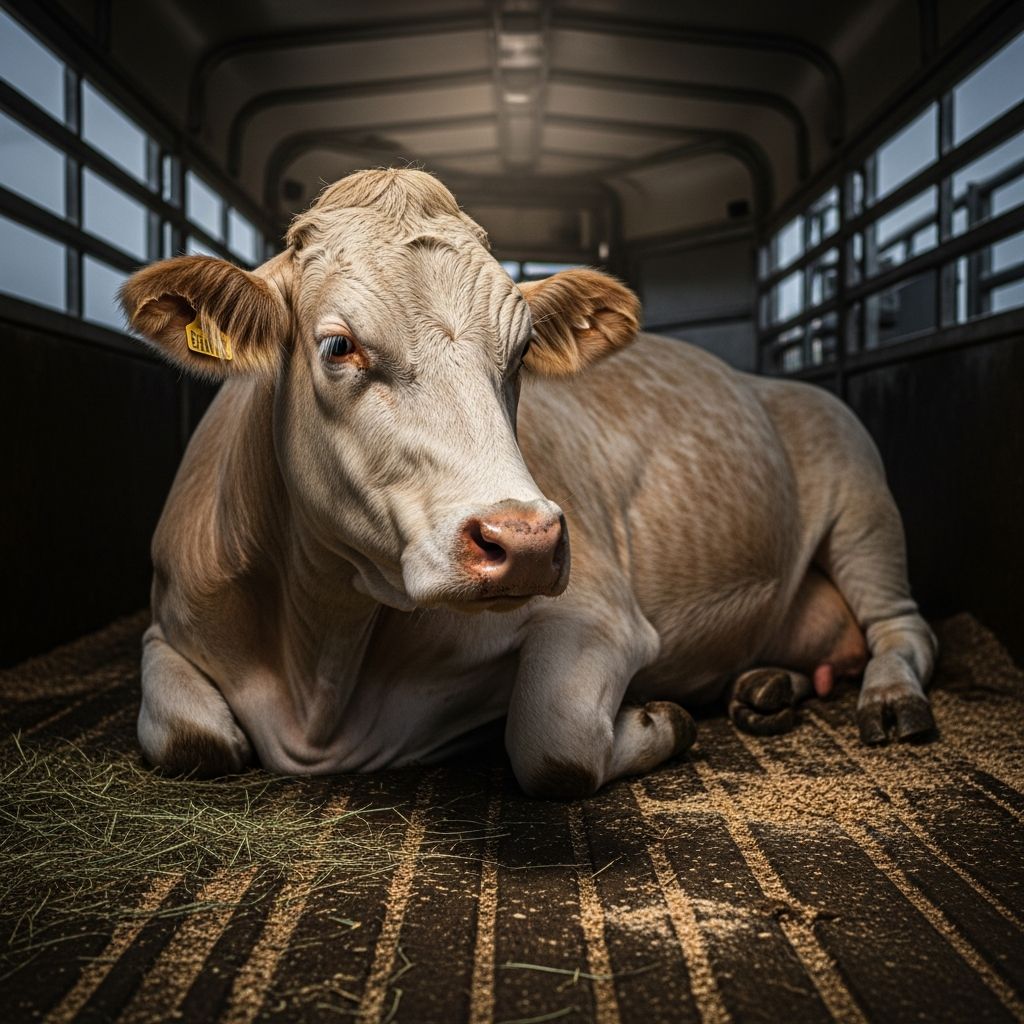
Transit tetany represents a severe metabolic condition primarily impacting ruminants such as cattle, sheep, and lambs, triggered by the physiological strain of extended transportation. This syndrome manifests as sudden muscle rigidity, neurological disturbances, and collapse, often culminating in fatalities if not addressed swiftly. Unlike isolated nutritional deficiencies, it arises from a confluence of stress-induced electrolyte imbalances, notably reductions in blood calcium and magnesium concentrations.
The Physiological Underpinnings of Transit Tetany
At its core, transit tetany disrupts the delicate balance of minerals essential for neuromuscular function. In ruminants, calcium (Ca) and magnesium (Mg) play pivotal roles in muscle contraction, nerve impulse transmission, and overall metabolic stability. During prolonged transport, animals endure fasting, dehydration, physical jostling, and environmental extremes like heat and poor ventilation, which accelerate mineral mobilization demands.
The rumen, the primary fermentation chamber in ruminants, becomes compromised under stress. Normally, it facilitates mineral absorption, but acidosis from grain-heavy pre-transport diets or alkalosis from lush pasture grazing impairs magnesium solubility. High rumen pH reduces Mg availability, as it precipitates out of solution, while cortisol surges from stress further suppress absorption. Concurrently, late-pregnancy cows and ewes face heightened Ca demands for fetal development, exacerbating hypocalcemia.
Biochemical analyses in affected animals often reveal serum Ca below 8 mg/dL and Mg under 1.5 mg/dL, though some cases show normal profiles, suggesting multifactorial etiology including exhaustion and acidosis. This hyperexcitability stems from low cerebrospinal fluid magnesium, triggering convulsions independent of blood levels.
Animals Most Vulnerable to This Syndrome
- Late-gestation cows and ewes: Fetal mineral uptake strains maternal reserves, making them prime candidates during market shipments.
- Lactating females: Milk production intensifies Ca loss, compounding transport risks.
- Lambs and young stock: Feedlot-bound lambs suffer partial paralysis after short hauls, linked to rapid growth and stress.
- Obese or aged animals: Fat reserves hinder mobility, and comorbidities amplify electrolyte shifts.
- Bulls, steers, and slaughter-bound sheep: High muscle mass increases metabolic demands under duress.
Species variations exist: cattle display prolonged progression to coma (3-4 days), while sheep and lambs decline faster, often within 48 hours.
Recognizing Early Warning Signs
Clinical progression unfolds rapidly post-transport, from subtle behavioral cues to life-threatening collapse. Initial indicators include hypervigilance and aimless pacing, reflecting autonomic nervous system overload.
| Stage | Symptoms in Cattle | Symptoms in Sheep/Lambs |
|---|---|---|
| Early | Restlessness, teeth grinding, trismus (jaw locking) | Staggering, hindlimb knuckling |
| Moderate | Stiff gait, hindleg paddling, frothing | Partial paralysis, lateral recumbency |
| Advanced | Rumen stasis, tachycardia, labored breathing, coma | Diaphragmatic flutter, rapid death |
Systemic effects compound: rumen hypomotility halts digestion, inducing anorexia and bloat. Respiratory distress with nostril flaring and ‘thumps’ (diaphragmatic spasm) signals acid-base derangements. Abortions occur in 10-20% of pregnant cases. Lambs uniquely show wide-eyed frenzy before paralysis.
Diagnostic Approaches and Challenges
Diagnosis hinges on history: recent long-haul transport (>24 hours without feed/water), crowded conditions, or forced marches, followed by tetanic signs. Serum biochemistry confirms hypocalcemia/hypomagnesemia, but negatives don’t exclude, as transient drops normalize quickly.
Differentials include:
- Grass tetany: Similar convulsions but pasture-linked, lower Mg threshold (1.1 mg/dL).
- Polioencephalomalacia: Blindness, head pressing from thiamine lack.
- Lead poisoning: GI signs, anemia.
- Exhaustion heatstroke: Hyperthermia without mineral deficits.
Necropsy yields nonspecific findings like ischemic myopathy from recumbency, underscoring antemortem diagnosis.
Emergency Treatment Protocols
Swift intervention boosts survival from <20% to 60-80% in mild cases. Core therapy restores electrolytes:
- Calcium/magnesium infusions: Slow IV calcium borogluconate (20-50 mL/100 kg) with magnesium sulfate; monitor heart to avert arrest.
- Fluid therapy: Lactated Ringer’s (20-50 L) combats dehydration/acidosis.
- Supportive care: Prop recumbent animals sternally to prevent aspiration; provide alfalfa hay (high Ca/Mg, low K), fresh water, soft bedding.
- Sedatives: Acepromazine for hyperactive cases, avoiding slaughter-bound animals.
Lambs respond to 50 mL SC magnesium daily, though muscle damage limits efficacy. Prognosis improves with early detection; chronic recumbency dooms via necrosis.
Proactive Prevention Strategies
Management trumps cure, as fatalities average 30-50% in outbreaks. Key measures:
- Pre-transport prep: Limit grain/pellets 48 hours prior; offer high-roughage like hay. Acclimate to trailers.
- During transit: Ensure ventilation, space (10-12 m²/cow), water/feed stops every 12 hours. Avoid peak heat.
- Post-arrival: Restrict water first 24 hours, minimal exercise 48 hours; supplement Ca/Mg salts in feed.
- Herd selection: Cull nervous, obese individuals; vaccinate/deworm pre-haul.
Supplements like dolomite (Ca/Mg mix) in mineral mixes prevent recurrence in feedlots.
Case Studies Illuminating Real-World Impacts
In a South Australian flock, 200 lambs crutched after lush pasture grazing developed tetany despite hay provision, resolving with Ca/Mg and thiamine—highlighting dual deficiencies. U.S. beef operations report surges post-long hauls, mitigated by curfew avoidance. These underscore integrated nutrition-transport planning.
FAQs on Transit Tetany
What triggers transit tetany most commonly?
Prolonged fasting, crowding, heat, and exercise in late-pregnant or fat ruminants.
Can it be treated successfully at home?
Only mildly; severe cases demand vet-guided IV therapy to prevent cardiac risks.
How does it differ from grass tetany?
Transport-induced vs. pasture-related; both hypomagnesemic but distinct triggers.
Is prevention cost-effective?
Yes—feed adjustments and handling protocols slash losses by 70%.
Does it affect non-ruminants?
Rarely horses, but ruminants predominate.
Future Directions in Research and Management
Ongoing studies explore biomarkers for at-risk animals and rumen-modifying probiotics to enhance mineral uptake. Genomic selection for stress-resilient breeds promises long-term gains. Meanwhile, regulatory pushes for humane transport standards (e.g., EU directives) could curb incidence globally.
References
- Transport Tetany in Ruminants — Merck Veterinary Manual. 2023. https://www.merckvetmanual.com/metabolic-disorders/transport-tetany-in-ruminants/transport-tetany-in-ruminants
- Transport tetany — Wikipedia. 2023. https://en.wikipedia.org/wiki/Transport_tetany
- Transit recumbency of ruminants — University of Mosul. 2019-12-01. https://uomosul.edu.iq/public/files/datafolder_2901/_20191201_065951_330.pdf
- Transit tetany — Veterinary Handbook. 2023. https://www.veterinaryhandbook.com.au/Diseases.aspx?diseasenameid=267
- Forage-Related Disorders in Cattle: Hypomagnesemic Tetany — The Beef Site. 2023. https://www.thebeefsite.com/articles/3784/forage-related-disorders-in-cattle-hypomagnesemic-tetany-or-grass-tetany
- Transit tetany — Flock and Herd. 2023. http://www.flockandherd.net.au/sheep/ereader/transit-tetany.html
- Grass Tetany Prevention and Treatment — University of Tennessee Extension. 2020-11. https://utbeef.tennessee.edu/wp-content/uploads/sites/127/2020/11/W789.pdf
Similar Articles








Read full bio of Sneha Tete


