
Transforming Reactive Dogs
Discover proven strategies to help your reactive dog overcome triggers and build confidence for a calmer life together.
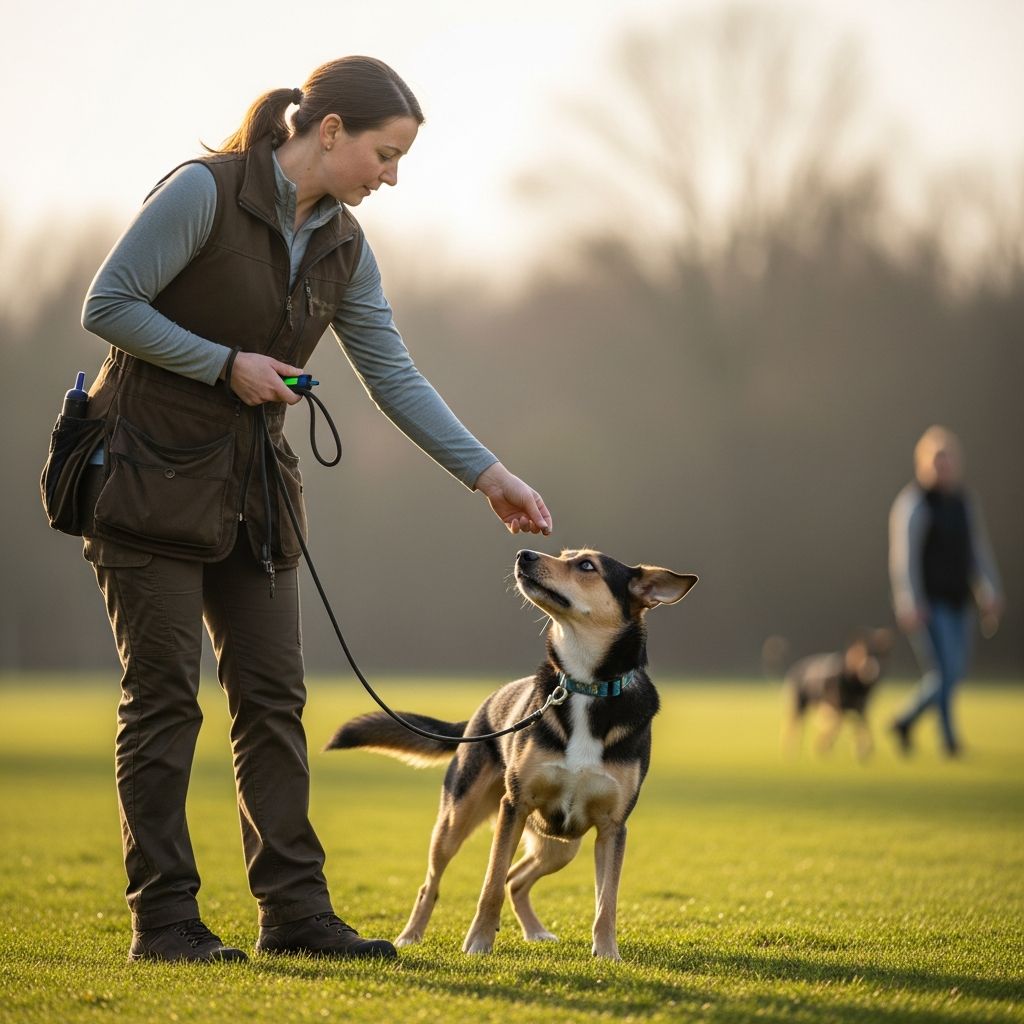
Reactive dogs often respond with intense barking, lunging, or growling to everyday stimuli like strangers, other dogs, or loud noises. These reactions stem from underlying fear, anxiety, or past experiences rather than true aggression. Behavior modification offers a humane, effective path to change these responses by addressing the root emotions and building new associations.
Understanding Reactivity in Canines
Reactivity is an overreaction to triggers that a dog finds overwhelming. Unlike deliberate aggression, it’s typically a defensive response where the dog feels threatened and unable to escape. Common triggers include leashes restricting movement, unfamiliar people approaching too quickly, or dogs passing nearby on walks. Identifying these patterns is the first step toward improvement.
Dogs may stiffen, stare intently, or vocalize excessively when below their threshold—the point where they lose control. Owners often misinterpret this as dominance, but veterinary behaviorists emphasize it’s fear-based. Early intervention prevents escalation, as repeated reactions reinforce the behavior through adrenaline-fueled learning.
Initial Assessment and Safety Measures
Begin with a thorough evaluation of your dog’s history, triggers, and body language. Note distance from stimuli where reactions start, intensity levels, and recovery time. Professional trainers conduct in-home observations to map these precisely.
Safety is paramount. Use management strategies like muzzle training for outings, avoiding high-risk areas, and creating a calm home sanctuary. This ‘behavior vacation’ halts rehearsals of unwanted responses, allowing the nervous system to reset. Medications may be prescribed by vets for severe cases to lower anxiety during training.
- Muzzle habituation: Pair with treats over days for positive association.
- Leash adjustments: Switch to front-clip harnesses to reduce pulling tension.
- Trigger avoidance: Alter walk routes or times to minimize encounters.
Core Techniques for Behavior Change
Modern protocols rely on positive reinforcement, avoiding punishment which can heighten fear. Key methods include desensitization, counter-conditioning, and shaping.
Desensitization: Building Tolerance Gradually
Expose the dog to triggers at sub-threshold levels, increasing intensity slowly as calm persists. For doorbell reactivity, start with faint recordings paired with relaxation.
| Trigger Level | Exposure Method | Goal Response |
|---|---|---|
| Low (safe distance/sound) | Observe without reaction | Relaxed ears, soft gaze |
| Medium | Closer proximity | Check-in with owner |
| High | Real-life encounter | Ignore or sit calmly |
Progress only when the dog remains under threshold, preventing sensitization.
Counter-Conditioning: Rewiring Emotions
Pair triggers with high-value rewards to shift feelings from negative to positive. When spotting a trigger afar, feed treats before any reaction, creating ‘trigger = good things’ link.
For leash reactivity, mark calm glances at approaching dogs with a clicker and reward. This works best below threshold, turning potential stress into anticipation.
Shaping and Response Substitution
Shape desired behaviors through successive approximations. Reward slight head turns toward you during triggers, building to full focus. Substitute jumping with ‘sit’ or ‘down’ in low-distraction settings first.
Building a Foundation of Obedience
A solid skill set enhances management. Teach ‘look at me,’ ‘leave it,’ and ‘place’ using positive reinforcement. These interrupt building arousal and redirect focus.
- Eye contact: Reward voluntary checks-ins frequently.
- Relaxation protocol: Pair cues with settling on mats.
- Emergency U-turns: Practice pivoting away from stimuli.
Consistency across family members prevents confusion. Track progress in a journal noting session details and outcomes.
Advanced Protocols and Real-World Application
Once basics solidify, integrate techniques during controlled exposures. Use long lines in safe fields for dog-dog practice, rewarding parallel walking.
Owner involvement is crucial—coaching builds confidence in handling real scenarios. Sessions last 5-15 minutes to avoid fatigue, occurring daily for momentum.
Challenges like plateaus require tweaking rewards or distances. If regressions occur, revert to easier levels without punishment.
Tools and Equipment Recommendations
Select gear promoting control without discomfort:
- Clickers: Precise behavior marking.
- High-value treats: Chicken, cheese for motivation.
- Head halters: Gentle steering for walks.
- Calming aids: Thunder shirts or pheromone diffusers as adjuncts.
Avoid aversives like shock collars, which worsen anxiety per AAHA guidelines.
Monitoring Progress and Long-Term Success
Expect gradual improvement over weeks to months. Metrics include reduced intensity, quicker recovery, and proactive calm. Video sessions for objective review.
Maintenance involves ongoing reinforcement and lifestyle enrichments like puzzle toys reducing baseline stress. Annual vet behavior checks ensure sustainability.
Common Pitfalls to Avoid
Rushing exposures risks setbacks. Inconsistent rewards undermine conditioning. Emotional owner reactions can cue the dog—practice calm leadership.
Failing to address medical issues first (e.g., pain) sabotages efforts; consult vets.
FAQs
How long does behavior modification take?
Typically 4-12 weeks for noticeable change, varying by case severity and consistency.
Can all reactive dogs be fixed?
Most improve significantly; rare extremes may need lifelong management.
Is professional help necessary?
DIY works for mild cases, but certified trainers (CPDT, IAABC) excel for complex reactivity.
What if my dog regresses?
Return to proven levels, reassess triggers, and consider vet behaviorist.
Partnering with Professionals
Seek force-free certified experts via APDT or IAABC directories. Veterinary behaviorists (DACVB) handle medication integration. Group classes provide socialization practice post-basics.
Success stories abound: fearful barkers become neutral passersby through patience and science.
References
- Behavior Modification Dog Training Tips — K-9 Specialist. 2023. https://k-9specialist.com/dog-behavior-modification-tips/
- Dog Behavior Modification Techniques — Insight K9 Solutions. 2024. https://insightk9solutions.com/dog-behavior-modification/
- What Is Behavior Modification for Dogs — Chewy Education. 2023. https://www.chewy.com/education/dog/training-and-behavior/what-is-behavior-modification
- Effective Behavior Modification Techniques — Proven Dog Training. 2024. https://www.provendogtraining.com/effective-behavior-modification-techniques-for-dogs/
- Behavior Modification Training — Canine Cohen. 2023. https://caninecohen.com/behavior
- Behavior Modification in Dogs — Merck Veterinary Manual. 2025-02-15. https://www.merckvetmanual.com/dog-owners/behavior-of-dogs/behavior-modification-in-dogs
- Behavior Modification for Dogs — CattleDog Publishing. 2024. https://cattledogpublishing.com/blog/behavior-modification-for-dogs/
- Changing Behaviors in Dogs and Cats — AAHA Guidelines. 2015-10-01. https://www.aaha.org/resources/2015-aaha-canine-and-feline-behavior-management-guidelines/changing-behaviors/
- Dog Aggression Management — VCA Animal Hospitals. 2024. https://vcahospitals.com/know-your-pet/dog-behavior-problems—aggression—getting-started—safety-and-management
Similar Articles








Read full bio of medha deb




