

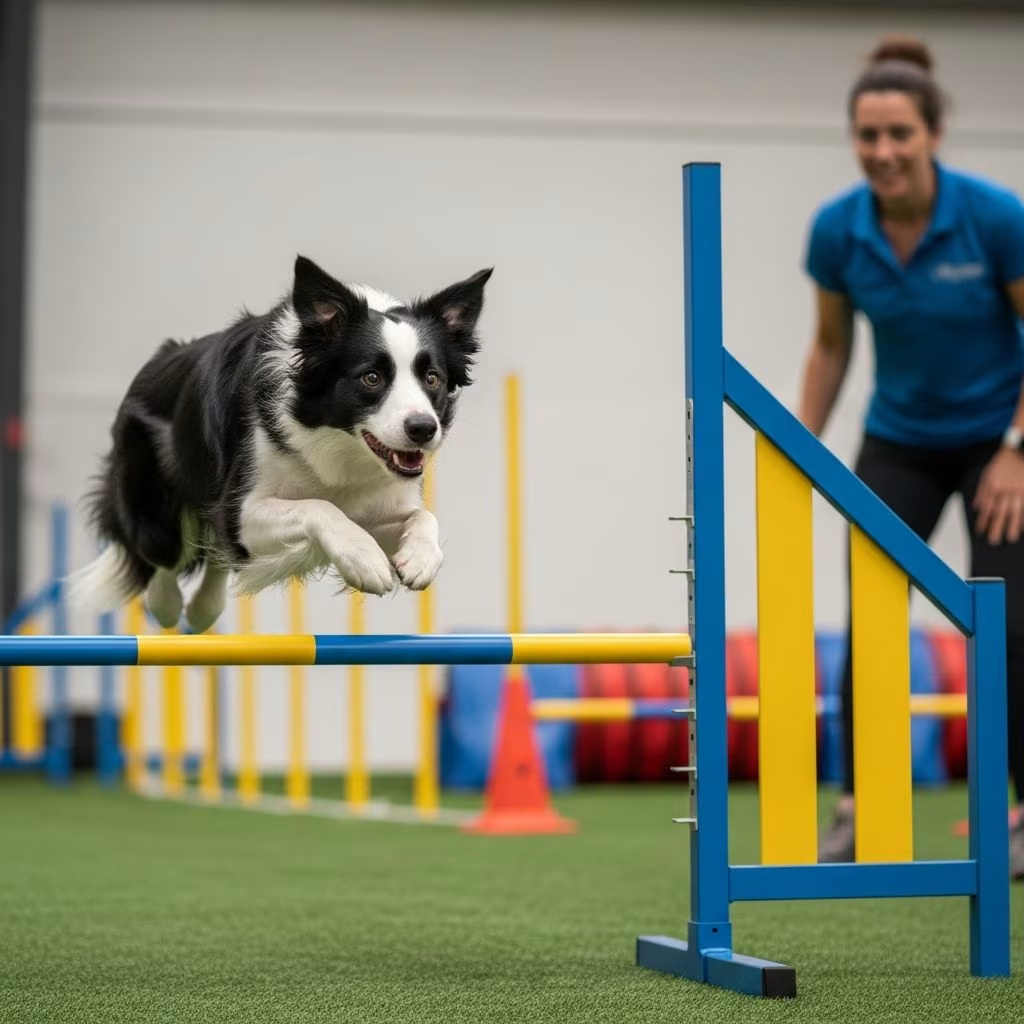
Dog training often encounters roadblocks that test an owner’s patience, but with targeted approaches, these can become stepping stones to success. This guide delves into recognizing and resolving frequent issues, emphasizing positive reinforcement and structured methods to foster reliable behaviors.
Understanding the Roots of Training Difficulties
Many training setbacks arise from unmet needs or environmental factors rather than inherent stubbornness. Dogs may display unwanted actions due to anxiety, insufficient motivation, or unclear communication from handlers. Identifying triggers—such as specific situations or stimuli—allows for precise interventions that address the core problem instead of surface symptoms.
For instance, a dog ignoring commands might not comprehend expectations or find rewards unappealing. Observing patterns in behavior helps pinpoint whether boredom, fear, or overstimulation is at play, enabling customized solutions that promote long-term improvement.
Building Focus Amid Distractions
One of the most prevalent challenges is a dog’s wandering attention, particularly in stimulating settings. Starting sessions in low-distraction zones, like a quiet room, and progressively introducing mild interruptions builds concentration skills gradually.
- Employ high-value rewards, such as smelly meats or favorite toys, to outcompete external temptations.
- Maintain brief, engaging sessions of 5-10 minutes to sustain interest without fatigue.
- Incorporate structured environments, like controlled play areas, for real-world practice.
Gradual desensitization pairs distractions with positive outcomes, transforming neutral stimuli into non-disruptive elements over time.
Tackling Stubbornness and Motivation Gaps
Perceived stubbornness frequently stems from inadequate incentives rather than defiance. Tailor motivators to the dog’s preferences—food for eager eaters, play for high-energy types, or affection for social breeds.
| Behavior Issue | Motivator Type | Example Rewards |
|---|---|---|
| Lack of Response | Food-Based | Liver treats, cheese bits |
| Low Enthusiasm | Play-Based | Tug toy, fetch ball |
| Seeking Attention | Affection-Based | Petting, verbal praise |
Consistency in delivery reinforces understanding, while varying rewards prevents boredom and maintains engagement. Shorten sessions if frustration appears, returning to basics to rebuild momentum.
Addressing Leash Pulling and Reactivity
Leash pulling often results from excitement or poor impulse control. Halt forward movement immediately upon tension, resuming only with slack, rewarding calm positioning beside the handler.
- Use a front-clip harness to discourage pulling mechanically.
- Practice in low-traffic areas, advancing to busier spots as proficiency grows.
- For reactivity, maintain distance from triggers, pairing sightings with treats to create positive associations.
This method instills polite walking habits, enhancing safety during outings and reducing stress for both dog and owner.
Managing Jumping and Over-Excitement
Dogs jump to seek attention, but rewarding only grounded paws teaches alternative greetings. Turn away from jumps, pivoting back to offer praise or treats upon settling.
Incorporate “place” training, directing the dog to a mat or designated spot during arrivals, which channels energy productively. Social settings reinforce calm interactions, diminishing impulsive leaps over repeated practice.
Handling Regression and Backsliding
Even advanced dogs may revert under stress or inconsistency. Revert to foundational exercises, reinforcing with heightened rewards to restore confidence. Patience is key, as regressions typically resolve with steady repetition.
Track progress in a journal to identify patterns, adjusting for life changes like new routines or visitors that disrupt habits.
Essential Tools for Positive Reinforcement
Positive methods outperform punishment by building trust and eagerness. Clickers or markers signal exact correct moments, bridging action and reward precisely.
- Rotate treat varieties—stinky options like hot dogs or organ meats boost appeal.
- Time rewards within seconds for clear connections.
- Combine with verbal cues like “yes” for versatile application.
Classical conditioning pairs cues with rewards, while operant techniques shape voluntary behaviors, forming a robust training foundation.
Creating Mental Stimulation and Boundaries
Boredom fuels mischief; enrich environments with puzzles, scent games, and obedience drills to satisfy cognitive needs. Clear rules, enforced uniformly by household members, prevent confusion.
Crate training establishes a secure retreat, aiding housebreaking and alone-time adaptation when introduced positively with comforts and treats.
Strengthening the Handler-Dog Bond
Training thrives on mutual understanding. Learn body language—tail wags indicating stress versus joy—to respond appropriately, fostering trust.
Joint activities like interactive play deepen connections, making sessions enjoyable and accelerating learning through shared positivity.
FAQs: Common Dog Training Queries
What if my dog regresses after progress?
Return to simpler exercises with amplified rewards; consistency typically resolves temporary setbacks within days.
How do I choose the best treats?
Opt for aromatic, healthy options like cooked meats; vary types to sustain interest without overfeeding.
Is professional help necessary?
For persistent aggression or anxiety, yes—experts tailor plans beyond general advice.
Can puppies and seniors both benefit?
Absolutely; adapt intensity to age, focusing on short, fun sessions for all life stages.
How long until I see changes?
Basic commands may improve in weeks with daily practice; complex behaviors require months of consistency.
Advanced Strategies for Lasting Results
Habituation exposes dogs to triggers controllably, reducing reactivity through repeated positive pairings. Targeting—touching nose to hand or object—enhances control in dynamic scenarios.
Owner education on timing, leash management, and leadership ensures home reinforcement, amplifying professional gains.
Monitor health factors, as pain or diet issues mimic behavioral problems; vet consultations rule out medical causes.
References
- Overcoming Common Obstacles in Dog Training – A Peaceful Pack — A Peaceful Pack. 2023. https://www.apeacefulpack.com/post/troubleshooting-training-challenges-overcoming-common-obstacles-in-dog-training
- Effective Dog Problem Solving Training Solutions – K-9 Specialist — K-9 Specialist. 2024. https://k-9specialist.com/dog-problem-solving-training-solutions/
- Expert Solutions for Dog Behavior Problems | The Dog Wizard — The Dog Wizard. 2024. https://thedogwizard.com/problems/
- When Good Training Goes Badly: Troubleshooting Your Training — Clicker Training. 2023. https://clickertraining.com/when-good-training-goes-badly-troubleshooting-your-training/
- Real-World Solutions to Dog Training Challenges – Inquisitive Canine — Inquisitive Canine. 2023. https://inquisitivecanine.com/real-world-solutions-to-dog-training-challenges/



