

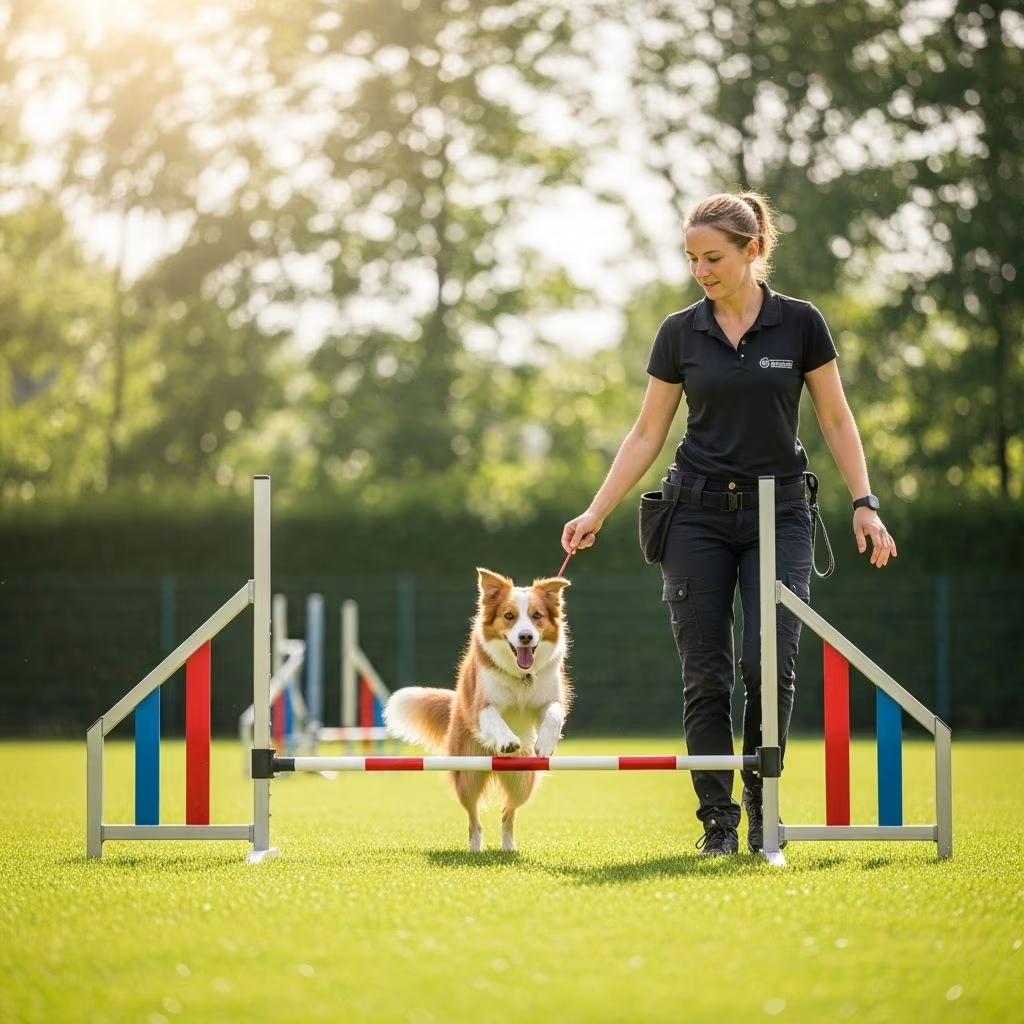
Dog training often encounters roadblocks that test an owner’s patience, but with targeted strategies, these can become stepping stones to a harmonious relationship. This guide delves into recognizing obstacles, applying science-backed methods, and fostering long-term success through positive approaches.
Understanding the Roots of Training Difficulties
Many training setbacks arise from overlooked factors like a dog’s environment, motivation levels, or past experiences. Identifying triggers—such as anxiety from unfamiliar settings or insufficient rewards—allows for precise interventions. Behaviors like ignoring commands or excessive excitement stem from unmet needs rather than defiance.
Observing patterns in your dog’s actions provides clues. For instance, pulling on walks might signal excitement overload, while home regressions could indicate boredom. Early detection prevents escalation, ensuring training remains enjoyable.
Building Focus Amid Distractions
Dogs frequently lose concentration in stimulating environments, a common hurdle for outdoor sessions. Begin in low-distraction zones like a quiet room, using high-value rewards such as smelly meats or toys to capture attention. Gradually introduce mild distractions, rewarding sustained focus to build resilience.
- Select treats like warmed liver or hot dogs for potent aroma, enhancing appeal.
- Shorten sessions to 5-10 minutes to maintain engagement without fatigue.
- Incorporate games that mimic real-world scenarios, transitioning to parks methodically.
This progressive desensitization mirrors professional techniques, promoting calm under pressure.
Addressing Apparent Stubbornness
What appears as stubbornness often reflects misunderstanding or low motivation. Tailor rewards to your dog’s preferences—food for food-driven pups, play for others—and pair with clear cues. Consistency across family members reinforces expectations, reducing confusion.
| Behavior Sign | Possible Cause | Solution |
|---|---|---|
| Ignores ‘sit’ | Inadequate reward | Upgrade to premium treats, immediate delivery |
| Selective listening | Inconsistent cues | Standardize commands, practice daily |
| Refuses recall | Fear or distraction | Long-line practice in safe areas |
Short, fun sessions prevent frustration, turning reluctance into eagerness.
Mastering Leash Manners
Leash pulling frustrates walks, often due to poor impulse control. Employ positive reinforcement: halt movement when tension occurs, resume with slack leash and praise. Tools like front-clip harnesses aid without force.
For reactivity, use gradual exposure—start at a distance from triggers, associating with rewards, then close the gap. This counter-conditioning builds positive links, improving safety.
- Practice ‘heel’ with treats at your side.
- Change direction unpredictably to discourage forging ahead.
- Combine with mental exercises like scent games for fulfillment.
Eliminating Jumping and Overexcitement
Jumping seeks attention; withhold it until paws stay grounded, then reward calmly. Turn away, fold arms, and ignore until settled—this teaches polite greetings.
Social settings reinforce this: simulate visitors, rewarding four-on-the-floor. For puppies, pair with basic commands like ‘sit’ at doors.
Handling Regression and Setbacks
Progress isn’t linear; regressions happen from life changes or lapses in routine. Revert to foundational skills without punishment, using patience to rebuild.
Maintain a training log tracking successes and slips to spot patterns. Professional input helps if issues persist, like anxiety-driven reversions.
Leveraging Positive Reinforcement Effectively
Core to overcoming hurdles, this method rewards desired actions, boosting repetition. Timing is critical: mark correct behavior instantly with a clicker or ‘yes,’ followed by reward.
Variety prevents boredom—a ‘buffet’ of treats keeps anticipation high. Balance with praise and play to avoid dependency.
- Clicker for precision in timing.
- Layer rewards: verbal + treat + pet.
- Fade treats gradually as habits solidify.
Incorporating Mental Stimulation
Boredom fuels problems; enrich with puzzles, scent work, and obedience games. These tire mentally more than physically, curbing destructiveness.
Daily routines blending training and play enhance focus and joy.
The Role of Professional Guidance
When home efforts stall, certified trainers offer customized plans. They analyze body language, design protocols, and coach owners for sustainability.
Programs addressing reactivity, anxiety, or multi-dog homes provide structure, often yielding faster results.
Creating a Supportive Home Environment
Clear rules, consistent schedules, and safe spaces like crates underpin success. Crate training reduces separation issues, building independence.
| Element | Benefit | Implementation |
|---|---|---|
| Exercise Routine | Reduces excess energy | 30-60 min daily walks + play |
| Boundaries | Prevents confusion | No bed access until calm |
| Socialization | Builds confidence | Controlled exposures early |
FAQs on Dog Training Challenges
What if my dog regresses after progress?
Return to basics with high rewards; consistency restores gains quickly.
Are treats always necessary?
Initially yes for motivation, then phase to life rewards like walks.
How long until I see improvement?
Typically 2-4 weeks with daily practice, varying by dog and issue.
Can older dogs change?
Absolutely; adaptability persists lifelong with positive methods.
When to seek a pro?
If safety risks like aggression arise or no progress in 3 weeks.
Sustaining Long-Term Obedience
Proof training in varied settings cements skills. Annual refreshers maintain polish, adapting to life stages.
Your bond strengthens through shared achievements, making training a lifelong adventure.
References
- Overcoming Common Obstacles in Dog Training – A Peaceful Pack — A Peaceful Pack. 2023. https://www.apeacefulpack.com/post/troubleshooting-training-challenges-overcoming-common-obstacles-in-dog-training
- Effective Dog Problem Solving Training Solutions – K-9 Specialist — K-9 Specialist. 2024. https://k-9specialist.com/dog-problem-solving-training-solutions/
- Expert Solutions for Dog Behavior Problems | The Dog Wizard — The Dog Wizard. 2024. https://thedogwizard.com/problems/
- When Good Training Goes Badly: Troubleshooting Your Training — Clicker Training. 2023. https://clickertraining.com/when-good-training-goes-badly-troubleshooting-your-training/
- Real-World Solutions to Dog Training Challenges – Inquisitive Canine — Inquisitive Canine. 2023. https://inquisitivecanine.com/real-world-solutions-to-dog-training-challenges/



