

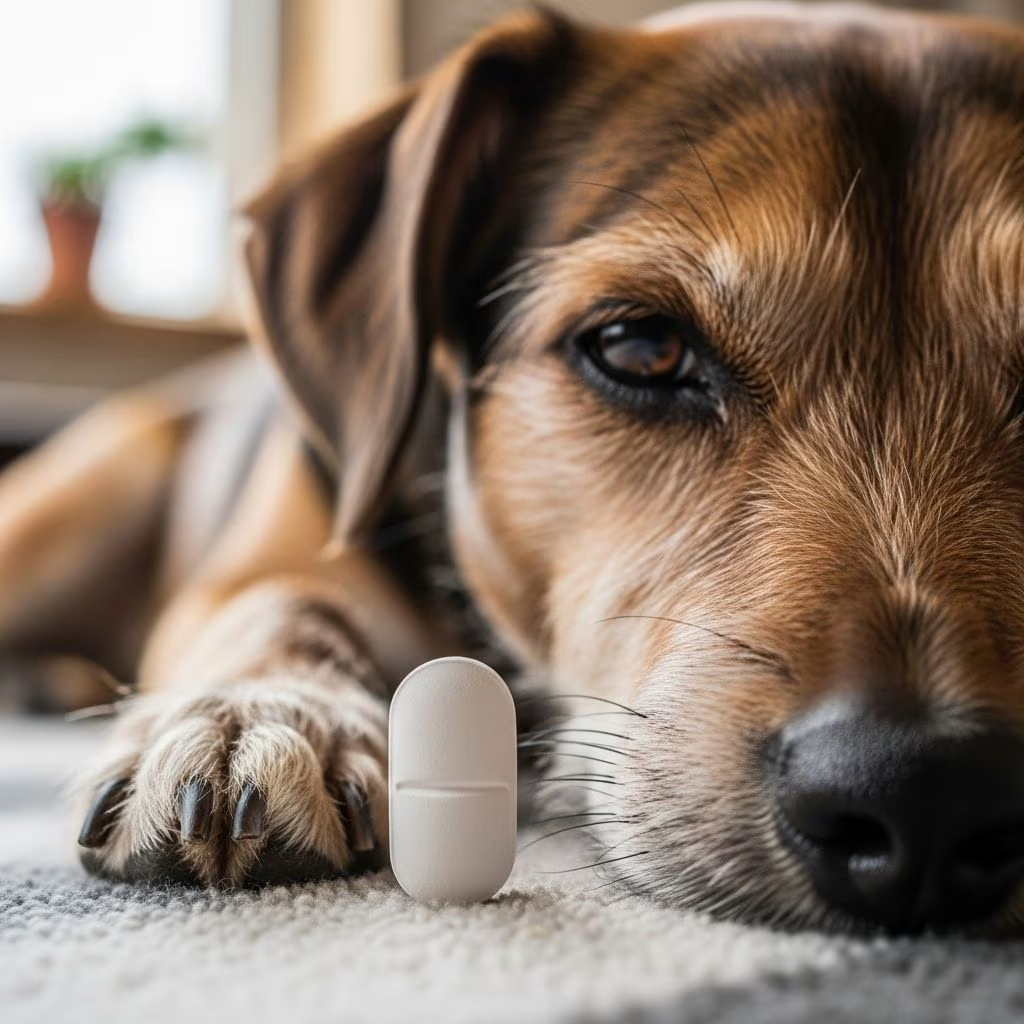
Tramadol serves as a key medication in veterinary care for controlling moderate to severe pain in dogs, often prescribed off-label for conditions like post-surgical discomfort, arthritis, and injuries. This synthetic opioid works by influencing brain chemicals to block pain signals, making it a common choice when other treatments need support.
Understanding How Tramadol Functions in Canines
Unlike drugs that directly target inflamed tissues, tramadol acts centrally in the nervous system. It binds to mu-opioid receptors and inhibits the reuptake of serotonin and norepinephrine, chemicals that modulate pain perception. In dogs, the liver converts it into an active metabolite called O-desmethyltramadol (M1), though canines produce less of this effective form compared to cats, limiting its standalone potency.
This dual mechanism provides relief without addressing underlying inflammation, positioning tramadol best as part of a multimodal pain plan alongside NSAIDs or other therapies. Research indicates shorter half-lives in dogs (1-2 hours orally), necessitating frequent dosing to maintain effects.
Common Conditions Treated with Tramadol in Dogs
Veterinarians prescribe tramadol for various acute and chronic pain scenarios where immediate relief is needed. Key applications include:
- Postoperative recovery: Eases pain after surgeries like spays, neuters, or orthopedic procedures.
- Arthritis and joint issues: Helps with osteoarthritis, degenerative joint disease, and sprains by reducing discomfort during movement.
- Injuries: Manages pain from broken bones, back injuries, or severe nerve damage.
- Cancer-related pain: Supports symptom control in advanced cases.
- Other uses: Occasionally for coughing, anxiety, or spinal conditions like degenerative myelopathy.
Studies show mixed results for standalone use in osteoarthritis; one trial found improvements in mobility and pain interference but noted declining blood levels over time, suggesting combination therapy for best outcomes.
Veterinary Dosage Recommendations
Dosage varies by dog’s weight, health status, and pain severity, always determined by a vet. Typical oral doses range from 2-5 mg/kg every 8-12 hours, though some protocols suggest up to 10-15 mg/kg every 6-8 hours for short-term use.
| Condition | Typical Dose (mg/kg) | Frequency | Route |
|---|---|---|---|
| Acute post-op pain | 3-5 | Every 8 hours | Oral |
| Chronic arthritis | 2-4 | Every 12 hours | Oral |
| Severe injury | 5-10 | Every 6-8 hours | Oral/Injectable |
Avoid extended-release human formulations, as dogs absorb them differently, risking overdose. Never use human tramadol containing acetaminophen, which is toxic to dogs. Start low and monitor response, adjusting as needed under vet supervision.
Potential Side Effects and Monitoring
Most dogs tolerate tramadol well, but side effects can occur, especially at higher doses. Common ones include:
- Sedation or lethargy
- Dilated pupils (mydriasis)
- Constipation
- Loss of appetite
- Vomiting or upset stomach
- Unsteadiness or ataxia
Severe reactions like agitation, panting, excessive salivation, or seizures warrant immediate vet contact. Overdose signs—severe drowsiness, breathing issues, pinpoint pupils, tremors, or collapse—demand emergency care.
Puppies, seniors, or dogs with liver/kidney disease may need dose adjustments due to slower metabolism. Drug interactions with SSRIs, MAOIs, or other opioids can amplify effects.
Why Veterinary Oversight is Essential
Tramadol isn’t FDA-approved for dogs but is legally prescribed off-label. Human versions pose risks from additives, and self-dosing can lead to ineffective treatment or toxicity. Vets tailor plans based on breed, size, and concurrent meds. A University of Georgia study on OA pain highlighted limited solo benefits, reinforcing multimodal approaches.
Alternatives and Complementary Therapies
When tramadol alone falls short, vets combine it with:
- NSAIDs: Carprofen or meloxicam for inflammation.
- Other opioids: Morphine or fentanyl for intense pain.
- Gabapentin: For nerve pain.
- Non-drug options: Acupuncture, laser therapy, weight management, joint supplements like glucosamine.
Emerging options like tapentadol show promise with direct mu-receptor action and norepinephrine effects, potentially better for dogs, though more research is needed.
Administering Tramadol Safely at Home
Give with food to minimize stomach upset. Use pill pockets or liquid forms if swallowing is an issue. Track doses meticulously—overlaps risk serotonin syndrome (agitation, high heart rate, hyperthermia). Store securely away from kids and other pets.
Monitor daily: Note energy levels, appetite, stool consistency, and pain behaviors like limping or whining. Report changes promptly. Gradually taper off for long-term use to avoid withdrawal.
FAQs on Tramadol for Dogs
Can I give my dog human tramadol?
No—many contain acetaminophen, toxic to dogs. Only use vet-prescribed versions.
How quickly does tramadol work in dogs?
Effects start in 1-2 hours orally, peaking at 2-4 hours, lasting 6-8 hours.
Is tramadol addictive for dogs?
Rarely, with short-term use, but monitor for dependence signs like restlessness on discontinuation.
What if my dog vomits after a dose?
Skip the next if mild; contact vet for persistent issues or to confirm if redosing is safe.
Can tramadol treat anxiety in dogs?
Sometimes off-label, but consult a vet—other meds like fluoxetine may be better.
Long-Term Pain Management Strategies
For chronic issues like arthritis affecting over 20% of dogs, integrate tramadol into holistic plans. Weight control reduces joint stress; physical therapy builds muscle. Regular vet check-ins adjust regimens as conditions evolve. Research stresses multimodal therapy for optimal quality of life.
Owners report better mobility and happiness with combined approaches. Early intervention prevents pain cycles, enhancing bonds between pets and families.
References
- Tramadol for Dogs: Uses, Dosage & Side Effects — Pawlicy Advisor. 2023. https://www.pawlicy.com/blog/tramadol-for-dogs/
- Clinical pharmacology of tramadol and tapentadol, and their use in dogs and cats — PMC (PubMed Central). 2021-10-11. https://pmc.ncbi.nlm.nih.gov/articles/PMC8520146/
- Tramadol for Dogs: Uses, Typical Dosage, and Side Effects — GoodRx. 2023. https://www.goodrx.com/pet-health/dog/tramadol-for-dogs
- Tramadol for Dogs: Emergency Signs & Critical Side Effects — GSVS. 2023. https://gsvs.org/blog/tramadol-for-dogs-emergency-side-effects/
- Tramadol for Dogs and Cats — PetMD. 2023. https://www.petmd.com/pet-medication/tramadol-for-dogs-cats
- Tramadol: Limited Benefit for OA Pain — dvm360. 2018. https://www.dvm360.com/view/tramadol-limited-benefit-for-oa-pain



