

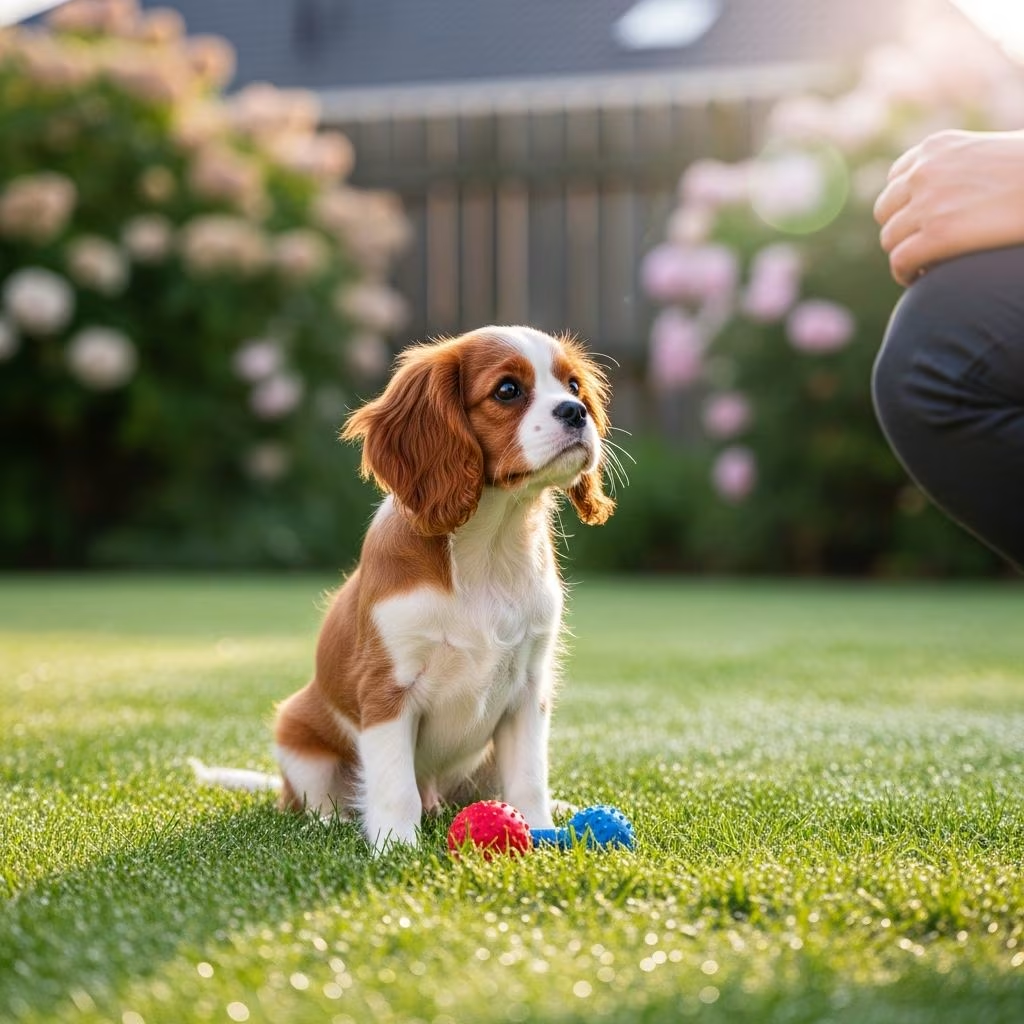
The Cavalier King Charles Spaniel is renowned for its affectionate nature, gentle demeanor, and eagerness to please, making it one of the most rewarding breeds to train. These small, graceful dogs thrive on positive interactions and consistent guidance, quickly learning commands and behaviors when approached with patience and rewards. Proper training not only ensures a well-mannered pet but also strengthens the bond between you and your furry friend, promoting a harmonious household.
Understanding the Breed’s Trainability
Cavaliers possess a soft temperament that responds best to reward-based methods rather than harsh corrections. Their desire to connect with owners makes them highly motivated by praise, treats, and play. Experts note that starting training early capitalizes on their puppy curiosity, leading to lifelong good habits. Factors like their moderate energy levels and occasional prey drive influence training focus areas, such as leash manners and impulse control.
Preparing for Success: Essential Setup
Before bringing home your Cavalier puppy, gather key tools: a comfortable crate, high-value treats, a short leash, clicker for precise marking, grooming supplies, and puppy-safe toys. Establish a daily routine for meals, potty breaks, play, and rest to provide structure. Designate a quiet area for crate training and keep training sessions brief—5 to 10 minutes—to match their attention span.
- Crate: Size-appropriate for standing and turning comfortably.
- Treats: Small, soft pieces of chicken or cheese for quick rewards.
- Leash and Collar: Lightweight for puppies to avoid discomfort.
- Grooming Kit: Brush, nail clippers, and ear cleaner for routine care.
Foundation Phase: Weeks 1-8 at Home
The initial weeks set the tone for your Cavalier’s development. Focus on building confidence through gentle handling, routine establishment, and basic exposure.
Bringing Puppy Home Smoothly
Limit visitors for the first 48 hours to reduce stress. Feed on schedule and take immediate outdoor potty trips post-meal or nap. Use a consistent spot outdoors to reinforce elimination habits. Praise lavishly for successes to associate outdoor relief with positivity.
Introducing the Crate Positively
Make the crate a cozy den with familiar bedding. Feed meals inside and toss treats for voluntary entry. Gradually extend alone time from minutes to hours, preventing whining by preempting needs. This fosters independence and aids housetraining.
| Timeframe | Crate Duration | Tips |
|---|---|---|
| Weeks 1-2 | 5-15 minutes | Door open during play; treats on entry. |
| Weeks 3-4 | 30-60 minutes | Include toys; rotate for interest. |
| Weeks 5-8 | 1-2 hours | Practice before outings; calm returns. |
Core Obedience Commands
Teach fundamentals using lure-reward techniques. Cavaliers excel here due to food motivation.
Sit and Down
For sit, hold a treat above the nose, moving it back over the head until haunches drop. Mark with “Yes!” or clicker and reward. Progress to hand signal alone. For down, lure from sit by lowering treat to floor between paws, then forward. Repeat 5-10 times per session.
Stay and Recall
Stay builds from sit: say command, step back one foot, return to reward. Increase distance and duration gradually. For recall, call name enthusiastically in low-distraction areas, rewarding heavily. Practice daily, fading treats over time.
Leave It and Impulse Control
Place a low-value item on floor, cover with foot if needed, and reward for ignoring it. Introduce higher temptations progressively. This curbs begging and prey chasing.
Housetraining Mastery
Cavaliers are quick learners for potty training with supervision and consistency. Crate confinement prevents accidents, as puppies avoid soiling their den. Schedule breaks every 2-3 hours, plus after eating, drinking, or waking. Use enzymatic cleaners for mishaps and ignore indoor errors—never punish.
- Supervise constantly indoors.
- Leash-walk to potty spot.
- Praise and treat immediately after going outside.
- Track progress; full reliability by 4-6 months.
Socialization: Building a Confident Companion
Expose your Cavalier to diverse people, sounds, and environments between 3-16 weeks, the critical window. Use strollers pre-vaccinations. Invite calm guests, varying ages and appearances. Positive puppy classes accelerate this.
Desensitize to handling: touch paws, ears, mouth daily with treats. This prepares for vet visits and grooming.
Leash Walking Without Pulls
Start indoors: reward for staying in a “reinforcement zone” beside you. Add leash, turning away from pulls. Outdoors, use high-value rewards for heel position. Daily practice yields loose-leash walking.
Grooming and Health Routines
Regular care prevents issues like ear infections and matted fur. Bathe monthly, brush 2-3 times weekly, trim nails biweekly, check ears weekly. Pair with treats for acceptance.
Exercise Needs
30-60 minutes daily: walks, fetch, or swims suit their energy. Mental games like puzzle toys tire them mentally.
Advanced Training and Activities
Once basics solidify, explore AKC Rally, Agility, or Scent Work. Obedience classes or private sessions refine skills. Cavaliers shine in Canine Good Citizen tests.
Common Challenges and Solutions
| Issue | Solution |
|---|---|
| Begging/Jumping | Ignore; reward calm behavior on mat. |
| Separation Anxiety | Gradual alone training; stuffed Kongs. |
| Chewing | Redirect to toys; puppy-proof home. |
FAQ
How long to housetrain a Cavalier puppy?
Typically 4-6 months with consistency; some faster.
Best training treats for Cavaliers?
Soft, smelly bits like hot dog or cheese.
Can Cavaliers do agility?
Yes, they excel in fun, low-impact versions.
Addressing barking in Cavaliers?
Teach quiet command; ensure exercise.
Training sessions frequency?
3-5 short daily sessions.
References
- How to Train a Cavalier King Charles Spaniel Puppy — American Kennel Club (AKC). 2023. https://www.akc.org/expert-advice/training/how-to-train-a-cavalier-king-charles-spaniel/
- Training for a Cavalier King Charles Spaniel — PetCareRx. 2024. https://www.petcarerx.com/article/training-for-a-cavalier-king-charles-spaniel/507
- How to Train a King Charles Cavalier Puppy: The Ultimate Guide — Zigzag. 2024. https://zigzag.dog/en-us/blog/puppy-training/how-to-train-a-king-charles-cavalier-puppy-everything-you-need/



