

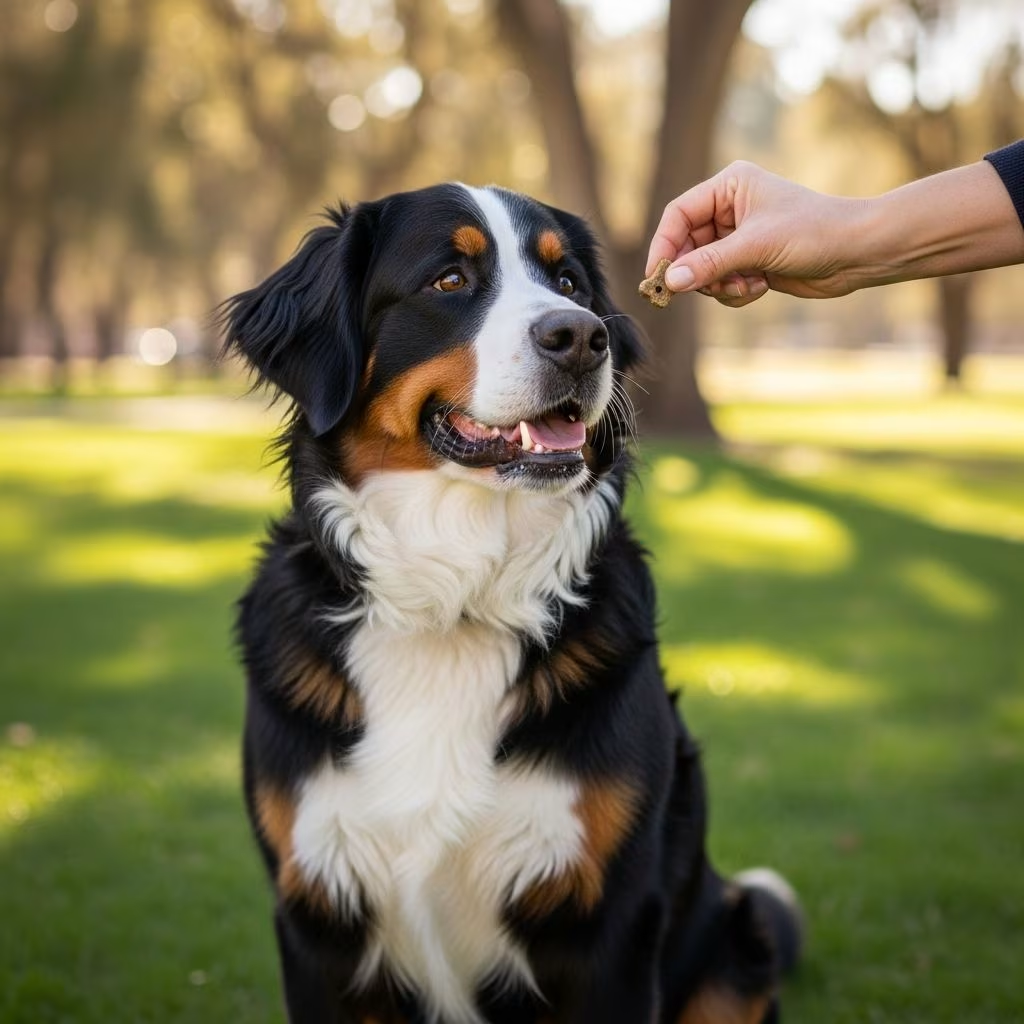
Bernese Mountain Dogs are renowned for their striking appearance, gentle temperament, and unwavering loyalty. Originating from the Swiss Alps, these large working dogs thrive when given clear guidance and purposeful activities. Effective training leverages their intelligence and eagerness to please, fostering a strong bond while addressing their slower processing speed and physical sensitivities. This guide provides a fresh approach to developing a well-mannered companion through structured, positive methods.
Understanding the Bernese Mountain Dog Temperament
These dogs possess a thoughtful demeanor, preferring calm interactions over high-pressure scenarios. They process information deliberately, retaining lessons deeply once understood. Their desire to satisfy owners makes them responsive to kind, consistent handling, but confusion can lead to hesitation rather than defiance.
Physical traits influence training: rapid growth demands joint protection, limiting intense activities during puppyhood. Daily moderate movement suffices, prioritizing mental stimulation to prevent boredom-induced behaviors.
Essential Puppy Training Foundations
Begin at 7-8 weeks with short, engaging sessions to build confidence. Focus on handling for vet visits, introducing new surfaces, and basic cues amid socialization.
- Crate Introduction: Associate the crate with comfort using treats and toys for gradual alone-time practice.
- Socialization: Expose to diverse people, sounds, and animals positively to curb adolescent fears.
- Handling Exercises: Gently touch paws, ears, and mouth daily, rewarding calm responses.
Housetraining succeeds with frequent outdoor trips post-meals and naps, praising successes immediately. Limit stairs and jumps until growth plates close around 15 months to safeguard elbows and knees.
Mastering Core Obedience Commands
Positive reinforcement—treats, praise, play—drives progress. Sessions last 5-10 minutes, multiple times daily, in low-distraction settings.
Teaching the Sit Command
- Hold a treat above the nose, moving it back over the head; the rear naturally lowers.
- Mark “yes” or click as hindquarters hit the ground, then reward.
- Introduce the verbal “sit” cue before luring, repeating for association.
- Phase out the lure: use hand signal alone, rewarding from another hand.
- Extend duration with repeated rewards in position before release cue like “free.”
Practice transitions: sit to stand, incorporating patience for reliable control.
Perfecting Recall
Start indoors: say name and “come” enthusiastically, rewarding arrival lavishly. Progress outdoors on long lines, avoiding recalls during chases to maintain positivity. Their thoughtful nature benefits from patient repetition.
Leash Walking Without Pulling
Berners’ strength necessitates early loose-leash skills. Their pulling power stems from herding heritage, but structured methods yield results.
| Stage | Method | Tips |
|---|---|---|
| Positioning | Lure to left side with treat, mark “heel” when aligned. | Low distractions; repeat until steady. |
| Turns & Steps | Add 90-360 degree turns, forward steps. | Reinforce position constantly. |
| Adding Leash | Attach lead; same lure-mark-reward process. | Baby steps over weeks; stay calm. |
| Real-World | Practice in varied environments. | Ignore pulling; reward slack lead. |
Positive lead association prevents resistance: pair attachment with treats initially. Consistency as a calm leader ensures flawless walks.
Socialization and Behavior Management
Adolescence (16 weeks to ~1.5 years) brings selective forgetting and caution. Revisit basics firmly yet positively. Introduce pets gradually; teach chickens off-limits if relevant. Prevent jumping via leash control and sit-on-approach cues.
Barking is minimal but alerting occurs; reward quiet to shape appropriately.
Tailored Exercise and Enrichment Programs
Avoid 4-hour marathons or hard-surface runs; opt for two 20-30 minute walks with sniffing leeway. Low-impact hikes post-growth suit their steady build.
- Mental Games: Scent work, puzzles, carting tap work ethic.
- Advanced Pursuits: Agility, obedience trials channel energy post-15 months.
- Puppy Limits: Puppy-paced walks; carry down stairs.
Balance prevents couch-potato tendencies while protecting joints.
Nutrition, Grooming, and Health in Training Context
High-quality diet supports growth; portion control combats obesity. Brush tri-color coat weekly, teeth daily ideally. Training integrates grooming: reward tolerance.
Monitor for breed issues like hip dysplasia; gentle training minimizes stress.
Advanced Training Opportunities
Once basics solidify, explore therapy work, drafting, or herding simulations. Their eagerness shines in structured jobs. Enroll in classes for professional input.
Common Challenges and Solutions
| Challenge | Solution |
|---|---|
| Slow Learning | Short, repetitive sessions with ample praise. |
| Pulling on Leash | Consistent heel drills; stop when taut. |
| Adolescent Regression | Firm boundaries, revisit foundations. |
| Overexertion Risk | Moderate activities; growth-plate awareness. |
Frequently Asked Questions (FAQs)
Are Bernese Mountain Dogs Hard to Train?
No, their eagerness to please simplifies training, though patience accommodates their pace.
How Much Exercise Do They Need?
Moderate daily walks suffice; avoid intensity until maturity.
Best Age to Start Training?
Immediately at 7-8 weeks for lifelong habits.
Can They Do Agility?
Yes, post-growth for joint health.
How to Stop Jumping?
Leash management and sit rewards.
Building a Lifelong Bond
Training transcends commands—it’s about mutual trust. Patient, joyful methods yield a devoted partner. Daily practice solidifies gains; adapt to your dog’s feedback for optimal results.
References
- The Training of Bernese Mountain Dogs. What Every Owner Needs to Know — The Training of Dogs. 2023. https://www.thetrainingofdogs.com/post/the-training-of-bernese-mountain-dogs-what-every-owner-needs-to-know
- Bernese Mountain Dog: Your Complete Guide — Dog Academy. 2024. https://dogacademy.org/breeds/bernese-mountain-dog
- How to Train a Bernese Mountain Dog Puppy: Milestone Timeline — American Kennel Club (AKC). 2023-05-15. https://www.akc.org/expert-advice/advice/train-bernese-mountain-dog-puppy-milestone-timeline/
- BERNESE MOUNTAIN DOG TRAINING! How To Train Your Bernese Mountain Dog To Walk to Heel! — YouTube (Dog Training Channel). 2022. https://www.youtube.com/watch?v=d7Uwi861VEQ
- Bernese Mountain Dog Breed Guide — BorrowMyDoggy. 2024. https://www.borrowmydoggy.com/doggypedia/dog-breed-guides-bernese-mountain-dog
- Train Your Bernese Mountain Dog Puppy To Sit — Kevin The Berner. 2023. https://www.kevintheberner.com/blog/7-easy-steps-to-train-your-dog-to-sit
- Basic Obedience Training for Bernese Mountain Dog Puppies — The Bernese. 2024. https://thebernese.org/basic-obedience-training/



