Training Your 8-Week-Old Puppy: Essential Guide For Success
Master the essentials of training your 2-month-old puppy with proven techniques for house manners, basic commands, and lifelong habits.
Training Your 8-Week-Old Puppy
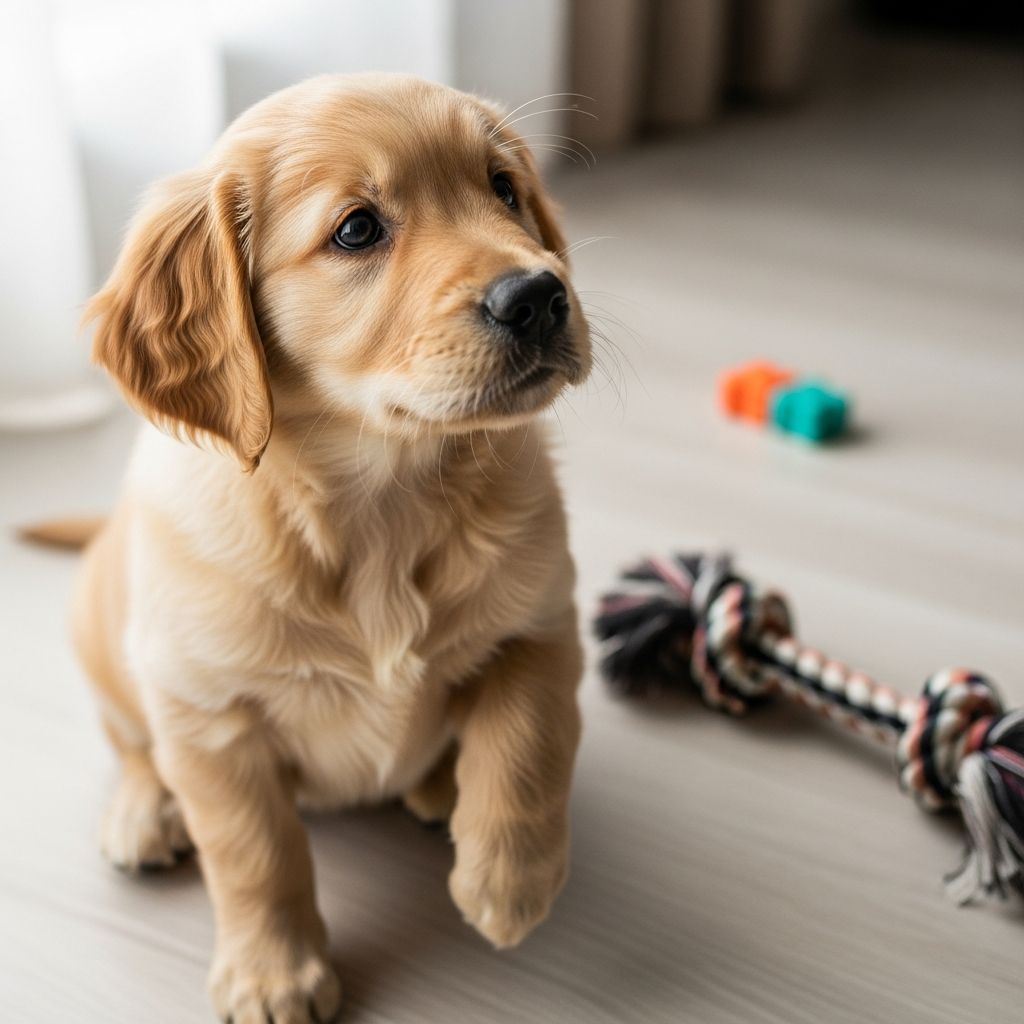
Bringing home an 8-week-old puppy marks the start of an exciting journey filled with learning and bonding. At this tender age, puppies possess remarkable capacity for absorbing new information, making it the ideal time to establish foundational behaviors. Focus on short, rewarding sessions using positive reinforcement to build trust and enthusiasm for learning. This approach ensures your pup develops into a confident, well-mannered dog.
Establishing a Daily Routine for Success
A consistent schedule forms the backbone of effective puppy training. Puppies thrive on predictability, which helps regulate their bodily functions and reduces accidents. Align feeding, potty breaks, play, and rest periods to match their natural rhythms. Typically, feed three to four small meals daily, followed immediately by outdoor potty opportunities. Incorporate brief training moments around mealtimes, using kibble as rewards to keep sessions engaging.
- Wake-up potty break followed by breakfast.
- Mid-morning play and training (5 minutes).
- Noon feeding and potty.
- Afternoon nap in crate.
- Evening routine mirroring morning with added family interaction.
This structure not only aids house training but also teaches impulse control, such as waiting calmly for food bowls. Adjust based on your puppy’s breed and energy levels, observing signs of fatigue to avoid overstimulation.
Mastering House Training from Day One
House training begins the moment your puppy arrives home. At 8 weeks, their bladders are small, allowing only short intervals between eliminations—roughly every 1-2 hours, plus after meals, naps, and play. Select a designated outdoor spot and use a cue like “go potty” to associate the action with the command. Praise lavishly and offer a treat the instant they finish, reinforcing the behavior.
Supervision is crucial indoors. Tether your puppy to you with a leash or use baby gates to prevent unsupervised wandering. If catching an accident in progress, interrupt calmly with a noise and rush outside. Never punish past mistakes, as this breeds fear and confusion. Track successes in a journal to monitor progress; most puppies achieve reliability by 12-16 weeks with diligence.
| Timeframe | Expected Milestone | Tips |
|---|---|---|
| Weeks 8-10 | Fewer indoor accidents | Frequent outings (every 30-60 min) |
| Weeks 10-12 | Nighttime control | Limit water after 7 PM |
| Weeks 12+ | Full reliability | Gradual freedom increase |
Building Trust with Crate Training
Crate training provides a safe den-like space, promoting bladder control and preventing destructive chewing. Introduce the crate positively by tossing treats inside during play. Feed meals with the door open, gradually closing it for short durations while you’re nearby. Use a comfortable bedding and cover partially for security.
Aim for naps and nighttime in the crate, starting with 1-2 hours and building up. If whining occurs, wait for a quiet moment before releasing to avoid rewarding fussing. Combine with potty breaks every 3-4 hours overnight initially. This method fosters independence and eases separation later.
Essential Commands: Starting with Sit and Down
Begin formal training with “sit,” the cornerstone of obedience. Hold a treat above your puppy’s nose, moving it back slowly so their rear lowers naturally. Mark the moment with “yes!” or a clicker and reward. Practice 3-5 times per session, multiple times daily.
Progress to “down” from sit: Lure with a treat drawn along the ground away from them. Patience pays off, as some pups take longer. These commands teach focus and politeness, like sitting before meals or doors.
- Sit: Nose-to-treat lure upward/backward.
- Down: From sit, lure downward/forward.
- Duration: 5-minute sessions, end positively.
Perfecting Recall for Safety
Recall, or “come,” is vital for off-leash safety. Start indoors: Say their name excitedly followed by “come,” then back away rewarding heavily upon arrival. Never chase; instead, run away to encourage pursuit. Practice in low-distraction areas, always ending on success—no calling for punishment.
By 10-12 weeks, introduce mild distractions like toys. Use high-value treats initially, fading to praise. Reliable recall prevents escapes and bolsters adventures.
Leash Skills: From Dragging to Delightful Walks
Leashes intimidate many puppies. Acclimate by letting them wear collar/harness indoors with treats for tolerance. Attach the leash loosely for short drags, praising calm movement. Begin walks in quiet spots, rewarding for staying near without pulling.
Teach “heel” or “let’s go” by luring beside you with treats, stopping if tension arises. Short sessions build positive associations, evolving into enjoyable outings.
Socialization: The Window of Opportunity
Between 8-16 weeks, puppies are primed for positive exposures. Introduce diverse people, sounds, surfaces, and gentle animals safely. Enroll in puppy classes for controlled play. Avoid dog parks until fully vaccinated. Log 100+ experiences to build resilience.
- People of varied ages/appearances.
- Household noises (vacuum, doorbell).
- Car rides with treats.
- Novel textures (grass, carpet).
Addressing Common Puppy Challenges
Biting and jumping peak now due to teething. Redirect mouthing to toys, freezing out nips. For jumping, turn away ignoring until paws settle, then reward.
Whining in crate? Comfort verbally but release only when quiet. Excessive barking? Identify triggers and reward silence. Consistency across family members prevents confusion.
Impulse Control and Polite Manners
Teach “wait” at doors, bowls, and gates: Have pup sit, release with “okay.” This curbs bolting and builds patience. Tie-down training—securing leash to furniture—promotes settling.
Nutrition, Health, and Training Synergy
High-quality puppy food fuels learning. Consult vets for deworming, vaccines starting at 8 weeks. Healthy pups train better; monitor stools for potty cues.
Progressing Beyond 12 Weeks
By month 3, layer in “stay” (short holds), “leave it,” and loose-leash walking. Practice in new environments for proofing. Reduce treats, emphasizing praise.
Frequently Asked Questions
How often should I train my 8-week-old puppy?
Short 3-5 minute sessions 3-5 times daily, totaling under 15 minutes. Mealtimes integrate naturally.
What if my puppy has accidents after weeks of training?
Revisit supervision and schedule. Regression is normal; stay positive.
Is punishment ever okay in puppy training?
No—positive reinforcement is scientifically proven superior, avoiding fear.
When can I take my puppy to the dog park?
After full vaccinations around 16 weeks, with socialization prior.
How do I stop biting?
Redirect to toys, yelp, and withdraw attention briefly.
References
- Puppy Training Schedule: Month-by-Month for 6 Months — Pet Source. 2023. https://petsourcenc.com/puppy-training-basics-a-month-by-month-guide-for-the-first-6-months/
- FUNdamentals: Pups 2 to 5 Months of Age — Guide Dogs for the Blind. 2024. https://www.guidedogs.com/puppy-raising-guidebook/fundamentals-pups-2-to-5-months
- Puppy Training Guide: How and When To Start — PetMD. 2025-01-15. https://www.petmd.com/dog/general-health/when-start-training-puppy
- Complete Puppy Training Schedule by Age — The Puppy Academy. 2020-08-24. https://www.thepuppyacademy.com/blog/2020/8/24/complete-puppy-training-schedule-by-age
- Puppy Training Timeline: Teaching Good Behavior Before It’s Too Late — American Kennel Club (AKC). 2024. https://www.akc.org/expert-advice/training/puppy-training-timeline-teaching-good-behavior-before-its-too-late/
Similar Articles







Read full bio of Sneha Tete