

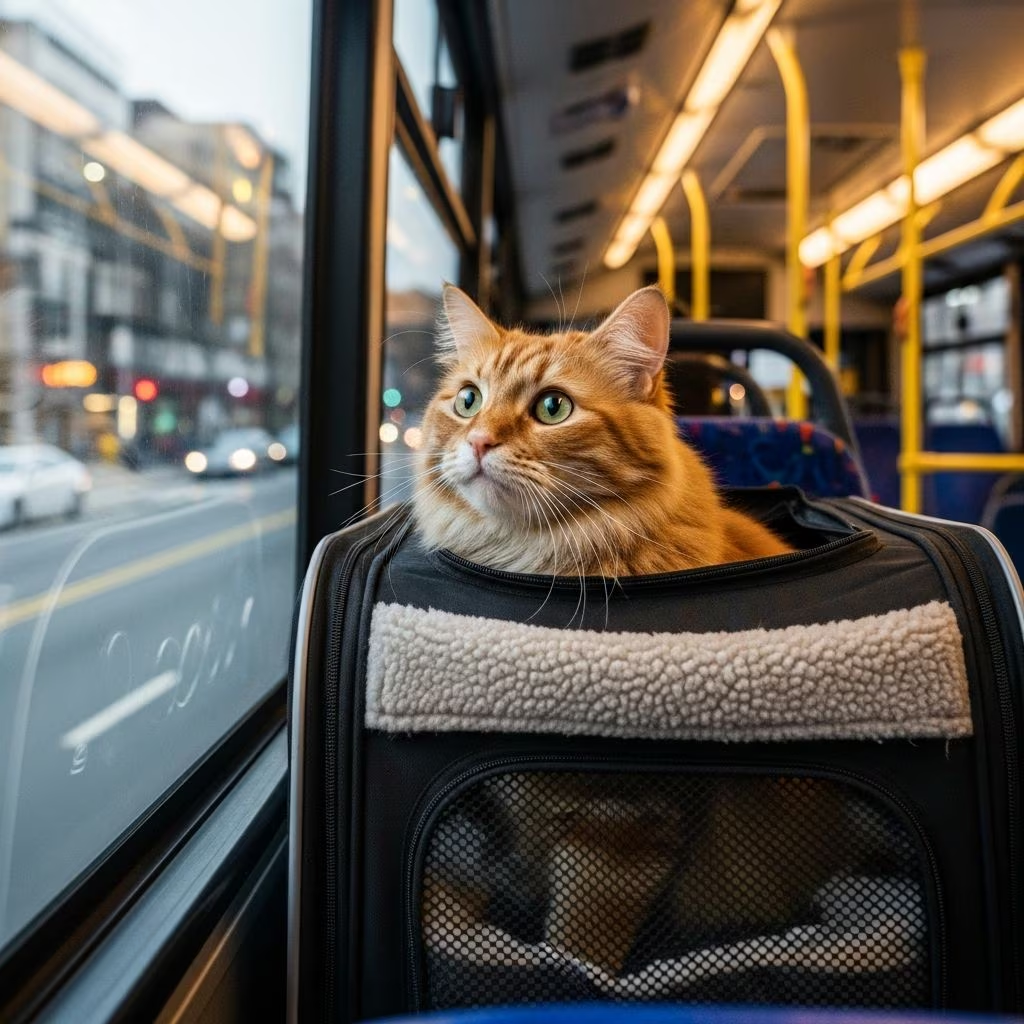
Training Tips: Using Public Transportation with Your Cat
Taking your cat on public transportation might seem like a daunting task, but with proper preparation and training, it can become a manageable and even enjoyable experience for both you and your feline companion. Whether you’re commuting across town or embarking on a longer journey, understanding how to acclimate your cat to buses, trains, and other transit options is essential. This comprehensive guide will walk you through the training process, preparation strategies, and practical tips to ensure a smooth public transit experience with your cat.
Understanding Public Transit Policies for Cats
Before bringing your cat onto public transportation, it’s crucial to understand the specific policies of your local transit authority. Rules vary significantly from city to city and can differ depending on the type of transportation you’re using. Most transit systems have specific guidelines about carrier requirements, peak travel hours, and whether fare fees apply to pets. Researching your local policies ahead of time will prevent any complications or surprises on travel day.
Different transit systems have unique requirements. In some cities, cats must be in carriers at all times, while others may allow leashed cats under certain conditions. Peak hour restrictions are common in many urban areas—for example, some systems prohibit non-service animals during morning and evening rush hours to minimize disruption to commuters. Understanding these rules ensures your cat remains safe and compliant with local regulations.
Preparing Your Cat for Public Transportation
Start with Carrier Training
The foundation of successful public transit travel with your cat is proper carrier training. Your cat should be completely comfortable spending extended periods in their carrier before you attempt any public transportation journey. Begin by leaving the carrier out in your home with the door open, allowing your cat to explore it voluntarily. Place treats and toys inside to create positive associations with the carrier.
Gradually increase the time your cat spends in the carrier. Start with just a few minutes and work your way up to longer periods. Practice closing the door for brief moments while you’re still at home, then gradually extend these durations. When your cat is comfortable in the carrier at home, move to the next step of training.
Acclimate Your Cat to Vehicle Travel
Before attempting public transportation, your cat should be accustomed to riding in vehicles. This gradual process requires patience and consistency. Start by simply sitting in your parked car with your cat in their carrier, talking softly and offering treats. Make this a positive experience without any actual movement.
Next, start the engine while your cat is in the carrier, playing soft music and continuing to provide treats and reassurance. After your cat becomes comfortable with this, progress to driving short distances in your driveway or around your home’s immediate area. Allow at least a full week between each stage of this process, repeating the experience multiple times daily if possible. This measured approach helps your cat understand that vehicle travel is a normal, non-threatening activity.
Gradually extend these practice drives to longer distances, progressing from driving around the block to taking short trips to familiar locations. Only advance to the next stage once your cat demonstrates clear comfort with the current level. Rushing this process can lead to increased anxiety and behavioral issues.
Desensitization to Transit Environments
Public transportation environments are dramatically different from cars and homes. Begin acclimating your cat to these spaces by visiting quiet bus stops or train stations during off-peak hours. Let your cat experience the sights, sounds, and general atmosphere of these locations while remaining safely in their carrier. This exposure helps reduce stress when actual travel occurs.
Gradually introduce your cat to busier transit stations as their comfort level increases. The goal is for your cat to become accustomed to loud announcements, crowds, and the overall bustling nature of public transportation without becoming overly anxious or stressed.
Building Your Cat’s Social Skills and Behavior
Teaching Basic Commands
Before traveling on public transit, your cat should understand fundamental commands that will keep them calm and well-behaved in public spaces. Essential commands include “sit,” “stay,” “come,” and “down.” These commands help you maintain control and manage your cat’s behavior in transit environments.
Practice these commands at home with various distractions present. Turn on the television, play music, or have family members move around while you’re training. This prepares your cat to focus on your commands even when surrounded by the noise and activity of public transportation. Use high-value treats as rewards to reinforce positive behavior.
Desensitization to Loud Noises
Public transit involves numerous loud and sudden noises: door alarms, announcements, brakes, and crowd chatter. Familiarize your cat with these sounds gradually. Play recordings of transit-related noises at low volumes at home, gradually increasing the volume over several weeks. Pair these sounds with positive experiences like treats or playtime to create favorable associations.
Developing Comfort with Close Quarters
Public transit vehicles can be crowded, with your cat confined to a carrier in close proximity to strangers. Train your cat to remain calm in confined spaces with activity happening around them. Practice sitting quietly with your cat in a carrier while other people walk past, simulating the conditions they’ll experience during actual transit travel.
Essential Equipment and Supplies
Selecting the Right Carrier
Choosing an appropriate carrier is critical for safe and stress-free public transit travel. Your carrier should be:
– Appropriately sized for your cat to stand, turn around, and lie down comfortably- Durable and secure with reliable latches- Well-ventilated to ensure adequate airflow- Equipped with comfortable bedding or padding- Easy for you to carry for extended periods
Consider carriers with handles that allow you to hold them on your lap or under your seat. Backpack-style cat carriers offer hands-free convenience and are increasingly popular for transit travel. Ensure any carrier you choose meets airline standards if you might eventually travel by plane with your cat.
Leashes and Harnesses for Cats
In some transit systems, cats on leashes are permitted in addition to or instead of carriers. Training your cat to accept a leash and harness takes considerable time and patience but can provide additional flexibility. Start by leaving the harness and leash on the floor, allowing your cat to inspect and become comfortable with them. Gradually progress to placing the harness on your cat for short periods, then attaching the leash and allowing your cat to walk around your home while dragging it.
Never force the process. If your cat resists the harness, take a step back and continue the positive association phase longer. Some cats will never fully accept a leash and harness, and that’s perfectly acceptable—a quality carrier will serve your needs just as well.
Travel Essentials to Pack
When traveling with your cat on public transit, bring essential supplies to ensure their comfort and well-being:
– Training treats for positive reinforcement throughout the journey- Calming treats if your cat experiences anxiety during travel- Portable water bowl and bottled water- ID tags and microchip information- Recent vaccination records or health certificates if required by the transit authority- Waste bags and portable litter disposal option for longer trips- Familiar toys or items with their home scent for comfort- Any medications your cat requires
Managing Your Cat’s Anxiety and Stress
Recognizing Signs of Stress
Understanding how stress manifests in your cat is essential for addressing problems before they escalate. Common signs of transit-related anxiety include excessive meowing, excessive drooling, decreased appetite, inappropriate elimination, panting, and visible trembling. Your cat might also attempt to escape the carrier or become unusually aggressive.
Using Calming Strategies
Several strategies can help reduce your cat’s anxiety during public transit travel. Calming treats containing ingredients like L-theanine or chamomile may help relax anxious cats without causing drowsiness. Playing soft music—classical or specifically designed pet calming music—can mask harsh transit sounds and create a soothing environment.
Maintaining a calm demeanor yourself significantly impacts your cat’s stress levels. Cats are sensitive to their owner’s emotions, so projecting confidence and calmness helps reassure your anxious feline companion. Speak in soft, reassuring tones and provide gentle petting if your cat will tolerate it.
Consulting with Your Veterinarian
If your cat experiences severe anxiety despite consistent training and preparation, consult your veterinarian. They may recommend prescription anti-anxiety medications for travel days or discuss other behavioral modification strategies. Some cats require professional help to overcome transportation anxiety, and there’s no shame in seeking veterinary support.
Timing and Route Selection
Avoiding Peak Travel Hours
Whenever possible, travel during off-peak hours when transit vehicles are less crowded. Rush hour commutes expose your cat to excessive noise, crowding, and stress that can negatively impact their travel experience and anxiety levels. Many transit systems actually prohibit pets during peak hours—check your local policies and plan accordingly.
Planning Shorter Initial Trips
Begin your cat’s public transit experience with short, manageable journeys rather than attempting lengthy trips immediately. A fifteen to twenty-minute trip is ideal for initial experiences, allowing your cat to acclimate without extended stress. As your cat demonstrates comfort and confidence, gradually increase trip durations.
Choosing Quieter Routes
Some transit lines or times of day are naturally quieter than others. Research your local transit system to identify less congested routes and times. Light rail and commuter trains may provide quieter experiences than heavily trafficked bus lines, though this varies by location.
Vaccination Records and Legal Requirements
Some public transportation systems require proof of current vaccinations before allowing pets to board. Ensure your cat is up-to-date on all required vaccinations, including rabies, and keep digital copies of vaccination records on your phone and printed copies in your travel bag. Familiarize yourself with your specific transit authority’s documentation requirements well in advance of your planned travel.
Additionally, some transit systems require signed liability forms acknowledging that you’re responsible for your cat while aboard public transportation. Research these requirements ahead of time and obtain any necessary forms in advance to streamline the boarding process.
Frequently Asked Questions
Q: At what age can I start training my cat for public transportation?
A: Begin carrier training and vehicle desensitization with kittens as early as 8-12 weeks old. However, you should wait until your cat is fully vaccinated (typically around 4-6 months) before attempting actual public transit travel.
Q: What should I do if my cat has an accident in their carrier during transit?
A: Bring absorbent pads or puppy pads to line the carrier bottom. If an accident occurs, clean the area with enzymatic cleaner at home. Continue training gradually—a single accident doesn’t mean your cat can’t travel; they may simply need additional bathroom breaks during preparation.
Q: Is it ever safe to leave my cat unattended in a carrier on public transit?
A: No. Never leave your cat unattended in a carrier on public transportation. Remain with your cat at all times, keeping the carrier secure and within your control or placed under your seat.
Q: Can all cats learn to travel on public transportation?
A: Most cats can become comfortable with public transit through patient, consistent training. However, cats with severe anxiety disorders may require additional veterinary support. Every cat is unique, and some may never be completely comfortable with transit despite excellent training.
Q: Should I use medication to calm my cat before public transit travel?
A: Only with veterinary approval. While calming treats are generally safe and helpful, prescription anti-anxiety medications should only be administered under professional guidance. Your vet can determine whether medication is appropriate for your cat’s anxiety level.
Q: How long does it typically take to train a cat for public transportation?
A: Complete training typically takes 2-4 months depending on your cat’s temperament, prior experiences, and how frequently you practice. Rushing the process often leads to setbacks, so patience is essential.
Conclusion
Successfully traveling with your cat on public transportation requires dedication, patience, and strategic planning. By following a structured training program that incorporates carrier acclimation, vehicle desensitization, behavior reinforcement, and gradual exposure to transit environments, you can help your cat become a confident and calm public transit traveler. Remember that every cat is unique—what works for one may require adjustments for another. Maintain realistic expectations, celebrate small victories, and consider consulting with professional cat behaviorists if needed. With proper preparation and consistent training, public transportation can become a manageable part of life with your feline companion.
References
- Riding Public Transit With Your Pet: A Guide for Traveling Tails — Figo Pet Insurance. 2024. https://figopetinsurance.com/blog/riding-public-transit-pets-guide
- Pets in Public Places: Training Your Dog or Cat — Hartville Pet Insurance. 2024. https://www.hartvillepetinsurance.com/resources/pets-in-public-places
- Train Your Cat to Love Traveling — Catnip Casa Cat Refuge. 2024. https://www.catnipcasa.org/train-cat-love-traveling
- The Ultimate Guide How to Travel With A Cat by Plane, Train & Car — Your Cat Backpack. 2024. https://yourcatbackpack.com/blogs/cat-backpack-tips-and-advice/how-to-travel-with-a-cat
- How to Travel With a Cat on a Train: A Practical Guide — Global Pet Cab. 2024. https://globalpetcab.com/blog/how-to-travel-with-a-cat-on-a-train
- Traveling with your cat? We’ve got some tips! — Animal Humane Society. 2024. https://www.animalhumanesociety.org/resource/traveling-your-cat-weve-got-some-tips



