

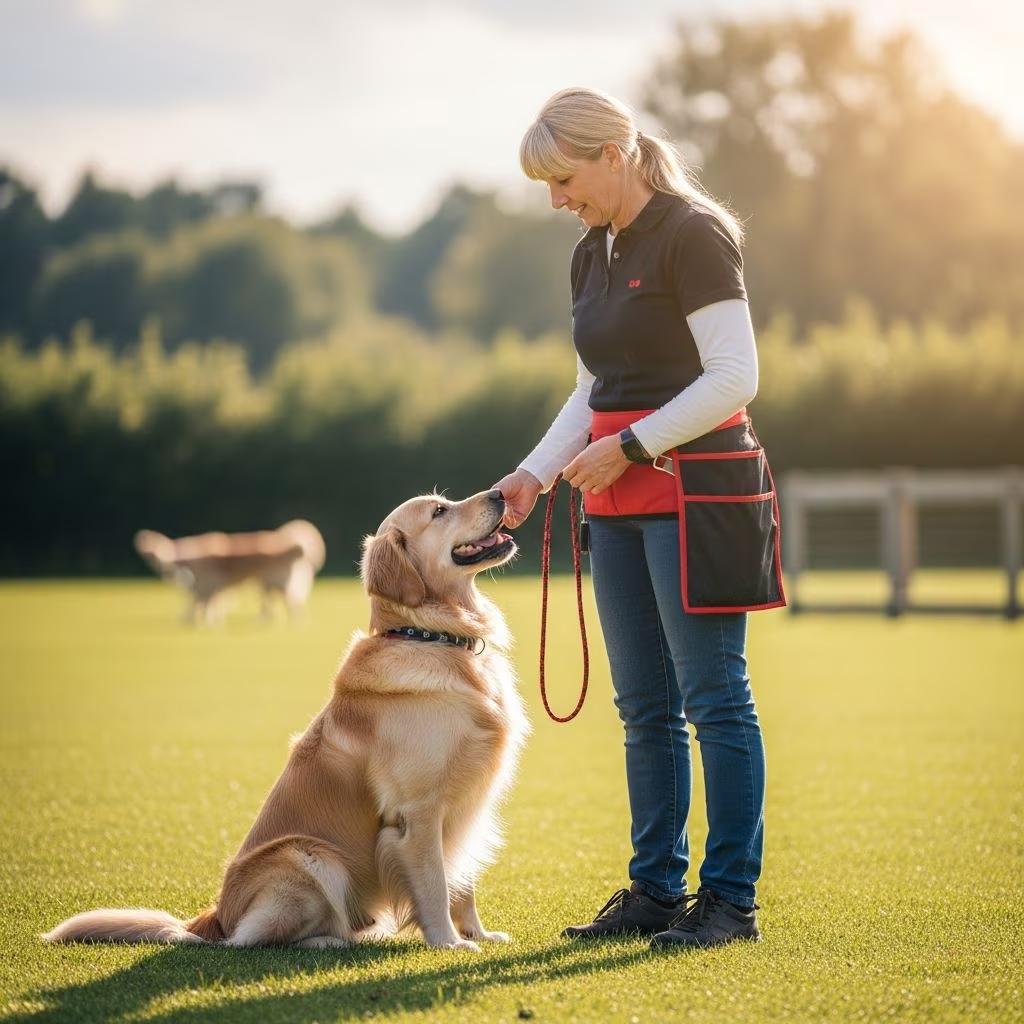
Older dogs can absolutely learn new behaviors and refine existing ones with the right approach. Adjusting training to account for their physical and cognitive changes leads to success and deeper companionship bonds.
Why Train Your Aging Canine Companion
Engaging senior dogs in training maintains their mental acuity and physical health. As dogs age, routine activities prevent cognitive decline similar to dementia in humans, while building confidence through achievements. Training addresses emerging issues like anxiety or incontinence, enhancing daily life quality. It also reinforces safety commands, reducing risks in unfamiliar settings. For adopted seniors, structured sessions foster trust and integration into new homes.
Essential Principles for Success
Positive reinforcement forms the foundation, using treats, toys, or praise immediately after desired actions to create positive associations. Consistency in cues and routines prevents confusion, vital as senses like hearing or sight may weaken. Patience accommodates slower learning paces, celebrating incremental progress to sustain motivation.
- Short Sessions: Limit to 5-15 minutes multiple times daily to match reduced stamina.
- Timing Rewards: Deliver treats within seconds of behavior for clear connections.
- No Punishment: Avoid scolding, which erodes trust and hinders progress.
Adapting to Physical and Sensory Changes
Senior dogs often face arthritis, reduced mobility, or sensory loss, requiring modifications. Introduce hand signals alongside verbal commands for hearing impairment; exaggerate gestures for visibility. Opt for low-impact exercises avoiding jumps. Veterinary clearance rules out medical causes for behavioral shifts before starting.
| Challenge | Adaptation | Benefit |
|---|---|---|
| Hearing Loss | Hand signals, vibrating collars | Maintains communication |
| Mobility Issues | Soft mats, no jumping | Prevents injury |
| Cognitive Decline | Simple steps, repetition | Boosts mental sharpness |
Core Commands for Everyday Practicality
Prioritize basics like sit, stay, come, and leave it for safety and convenience. Break complex skills into stages: for “come,” reward eye contact first, then approach. Practice in low-distraction areas, gradually increasing challenges. Leash training refines loose-leash walking without pulling, using treats to encourage position beside you.
- Introduce cue in quiet space.
- Mark success with clicker or word like “yes.”
- Repeat 5-10 times per session.
- Phase out treats intermittently.
Mental Exercises to Keep Minds Sharp
Beyond obedience, incorporate brain games to combat boredom and decline. Scent work leverages natural sniffing instincts; hide treats for searching. Puzzle toys dispense food upon manipulation, providing short, rewarding challenges. Rotate toys to sustain interest, integrating into daily routines for 10-minute bursts.
- Nosework: Scatter kibble in grass.
- Snuffle mats: Bury treats in fabric.
- Interactive feeders: Slow eating while engaging.
Addressing Common Behavioral Challenges
Seniors may develop house soiling or separation anxiety. For potty issues, establish frequent outdoor breaks post-meals, rewarding successes. Use confinement when unsupervised. Anxiety benefits from desensitization: short departures with treats upon return. Consult professionals for persistent problems.
Building Confidence in Rescue Seniors
Newly adopted older dogs need gentle introductions. Start with comfort-building: pair your presence with high-value rewards. Progress to crate training for security, using it for naps with toys inside. Socialization exposes them calmly to stimuli, rewarding calm responses.
Sample Weekly Training Schedule
| Day | Morning (5 min) | Afternoon (10 min) | Evening (5 min) |
|---|---|---|---|
| Monday | Sit/Stay | Scent game | Recall practice |
| Tuesday | Leash walk | Puzzle toy | Leave it |
| Wednesday | Rest/Observe | Hand signals | Sit/Stay |
| Thursday | Scent game | Recall | Leash manners |
| Friday | Leave it | Puzzle toy | Fun trick |
| Weekend | Review favorites | Park outing | Relax |
Fun, Low-Impact Tricks to Try
Teach paw shakes or spin using lures, fading to verbal cues. For “dance through legs,” guide with treats initially, marking passage. These build joy without strain, reinforcing bond through play.
Health and Vet Considerations
Monitor for pain or illness mimicking stubbornness. Annual checkups assess cognitive health; medications may aid focus. Hydration and joint supplements support participation.
FAQs
Can all senior dogs learn new tricks?
Yes, barring severe health issues, most can with adapted methods.
How often should I train my older dog?
Short sessions 2-4 times daily prevent fatigue.
What if my dog forgets old commands?
Repetition and multi-cue training (verbal/hand) refreshes skills.
Are treats essential for senior training?
High-value ones motivate, but vary with praise/toys.
When to seek professional help?
For persistent issues post-vet check, consult certified trainers.
References
- 10 Senior Dog Training Tips — Black Paw Dog Training. 2023. https://blackpawdogtraining.com/senior-dog-training/
- Can You Teach an Old Dog New Tricks? Training The Senior Dog — Just Food For Dogs. 2024. https://blog.justfoodfordogs.com/can-you-train-an-old-dog.html
- Can You Teach an Old Dog New Tricks? Senior Dog Training Tips — Hill’s Pet. 2023. https://www.hillspet.com/dog-care/training/senior-dog-training-can-you-teach-an-old-dog-new-tricks
- The Importance of Training Your Senior Dog — American Kennel Club. 2024-02-17. https://www.akc.org/expert-advice/health/training-your-senior-dog/



