

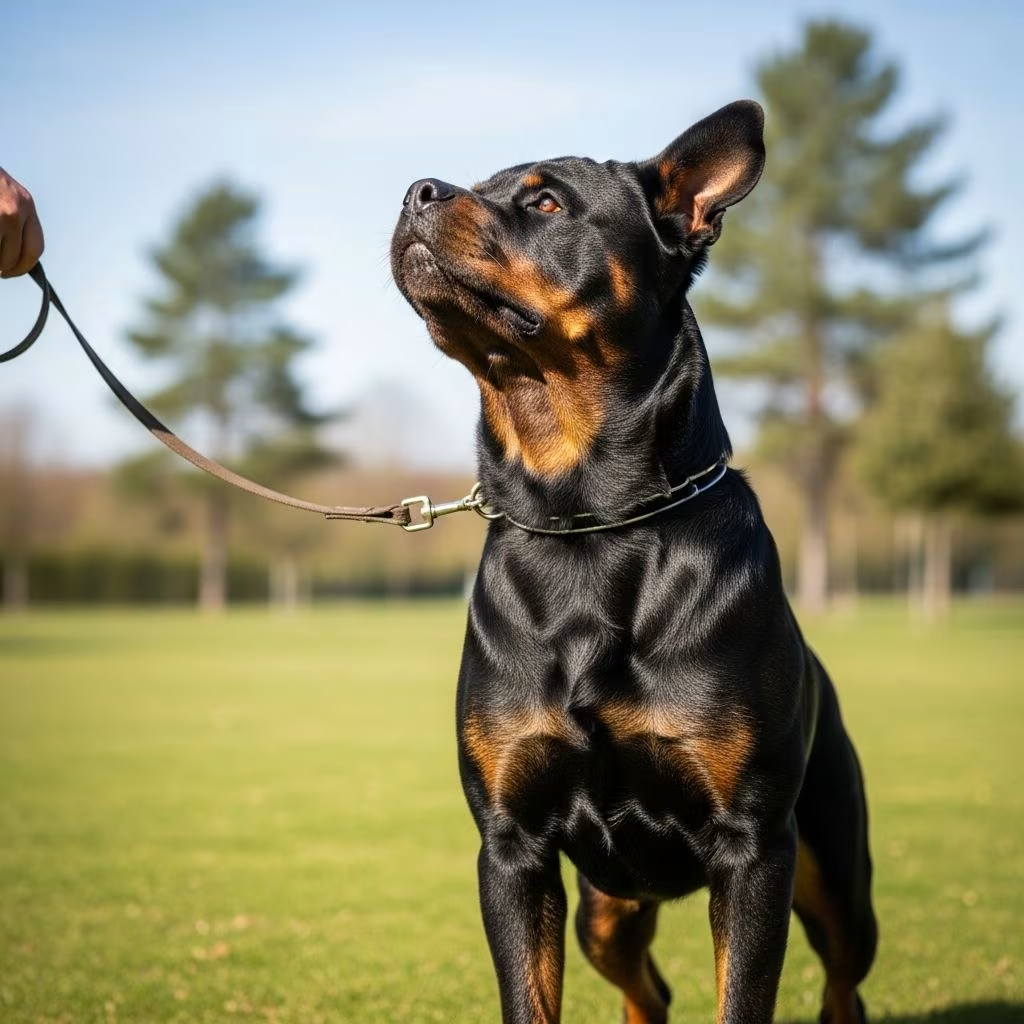
Rottweilers possess remarkable intelligence and a drive to please their owners, making them responsive to training when approached correctly. However, their independent streak and protective instincts require structured, patient methods to yield the best results.
The Unique Temperament of Rottweilers
Rottweilers are a working breed renowned for loyalty, strength, and vigilance. Their history as guard dogs instills natural wariness toward strangers and a bold personality that can appear stubborn without proper guidance. These dogs excel in roles demanding focus and power, but owners must channel these traits through consistent leadership.
Key characteristics include high energy levels and a need for mental engagement. Without outlets, they may develop restlessness or unwanted behaviors like chewing. Their eagerness to learn commands stems from an innate desire to work alongside humans, provided the training builds trust.
Why Positive Reinforcement Works Best
Positive reinforcement stands out as the premier approach for Rottweilers, rewarding desired actions with treats, praise, or play to encourage repetition. This method avoids fear-based tactics that could damage the vital human-dog bond, instead fostering enthusiasm for learning.
- Start with basics: Use a marker like a clicker or verbal cue followed by rewards to ‘charge’ the signal, teaching the dog that good choices lead to positives.
- Consistency matters: Apply the same rewards for the same behaviors across all family members to prevent confusion.
- Build gradually: Move from simple sits to complex sequences, always ending sessions on a high note.
This technique leverages their intelligence, turning sessions into enjoyable interactions that reinforce obedience and confidence.
Building a Strong Foundation: Puppy Training Essentials
Begin training Rottweiler puppies around seven weeks, focusing on relationship-building alongside basic needs like feeding and potty routines. Early intervention prevents dominance issues from their strong-willed nature.
Obedience forms the core: teach sit, stay, come, and heel using short, frequent sessions. Puppies respond well to operant conditioning, starting with positive reinforcement before introducing gentle corrections if needed.
| Command | Purpose | Training Tip |
|---|---|---|
| Sit | Impulse control | Lure with treat above nose, reward immediately. |
| Stay | Safety in distractions | Build duration slowly, 1-2 seconds at first. |
| Come | Recall reliability | Practice in low-distraction areas, use high-value rewards. |
| Heel | Leash manners | Keep treats at side to encourage position. |
Professional classes provide structured environments, accelerating progress through expert feedback.
Socialization: Preventing Protective Overreactions
Early and ongoing socialization is non-negotiable for Rottweilers to differentiate real threats from everyday encounters. Expose puppies to diverse people, dogs, sounds, and places between 8-16 weeks, when their brains are most receptive.
- Controlled puppy classes for safe interactions.
- Gradual introductions to new stimuli with rewards for calm responses.
- Daily variety: walks in parks, visits to friends, car rides.
Properly socialized Rottweilers become discerning guardians—alert but not aggressive toward innocents like mail carriers or guests. Neglect here risks fear-based reactivity.
Meeting Exercise Demands for Better Trainability
Rottweilers demand substantial physical and mental outlets to stay focused during training. A fatigued dog is more trainable, as excess energy otherwise fuels mischief.
Aim for 60-90 minutes daily: brisk walks, fetch, hiking, or agility. Incorporate brain games like puzzle toys or scent work to tire their sharp minds.
- Morning run or hike for physical release.
- Afternoon obedience drills with tricks.
- Evening calm play like tug-of-war.
Rotate activities to combat boredom, ensuring holistic development.
Addressing Common Challenges in Rottweiler Training
Handling Stubbornness and Independence
Perceived stubbornness is often a bid for clear leadership. Respond with firm consistency—no mixed signals—and positive motivation over force.
Managing Protective Instincts
Teach commands like ‘leave it’ or ‘quiet’ to redirect guarding impulses. Professional input helps tailor strategies for persistent cases.
Preventing Boredom-Induced Issues
Varied routines with obedience, sports, and toys keep engagement high, curbing destructiveness.
Advanced Training for Working Potential
Beyond basics, Rottweilers shine in tracking, agility, or protection sports. These build on obedience, demanding reliable listening amid distractions.
Enroll in specialized classes post-basic training. Their physical prowess and focus make them naturals, enhancing owner-dog partnership.
Family Involvement and Long-Term Consistency
Everyone in the household must enforce rules uniformly. Patience prevents frustration, as Rottweilers mirror owner calm.
Daily practice solidifies gains; lifelong reinforcement maintains polish. Rescues or adults follow similar protocols, adapted for prior experiences.
FAQs
Are Rottweilers good for first-time owners?
They suit committed novices willing to invest in training, but experienced handlers manage their power best.
How long do Rottweiler training sessions last?
10-15 minutes, multiple times daily, to match attention spans.
Can Rottweilers be trained off-leash?
Yes, with solid recall foundation and controlled environments.
What if my Rottweiler shows aggression?
Consult professionals; rule out medical issues first.
Best age to start training?
As early as 7 weeks, continuing lifelong.
References
- PetMD: Rottweiler Dog Breed Health, Care, and Training — PetMD. 2023. https://www.petmd.com/dog/breeds/rottweiler
- Unleashing The Guardian: Training A Rottweiler With Confidence and Care — CTODogTraining. 2024. https://www.ctodogtraining.com/unleashing-the-guardian-training-a-rottweiler-with-confidence-and-care/
- Understanding Rottweiler Behavior: Key Traits & Training Tips — Cape Cod Dog Center. 2024. https://capecoddogcenter.com/understanding-rottweiler-behavior-what-every-owner-should-know/
- Complete Rottweiler Training Guide — Exclusive Dog Training. 2023. https://exclusivedogtraining.com/complete-rottweiler-training-guide/
- Raising Rottweiler Breed Dogs: Training, Nutrition, & More — Sundays for Dogs. 2024. https://sundaysfordogs.com/blog/raising-rottweiler-breed-dogs-training-nutrition-more



