

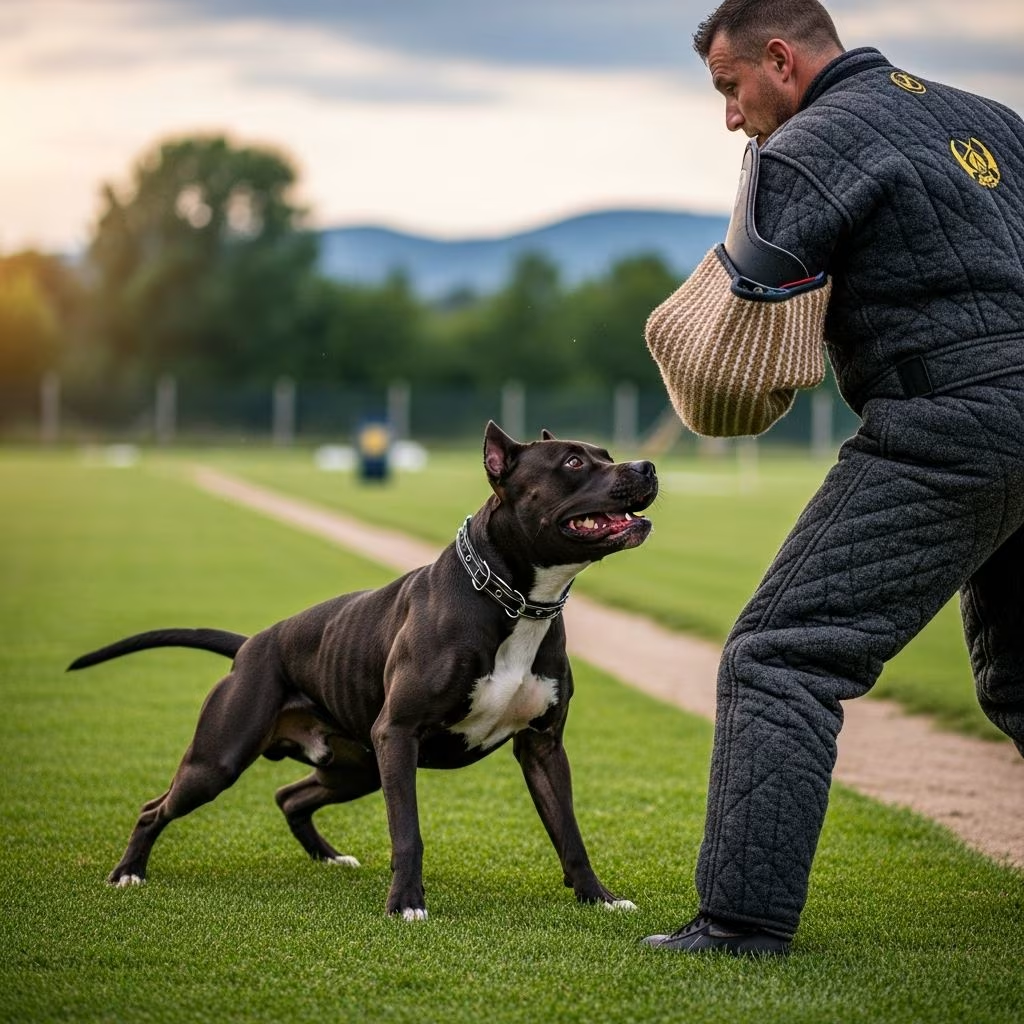
Pit Bulls possess remarkable strength, loyalty, and intelligence that make them excellent candidates for protection roles when trained correctly. Proper training transforms their natural alertness into controlled protective behavior, ensuring they safeguard your home and family without unnecessary aggression. This guide outlines a comprehensive approach using positive reinforcement, focusing on obedience, territorial awareness, and controlled responses.
Understanding the Pit Bull Temperament for Protection Work
Pit Bulls are often misunderstood due to their muscular build and historical breeding for strength, but they are inherently affectionate and eager to please. Their high energy and focus require structured training to channel protective instincts effectively. Key traits include resilience, playfulness, and a strong bond with owners, which form the foundation for guard dog development.
Genetics play a role in drive and prey motivation, but environment and consistent handling determine outcomes. Avoid punitive methods, as they can foster fear-based reactivity in these sensitive breeds. Instead, build confidence through rewarding desired behaviors, ensuring the dog remains stable around family and familiar faces.
Foundational Obedience: The Bedrock of Protection Training
Before introducing protection-specific exercises, master basic obedience. Commands like sit, stay, down, and recall prevent overreactions and ensure control in high-stakes situations.
- Start Early: Begin with puppies in group classes to promote socialization and learn commands amid distractions.
- Positive Reinforcement: Use treats, toys, or praise within seconds of compliance to associate obedience with rewards.
- Duration and Distraction: Gradually extend commands, such as holding a ‘place’ for an hour or heeling past strangers.
Enroll in obedience classes to expose your Pit Bull to varied stimuli, reducing fear responses and enhancing focus. A solid recall is vital, especially under breed-specific restrictions, teaching the dog to return reliably even when aroused.
Building Alertness with Bark Commands
Teaching a reliable bark on cue alerts you to potential threats without escalating to bites. This controlled vocalization is safer and more effective for most homes.
- Trigger Natural Barking: Use doorbells, knocks, or strangers at a distance to prompt barks naturally, then introduce ‘speak’ just before.
- Reward Promptly: Treat within three seconds to link the command. Practice daily in short sessions.
- Independent Barking: Fade the trigger, commanding ‘speak’ in quiet settings until reliable.
- Simulate Intrusions: Have unfamiliar people approach; command bark, then have them retreat while rewarding.
Practice with multiple people to generalize the response. This habituates the dog to bark at unknowns entering territory.
Mastering the ‘Quiet’ Command for Control
An effective protector quiets on command to avoid nuisance barking or escalation. Balance alerting with silence prevents legal issues and neighbor complaints.
- Wait for natural pauses in barking, say ‘quiet,’ and reward silence.
- Progress to commanding during barks, rewarding immediate stops.
- Combine with ‘speak’ for on/off control.
Consistent practice ensures the dog discerns real threats from normal activity, maintaining composure.
Territorial Conditioning: Defining Your Dog’s Domain
Pit Bulls excel at protecting defined spaces. Establish boundaries to focus their vigilance.
| Method | Purpose | Implementation |
|---|---|---|
| Perimeter Walks | Reinforce boundaries | Leash and evening walks around property edges. |
| Tether Training | Claim territory | Long leash in yard with water access; allow roaming. |
| Stranger Approaches | Test alertness | Direct attention to intruder; reward interest/barks. |
These steps make the area feel owned, prompting natural wariness toward outsiders. Rotate scenarios for reliability.
Enhancing Confidence and Calmness
Protection dogs must handle novelty without panic. Build optimism through games that reward resilient exploration.
- Noise Desensitization: Use ‘Noise Box’ or chaotic sounds, marking calm approaches with treats.
- Calmness Training: Teach an ‘off switch’ via relaxation games, fostering decision-making over arousal.
- Engagement Drills: Reward proximity and check-ins to prioritize you over distractions.
These prevent reactivity, ensuring protection stems from confidence, not fear.
Advanced Drive Building for Serious Protection
For dedicated roles, develop defensive drive cautiously, prioritizing obedience.
- Prey Work: Flirt poles, tug, or bite sleeves to build chase and bite motivation.
- Command Association: Pair ‘guard’ or ‘watch’ with intense play.
- Intensity Maintenance: Balance with obedience to avoid over-arousal.
Monitor for excessive seriousness; counter with more play. Professional trainers are recommended for bite work to ensure safety.
Socialization: Preventing Undesired Aggression
Expose your Pit Bull to diverse people, dogs, and environments positively. Reward calm interactions to differentiate friends from foes. Regular park visits and controlled introductions build discernment.
Common Pitfalls and How to Avoid Them
- Inconsistency: Mixed signals confuse; stick to one method.
- Punishment: Creates fear; use rewards only.
- Rushing: Months of practice needed; patience yields results.
- Neglecting Recall: Essential for off-leash control.
Legal and Ethical Considerations
Check local laws on guard dogs and breed restrictions. Liability insurance is advisable. Focus on deterrence over attack to minimize risks. Consult vets for health checks, as fit dogs train best.
Frequently Asked Questions
Can any Pit Bull become a guard dog?
Most can learn alerting with proper training, but genetics influence drive. Assess temperament early.
How long does training take?
Basic skills in weeks; reliable protection in months with daily practice.
Is professional help necessary?
For advanced work, yes, to ensure safety and technique.
Will this make my dog aggressive?
No, positive methods promote controlled protection, not aggression.
What equipment do I need?
Leashes, treats, toys, flirt pole; avoid prongs or shocks.
References
- How to Train a Pit Bull to be a Guard Dog — WagWalking. 2023. https://wagwalking.com/training/train-a-pitbull-to-be-a-guard-dog
- Busting Myths and Achieving Success: 5 Strategies to Train Pit Bulls — Absolute Dogs. 2024. https://absolute-dogs.com/blogs/gamechangers/busting-myths-and-achieving-success-5-strategies-to-train-pit-bulls-and-bully-breeds
- How to Train a Guard Dog — Fraternity K9. 2023. https://www.fraternityk9.com/new-blog/amxej6t9nen95aewklpwp6mx3y5m57
- Pit Bull Training Basics — PMAR Inc. 2022. https://www.pmarinc.org/pit-bull-training-basics/
- How to Train a Pitbull to Listen on Walks — Dog Gone Problems. 2023. https://www.doggoneproblems.com/train-a-pitbull-to-listen-daisy/



