Training a Needy Dog: Foster Independence
Help your clingy dog gain confidence and independence with proven training strategies and positive reinforcement techniques.
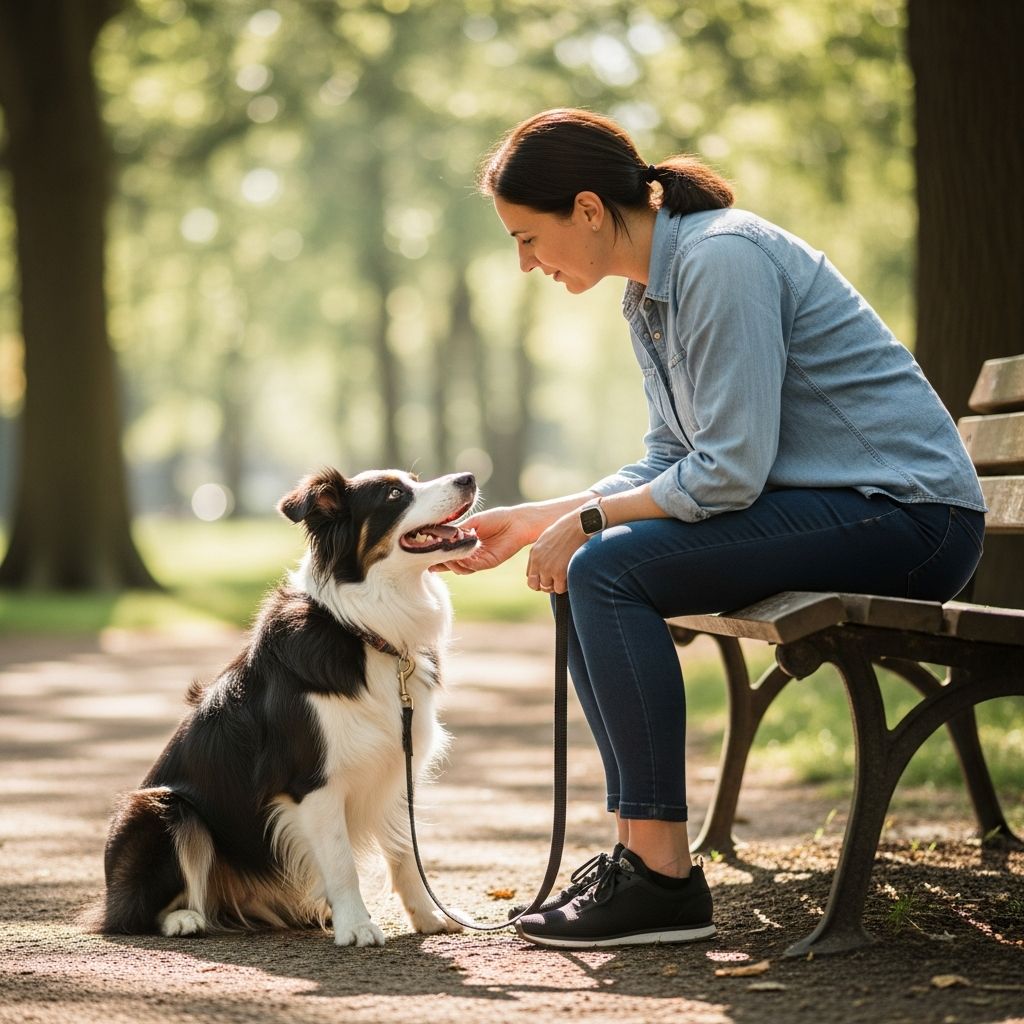
Many dog owners adore the constant companionship of their pets, but when a dog becomes overly needy or clingy, it can disrupt daily life and signal underlying issues. Needy behavior, such as constant following, whining, or distress when alone, often stems from a need for reassurance rather than true malice. Encouraging independence through structured training helps dogs feel secure while allowing owners more freedom. This guide covers why dogs act needy, prevention strategies for puppies, detailed training methods, and when to seek professional help, drawing from veterinary and behavioral expert insights.
Why Is Your Dog So Needy?
Dogs may follow their owners everywhere out of affection, curiosity, or anticipation of rewards like food, walks, or pets. This normal attachment can escalate into neediness if inadvertently reinforced, such as by responding to every whine or paw with attention. Stress, fear, or lack of confidence also plays a role; dogs view owners as a ‘secure base’ for protection, much like children with parents.
Environmental changes exacerbate clinginess. A move to a new home, family dynamic shifts, or loss can make dogs seek constant proximity for safety. Veterinary experts note that dogs unaccustomed to solitude or those with low self-confidence are particularly prone. Unlike casual following, true neediness involves persistent whining, pacing, or refusal to settle alone.
- Affectionate following: Puppy-like curiosity about your activities.
- Reward-seeking: Learned behavior from past attention.
- Anxiety-driven: Stress from changes or insecurity, leading to security blanket reliance.
Recognizing these roots is key. Rewarding calm independence prevents escalation, while ignoring needy displays breaks the cycle without punishment.
How to Prevent Neediness in Puppies and New Dogs
For recently adopted dogs or puppies, prevention is simpler than correction. Start with early socialization to build confidence through diverse experiences. Reward calm behavior and avoid fussing over departures or arrivals to normalize your absence.
Dr. Sabrina Kong emphasizes a well-rounded routine: ample exercise, social interactions, and mental stimulation reduce reliance on owners. Teach commands like ‘stay’ or ‘go to bed’ to normalize separation from the outset.
| Prevention Strategy | Benefits | How to Implement |
|---|---|---|
| Daily Exercise | Reduces pent-up energy causing clinginess | 30-60 minutes of walks, play, or fetch |
| Socialization | Builds confidence in varied settings | Controlled puppy classes or park visits |
| Basic Commands | Teaches self-control | Practice ‘stay’ 5-10x daily with treats |
| Calm Routines | Minimizes departure anxiety | No big goodbyes; ignore excited greetings |
Consistency is vital. A structured life prevents needy habits from forming, ensuring long-term emotional health.
How to Train Your Dog to Be More Independent
Training an adult needy dog requires patience and a desensitization-counterconditioning plan. Gradually increase alone time while rewarding calm, starting with seconds and building slowly—no rushing, as per expert advice.
Create a ‘Yes Space’
Designate a safe, dog-proof area like a gated room stocked with toys, beds, and chews where your dog can relax without supervision. Initially join them to build positive associations, then step away briefly. This fosters self-entertainment without interrupting independent play.
- Stock with durable toys, puzzle feeders, and comfy bedding.
- Practice 5-10 minute sessions, extending gradually.
- Use for tether training: secure dog to prevent hovering.
Teach Settle and Stay Skills
Train ‘settle on mat’ or ‘bed stay’ to promote relaxation away from you. Reward prolonged calm with treats and praise. Tethering (leashing to furniture) teaches boundaries gently.
Before sessions, meet basics: feed, potty, exercise, and connect via play or training to ensure needs are fulfilled.
Gently Manage Attention-Seeking
Treat requests for pets or play as optional. Pause, acknowledge (‘Want pets?’), then decide yes (engage) or no (redirect to bed calmly). Use a house leash for easy guidance without drama. Never interrupt solo play—let independence thrive.
- Observe dog approaching for attention.
- Respond neutrally: ‘Not now’ and guide to mat.
- Build sessions from 5 minutes up.
Positive reinforcement trumps punishment. Enroll in classes for structured guidance.
Separation Anxiety in Dogs
Clinginess often signals separation anxiety, marked by distress alone: whining, barking, destruction. Unlike mild neediness, it persists intensely.
Symptoms include:
- Extreme panic at departures.
- Destructive chewing or escaping.
- House soiling when alone.
- Excessive greetings upon return.
Treatment mirrors independence training: desensitize to cues (keys, door), use calming aids if vet-approved, and countercondition with treats during practice absences. Progress at dog’s pace.
Building Confidence Through Enrichment
Enrich your dog’s world to boost self-assurance. Rotate toys, use food puzzles, and provide scent games. Mental work tires them mentally, reducing clinginess.
- Puzzle Toys: Dispense kibble slowly.
- Scent Work: Hide treats for sniffing.
- Training Games: New tricks daily.
Exercise like agility or fetch builds physical confidence, complementing behavioral changes.
Common Mistakes to Avoid
Owners often reinforce neediness unwittingly:
- Caving to whines with attention.
- Fussing over hellos/goodbyes.
- Interrupting independent moments.
Avoid speed; rushed training backfires. Track progress in a journal for adjustments.
Professional Help and When to Seek It
If DIY fails or anxiety is severe, consult vets or certified trainers. Rule out medical issues first. Pros tailor desensitization plans and use tools like behaviorists for trauma cases.
Vet behaviorists (DACVB) offer meds if needed alongside training.
Frequently Asked Questions (FAQs)
Can professional training help with a clingy dog?
Yes, certified trainers build confidence via customized programs, reducing clinginess through mental stimulation and skills.
Is clingy behavior a sign of separation anxiety?
It can be, especially with distress signs like barking or destruction when alone. Consult a vet for diagnosis.
How long does training take?
Varies by dog; go at their pace with no fixed timeline. Weeks to months with consistency.
What if my dog regresses?
Reduce duration, reinforce basics, and ensure needs are met. Seek pro help if persistent.
Are some breeds more needy?
Velcro breeds like Labs or Shepherds may cling more, but training helps all.
References
- Recognizing and Addressing Needy Dog Behavior — Kinship. 2023. https://www.kinship.com/dog-behavior/training-needy-dog
- Clingy Dog? How to Build Independence — Instinct Dog Training. 2023. https://www.instinctdogtraining.com/clingy-dog-foster-independence/
- Why Is My Dog Being Clingy? — Kinship. 2023. https://www.kinship.com/dog-behavior/why-is-my-dog-being-clingy
- Recognizing Abnormal Canine Stress and Dog Anxiety — PetHub (Veterinary Behavioral Guidelines). 2022. https://www.pethub.com/articles/242692/recognizing-abnormal-canine-stress-and-dog-anxiety
- AVSAB Position Statement on Puppy Socialization — American Veterinary Society of Animal Behavior (.org primary source). 2008 (authoritative standard). https://avsab.org/wp-content/uploads/2018/03/Puppy_Socialization_Position_Statement_Download_-_10-3-14.pdf
Similar Articles







Read full bio of medha deb