

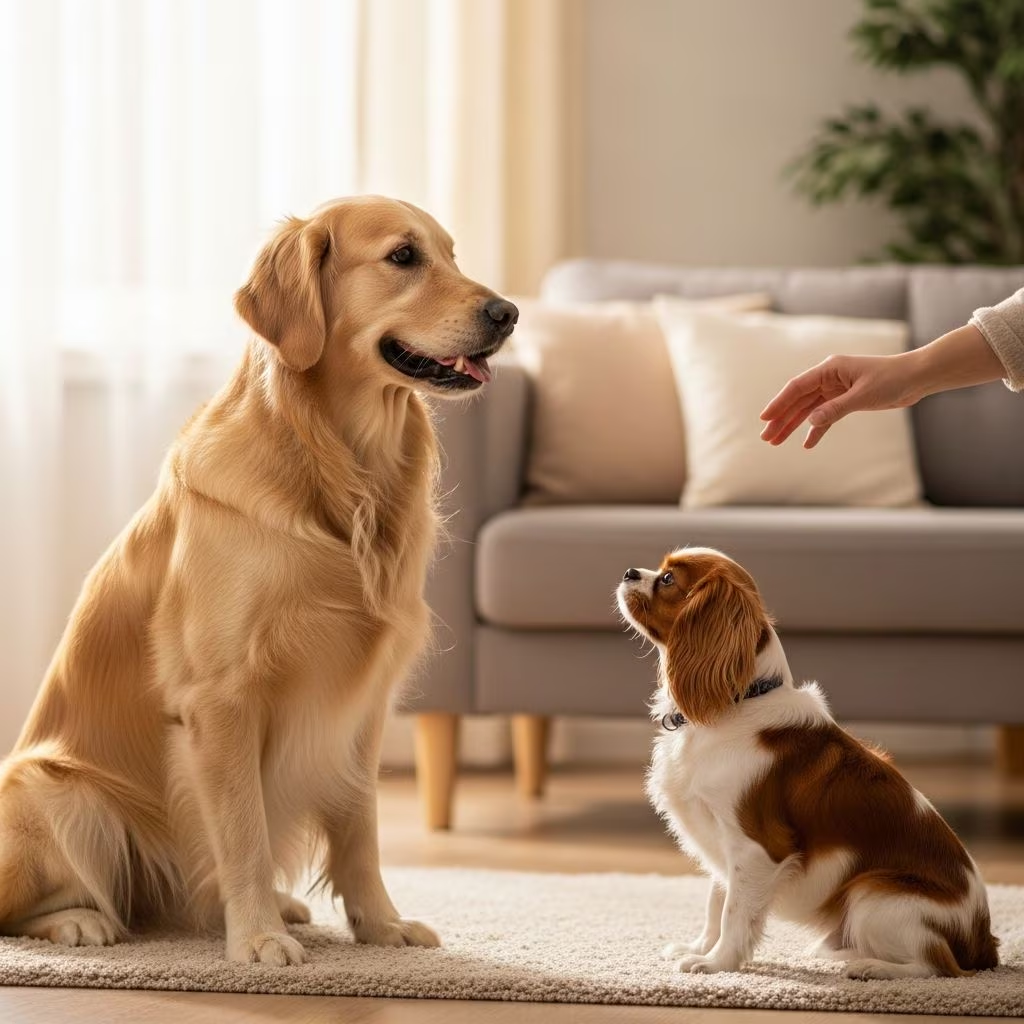
Training Your Dog to Welcome Pet Guests: A Comprehensive Guide
Welcoming a visiting dog into your home can be an exciting opportunity for your pet to make new friends and enjoy social interaction. However, not all dogs are naturally comfortable with canine visitors. Whether you’re preparing for a playdate, a friend’s overnight visit, or a family gathering with other pets, proper preparation and training can make all the difference in ensuring a positive experience for everyone involved. By implementing strategic training techniques and understanding your dog’s social needs, you can help transform your pet into a gracious host that welcomes visiting dogs with confidence and calm behavior.
Understanding Your Dog’s Social Needs
Dogs are inherently social animals with an innate desire to interact with other dogs and people. However, this doesn’t mean every dog naturally knows how to welcome guests appropriately. Some dogs may feel anxious, territorial, or overly excited when meeting new canine visitors. Understanding your individual dog’s personality, past experiences, and comfort level with other dogs is the first step in preparing them to welcome pet guests. Dogs that have had positive socialization experiences early in life tend to adapt more easily to new social situations, while dogs with limited exposure may require more gradual and careful introduction protocols.
Pre-Visit Preparation: Setting the Foundation
Assessing Your Dog’s Readiness
Before inviting another dog into your home, evaluate your dog’s current behavior and training level. A dog that jumps on people, pulls excessively on the leash, or displays territorial behaviors during walks may need foundational obedience work before meeting visiting pets. Focus on teaching essential commands such as “sit,” “stay,” “come,” and “leave it.” These basic skills provide the framework for managing your dog’s behavior during guest arrivals and interactions.
Creating a Safe and Neutral Space
Prepare your home by establishing a calm, organized environment before the visiting dog arrives. Remove toys, chews, and other high-value items that might trigger possessive behaviors. Set up a designated area where each dog can have their own space if needed, complete with water bowls, comfortable bedding, and safe retreat zones. This prevents resource guarding and gives anxious dogs a place to decompress if social interaction becomes overwhelming.
The Towel Exchange: Familiarizing Your Dog With New Scents
Dogs rely heavily on their sense of smell to understand their world, and unfamiliar dog scents can seem strange or even threatening to them. One of the most effective pre-introduction techniques is the towel exchange method. This simple yet powerful strategy helps your dog become familiar with the visiting dog’s scent before any face-to-face meeting occurs.
To perform a towel exchange, place soft towels or blankets in the beds of both dogs several days before the planned visit. As each dog sleeps on their designated towel, their unique scent transfers onto the fabric. After one or two nights, swap the towels between the two dogs’ beds. Continue switching these same towels back and forth without washing them for several days before the introduction. This process allows your dog to gradually become accustomed to the visiting dog’s scent in a non-threatening, controlled manner. By the time the dogs meet in person, your dog will have already developed familiarity with the visiting dog’s scent profile, significantly reducing anxiety and facilitating a smoother introduction.
Outdoor Introduction Protocol: Step-by-Step Process
Step 1: Begin With a Walking Session
The first face-to-face introduction should take place in a neutral outdoor location rather than your home. This prevents territorial responses and gives both dogs an opportunity to interact in an environment where neither feels protective. Have two handlers present—one for each dog. Begin by walking the dogs separately about 20-30 feet apart, moving in the same direction. This allows the dogs to become aware of each other while maintaining a comfortable distance and focusing on their handlers.
Step 2: Gradually Decrease Distance
Once both dogs appear calm and focused on walking, gradually reduce the distance between them. Maintain a pace that keeps both dogs relaxed, with loose leashes that don’t restrict movement or create tension. If either dog shows signs of stress—such as stiff body posture, rapid panting, or pulling—increase the distance again and slow your approach. Use high-value treats to reward calm behavior, reinforcing that proximity to the other dog results in positive experiences.
Step 3: Practice Directional Changes
Once the dogs are walking calmly side-by-side or in close proximity, practice walking in different directions. Have the handler of the dog in front turn around and walk the opposite direction, which moves that dog to the rear. This positional change helps the dogs adjust to different orientations and prevents either dog from feeling confrontational. Continue practicing directional changes while maintaining treats and positive reinforcement for calm behavior throughout these transitions.
Step 4: Allow Rear-End Sniffs
Dogs naturally greet each other by sniffing rear ends—this is their primary way of gathering information about other dogs. Once both dogs are walking calmly near each other, allow the dog walking behind to move forward slightly and sniff the rear end of the dog in front. While this sniffing occurs, the handler of the dog being sniffed should continuously feed that dog treats to maintain focus and prevent any tension or discomfort. After approximately three seconds, gently coax the sniffing dog away using treats. Then reverse the process so the other dog gets an opportunity to sniff. Repeat this sequence three times, keeping each sniff session brief and positive. If either dog displays signs of anxiety or discomfort during this phase, return to the previous step and continue practicing until both dogs seem genuinely comfortable.
Step 5: Execute the “Flyby” Greeting
Once both dogs have successfully completed rear-end sniffs, progress to what trainers call a “flyby”—a brief greeting where the dogs approach and pass each other. Begin by positioning the dogs approximately 15 feet apart, facing each other. If both dogs appear relaxed, each handler should hold their leash loosely and take a few steps toward the other dog, feeding treats continuously to maintain focus and positive association. As the dogs get close enough to touch, allow them to greet for approximately three seconds, then continue walking past each other in opposite directions. Use treats if needed to lure the dogs apart. Repeat this flyby exercise three times, ensuring both dogs remain calm throughout. Once this progression goes smoothly, practice having both handlers walk side-by-side with the dogs, so the dogs are walking in the same direction rather than facing or passing each other.
Indoor Introduction: Extending the Experience
Transitioning to Home Environment
After successfully completing outdoor introductions and flybys, you’re ready to bring the interaction into your home or fenced yard. This transition requires careful management to prevent territorial behaviors or overstimulation. Have one handler wait approximately 15 feet from the entrance with their dog on-leash. The other handler should walk their dog into the space first, moving as far from the entrance as possible while continuously feeding treats. This rewarding of exploration helps the first dog become comfortable and focused on sniffing the environment rather than the incoming visitor. If this is your own home, allow the visiting dog to enter first to prevent territorial responses from your resident dog.
Controlled Indoor Interaction
Once the first dog is settled at the far end of the space, the second handler can walk their dog in, stopping just inside the entrance and also offering treats. Walk both dogs around the space, feeding treats and allowing them to sniff while maintaining their focus on their handlers and interesting scents rather than on each other. Repeat the following and sniffing exercises indoors, ensuring both dogs remain consistently relaxed. If all interactions have gone well up to this point, handlers can drop the leashes and let them drag on the ground as the dogs wander and greet each other naturally.
Managing Off-Leash Interaction
When both dogs are off-leash and greeting each other, allow interaction for approximately 30 seconds before calling them apart and offering treats as a reward for responding to your command. Then allow them to resume interaction and exploration. If you notice any tension—such as stiff body postures, raised hackles, or aggressive vocalizations—immediately call both dogs to you and gently use the dragging leashes to separate them if necessary. If the dogs remain calm throughout these interactions, gradually extend the interaction duration from 30 seconds to longer periods of 10-15 minutes as their comfort increases.
Managing Common Challenges
Territorial Behavior
Some dogs display territorial responses to visitors, particularly in their own homes. If your dog shows territorial behavior, spend extra time on outdoor introductions before attempting indoor meetings. Practice repeated visits to neutral outdoor locations before inviting the visiting dog into your home. Additionally, remove high-value items like toys and bones that might trigger possessive responses.
Excessive Excitement
Dogs with high energy levels may become overstimulated when meeting new playmates. Ensure your dog has adequate exercise before the introduction, as a tired dog is typically a calmer dog. Break interactions into shorter sessions with play breaks in between to prevent overstimulation.
Anxiety and Fearfulness
Dogs with anxiety may need extended preparation periods and slower progression through introduction steps. Don’t rush the process—move at your dog’s pace and celebrate small victories. Consider consulting a professional trainer if anxiety appears severe or prevents progress.
Essential Obedience Skills for Welcoming Guests
A well-trained dog is a welcomed dog. Before hosting visiting dogs, ensure your pet has solid mastery of fundamental obedience commands. Teaching your dog to sit, stay, come reliably, and to respond to an “off” command prevents jumping on guests and helps manage excitement during arrivals and departures. Practice these commands in various environments and distraction levels so your dog responds consistently regardless of the situation. Dogs that can follow basic directions make better houseguests and are more likely to be invited back for future playdates.
Treat Management and Reward Strategies
High-value treats play a crucial role in successful dog introductions, but treat management is equally important. Provide small, bite-sized treats that won’t overfill your dog or the visiting dog. Be strategic about treat timing, using them specifically to reward calm behavior, successful command responses, and peaceful interactions with the visiting dog. Consider preparing treat baggies in advance and having them readily available during all introduction phases. Some training professionals recommend giving visiting dogs’ handlers a supply of pre-approved treats that they can use to reward positive interactions, creating additional positive associations with the visiting dog’s presence.
Post-Visit Routine and Future Playdates
After a successful introduction and visit, don’t consider the work complete. Subsequent visits should follow a similar progression to ensure consistent positive outcomes. Begin each visit with a short walk together to confirm both dogs can still relax around each other. If that goes well, proceed with on-leash following, sniffing, and flybys before removing leashes. This repetition reinforces positive behavior patterns and prevents regression. As dogs become more accustomed to each other through multiple visits, you can gradually reduce formality in your introduction protocol and allow more natural interaction.
When to Seek Professional Help
Not all dogs progress at the same pace, and some behavioral issues may require professional intervention. If your dog displays signs of aggression, extreme anxiety, or refuses to progress through introduction stages despite consistent practice, consult a certified professional dog trainer or veterinary behaviorist. These experts can assess your individual dog’s situation and recommend customized training protocols tailored to your pet’s specific needs and challenges.
Frequently Asked Questions
Q: How long should I wait after getting my dog before inviting visiting dogs to my home?
A: Wait until your dog is fully settled and comfortable in your home, typically after 2-4 weeks. Additionally, your dog should have completed initial vaccinations and veterinary assessments. The adjustment period varies by individual dog, so prioritize your dog’s comfort level.
Q: What if my dog has had negative experiences with other dogs in the past?
A: Dogs with previous negative experiences require extra patience and professional guidance. Work with a certified trainer to develop a customized introduction plan. Extended preparation periods and very gradual progressions may be necessary to rebuild your dog’s confidence in social situations.
Q: Can puppies participate in these introduction protocols?
A: Yes, introducing puppies to other dogs using these methods is excellent for socialization. However, ensure the visiting dog is appropriately sized and temperament-matched for safe interaction with a young puppy. Always supervise closely and keep sessions brief.
Q: How often should I practice introducing my dog to new dogs?
A: Regular social interaction is beneficial for most dogs’ development. Aim for at least one introduction or playdate every 2-4 weeks if your dog enjoys social contact. Frequency can be adjusted based on your dog’s individual preferences and comfort level.
Q: What should I do if the visiting dog behaves aggressively toward my dog?
A: Immediately separate the dogs using the dragging leashes if necessary. End the visit and discuss the incident with the visiting dog’s owner. Future visits may not be advisable unless the visiting dog’s behavior is addressed with professional training.
Q: Is there a specific age when dogs are better at welcoming other dogs?
A: Dogs of any age can learn to welcome visiting pets, but younger dogs often adapt more quickly to new social experiences. However, older dogs that have had positive socialization histories also welcome new dog friends successfully. Age matters less than individual temperament and prior experience.
Q: Should I allow my dog and visiting dog to play unsupervised?
A: Never leave dogs unsupervised during early visits. Even after multiple positive interactions, supervise all playtime to prevent conflicts over toys, treats, or personal space. Supervision ensures quick intervention if tensions arise.
References
- How To Introduce Dogs — Chewy. 2024. https://www.youtube.com/watch?v=tR1-wRQ188k
- How to Introduce Dogs so They’ll Be Besties for Life — Chewy Education. 2024. https://www.chewy.com/education/dog/training-and-behavior/doggie-play-date-etiquette-how-to-introduce-pets-successfully
- Dog Etiquette Tips for Staying at Someone’s House with Your Pet — Chewy Education. 2024. https://www.chewy.com/education/dog/training-and-behavior/dog-etiquette-tips-for-staying-at-someones-house-with-your-pet
- Pet Etiquette for Dog-Friendly Places — Chewy Education. 2024. https://www.chewy.com/education/dog/training-and-behavior/pet-etiquette-for-dog-friendly-places
- The Ultimate Emily Post Holiday Petiquette Guide — Chewy Education. 2024. https://www.chewy.com/education/cat/training-and-behavior/emily-post-holiday-petiquette



