

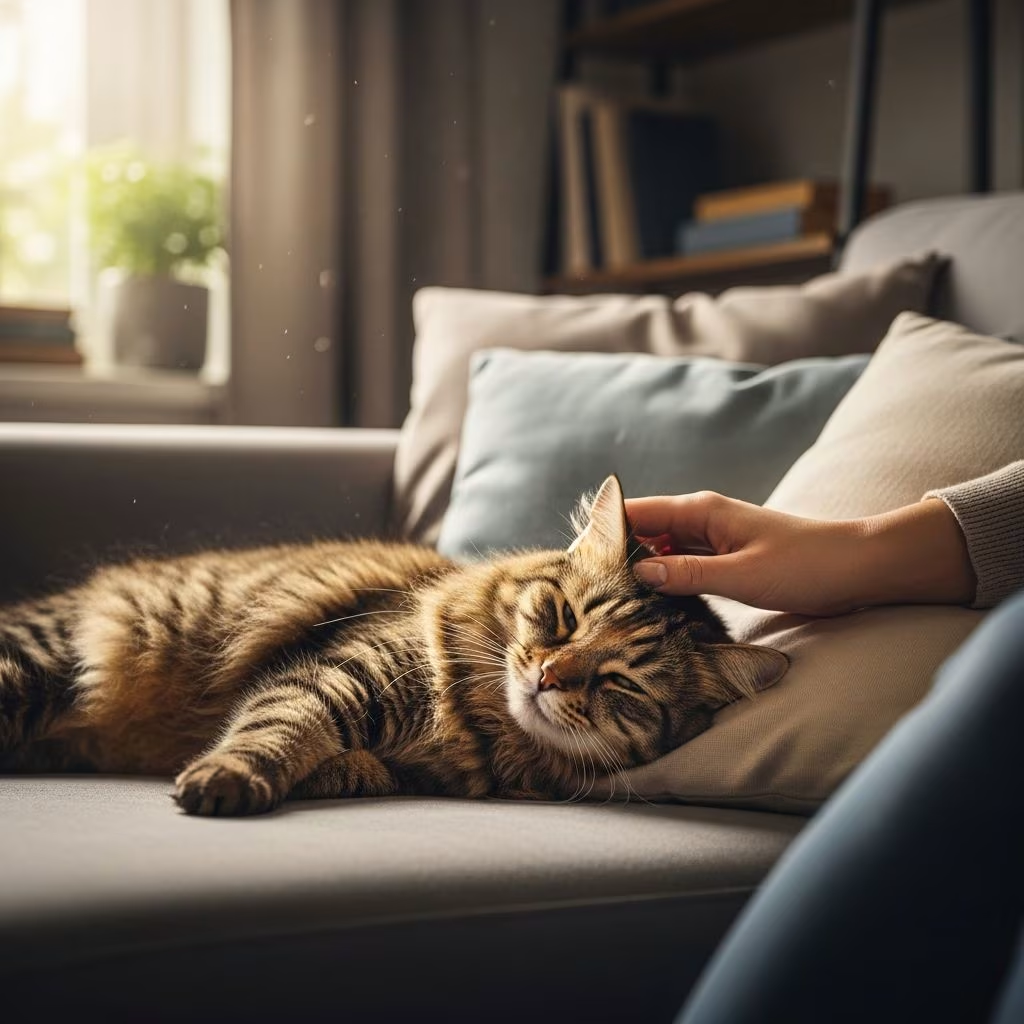
Many cat owners experience frustration when their feline companions resist being picked up or held. Unlike dogs, cats are naturally independent animals that prefer to control their interactions with humans. However, with patience, understanding, and the right approach, it is possible to help your cat develop a more positive relationship with being held. This transformation requires recognizing your cat’s emotional needs, learning proper handling techniques, and implementing consistent training strategies based on positive reinforcement.
Understanding Feline Independence and Physical Contact Preferences
Cats are fundamentally different from other pets when it comes to physical interaction. As prey species in the wild, cats possess an instinctive wariness about situations where they might feel confined or unable to escape. When a cat is held in human arms, they may experience a sense of vulnerability that triggers stress responses, even if the person holding them means no harm.
The key to changing your cat’s perspective on being held lies in understanding that cats interact with their environment and the humans around them on their own terms. They are observant creatures that carefully assess whether a situation feels safe and whether they have control over it. By respecting these natural instincts and building trust gradually, you create the foundation for more positive interactions.
Recognizing When Your Cat Is Ready for Interaction
Before attempting to pick up or hold your cat, you must first learn to read their behavioral signals. Cats communicate their emotional state through specific body language cues that indicate whether they are receptive to physical contact.
Positive Indicators of Interest
- Upright posture: A cat standing with their body relaxed and balanced suggests they are feeling confident and potentially open to interaction
- Alert ears: Perky, forward-facing ears indicate curiosity and a calm mental state
- Direct eye contact: When a cat looks at you with soft, relaxed eyes or slowly blinks, they are communicating trust and comfort
- Approaching behavior: If your cat walks toward you and rubs against your legs or hands, they are actively seeking your attention and affection
- Purring and head bunting: These behaviors demonstrate that your cat is in a positive emotional state and comfortable in your presence
Signs Your Cat Needs Space
- Flattened ears: Ears pinned back against the head signal fear, irritation, or discomfort
- Dilated pupils: Enlarged pupils often indicate stress or anxiety
- Tail swishing or thrashing: Rapid tail movements suggest agitation or frustration
- Hissing or growling: These vocalizations are clear warnings that your cat wants distance
- Crouching or hiding: A cat that is trying to make themselves smaller or moving away is not interested in handling
Mastering the Correct Technique for Lifting and Holding
Once you have confirmed that your cat is receptive to interaction, proper handling technique becomes essential. Incorrect holding methods can cause physical discomfort, increase anxiety, and reinforce negative associations with being picked up.
Step-by-Step Lifting Process
- Approach calmly and deliberately: Move slowly and predictably toward your cat, avoiding sudden or jerky movements that might startle them
- Position yourself appropriately: Crouch or kneel to reduce your height and make yourself appear less intimidating. This also allows your cat to see you approaching at their level
- Extend your hand for assessment: Before lifting, hold out a relaxed, open hand and allow your cat to sniff you. This gives them control over whether contact begins
- Position your hands correctly: Slide one hand beneath the cat’s chest, positioning it just behind their front legs. Place your other hand under their hindquarters to support their rear end
- Lift smoothly: Use both hands to distribute the cat’s weight evenly. Lift gradually and smoothly rather than quickly or abruptly
- Hold securely but gently: Keep your cat nestled against your chest in a way that feels secure but never restrictive. Your arms should provide support without squeezing
- Lower carefully: When returning your cat to the ground, reverse the process by lowering them slowly onto a stable surface
The Critical Importance of Proper Support
Many cats resist being held because they feel unsupported or unstable in their handler’s arms. Dangling hind legs, uneven weight distribution, or inadequate chest support can create genuine fear that this experience will end in a fall or injury. By ensuring that your cat’s entire body is properly supported, you eliminate one of the primary reasons they might struggle against being held.
All cats, regardless of size, should be held with two hands. This dual-hand approach allows you to maintain balanced support and respond quickly if your cat shows signs of distress. Your body position also matters—holding your cat close to your center of gravity provides them with additional stability and makes them feel less vulnerable.
Gradual Desensitization: The Foundation of Training
For cats that have developed a strong aversion to being held, attempting to pick them up immediately may backfire and reinforce their negative associations. Instead, a gradual desensitization program allows your cat to build positive associations with the sensations and circumstances involved in being held.
Phase One: Comfort with Touch
Begin by spending time gently petting your cat while they are in a relaxed state—sitting or lying down in a comfortable location. Focus on areas they typically enjoy being touched, such as their head, cheeks, and the sides of their body. During these sessions, use a calm, soothing voice and maintain a relaxed posture yourself, as cats are sensitive to your emotional state.
Phase Two: Extended Contact Simulation
Gradually extend the duration and area of contact. Begin moving your hands in patterns similar to how you would position them when picking up your cat. Allow your hands to rest in holding positions while your cat remains on the ground. The goal is to help your cat become accustomed to the sensation of your hands in specific places without the additional stress of actually being lifted.
Phase Three: Minimal Elevation
Once your cat shows no sign of stress during extended contact, gently lift them just a few inches off the ground. Hold them for only a few seconds before lowering them back down. This minimal elevation helps your cat experience being off the ground in a low-stress environment where they can quickly return to solid ground if needed.
Phase Four: Progressive Duration
Gradually increase both the height at which you hold your cat and the duration of each holding session. Progress only when your cat demonstrates calm, relaxed behavior. If your cat shows signs of stress, return to the previous phase and remain there until they are completely comfortable before advancing.
Positive Reinforcement: Creating Rewarding Associations
The most effective training strategy for teaching cats to enjoy being held involves positive reinforcement. This approach creates new neural pathways in your cat’s brain that associate being held with pleasant outcomes rather than stress or discomfort.
Identify high-value treats that your cat genuinely loves. These should be special rewards used only during training sessions, making them particularly valuable as incentives. Whenever your cat allows you to touch them, handle them, or hold them without showing signs of stress or resistance, immediately provide one of these treats along with verbal praise.
Training Protocol
- Select a quiet, familiar environment where your cat feels safe and relaxed
- Begin by gently touching your cat’s shoulders and immediately rewarding this acceptance
- Progress to touching their chest area, then their hind legs, each followed by a treat
- Move your hands into holding positions around your cat’s body while they are on the ground, rewarding compliance
- Lift your cat briefly and reward them while you are holding them
- Gradually extend holding duration as long as your cat remains calm
Creating an Environment That Supports Comfort
Your cat’s overall sense of security and trust in their environment significantly influences their willingness to be held. Cats that feel anxious, threatened, or unsafe in their home are much less likely to relax when being held, regardless of technique.
Environmental Factors That Promote Security
- Establishing a consistent daily routine that your cat can predict and rely on
- Ensuring your cat has access to vertical spaces, hiding spots, and safe retreats
- Being the primary person responsible for feeding your cat, which builds positive associations
- Dedicating specific times each day for calm, quiet interaction alongside energetic play sessions
- Using familiar scents, such as favorite blankets, to create comforting associations
Critical Mistakes to Avoid
Even well-intentioned owners can inadvertently damage their cat’s comfort with being held by making preventable mistakes.
| Mistake | Why It’s Harmful | Better Approach |
|---|---|---|
| Ignoring body language signals | Communicates that your cat’s preferences don’t matter; increases stress and can lead to scratching or biting | Continuously monitor your cat’s signals and respect their communication |
| Forcing prolonged holding sessions | Creates anxiety and teaches your cat that resistance is futile, worsening aversion | Keep initial sessions very brief and gradually extend duration only with willing participation |
| Placing cats on unstable surfaces | Creates legitimate fear of falling and injury, reinforcing negative associations | Always lower your cat onto solid, stable ground that cannot shift or collapse |
| Using sudden movements | Triggers the prey response and startle reflex; teaches your cat to anticipate danger | Move slowly and predictably; avoid sudden changes in position or direction |
| Restraining escape attempts | Intensifies panic and can cause your cat to develop long-term avoidance behaviors | Allow your cat to leave if they struggle; respect their desire for freedom |
Special Considerations for Different Life Stages
Kittens: The optimal time to teach cats comfort with being held is during their socialization period, between two and seven weeks of age. During this developmental window, their brains are particularly receptive to learning that human handling is safe and positive. Gentle introduction to being picked up during this period can establish lifelong comfort with physical affection.
Adult cats: Cats adopted as adults or those with previous negative experiences require more patience but can still learn to enjoy being held. The same principles of gradual desensitization and positive reinforcement apply, though the process may take longer.
Senior cats: Older cats may have physical limitations or discomfort that makes being held unpleasant. Always consider whether arthritis, joint pain, or other health issues might be contributing to their resistance, and consult with your veterinarian if you suspect physical causes.
When to Seek Professional Help
If your cat shows extreme fear responses, aggression, or refuses to make any progress despite consistent, patient training efforts, consult with a certified animal behaviorist or trainer. Some cats may have experienced trauma or have behavioral conditions that require professional intervention. Your veterinarian can also rule out medical causes for behavioral changes or resistance to handling.
Building a Stronger Bond Through Understanding
Teaching your cat to enjoy being held is fundamentally about building trust and deepening your relationship. This process requires you to prioritize your cat’s emotional well-being over your own desire for physical affection. By respecting their boundaries, using gentle techniques, and creating positive associations, you transform being held from a stressful experience into an opportunity for bonding.
Remember that some cats, even with excellent training and handling, may never become lap cats. This is completely normal and does not reflect either your abilities as an owner or your cat’s affection for you. Cats show love in diverse ways—through head bunting, slow blinks, following you from room to room, and bringing you gifts. If your cat never becomes comfortable with being held, they can still be deeply bonded to you through other forms of interaction that feel natural to them.
References
- How To Properly Pick Up a Cat and Make Them Feel Comfortable — Rover. https://www.rover.com/blog/how-to-hold-a-cat/
- How Should I Pick Up My Cat? The Best Way To Hold A Cat — Class Act Cats. https://classactcats.com/blog/how-to-hold-a-cat/
- How to pick up a cat — Cats Protection. https://www.cats.org.uk/cats-blog/how-to-pick-up-a-cat
- How To Train Your Kitten to be a Lap Cat, 9 Tips — Feliway. https://us.feliway.com/blogs/news/how-to-train-your-kitten-to-be-a-lap-cat-9-tips
- Teach Your Cat To Enjoy Being Picked Up — Cat School Clicker Training, YouTube. June 20, 2021. https://www.youtube.com/watch?v=ndjk7M96vDk



