

How to Train Your Cat to Use the Bathroom Outside
Kitty litter has revolutionized the way cats live with us indoors, often requiring minimal effort from cat parents during the training phase. However, the constant need to scoop pee and poop from a litter box becomes tedious and time-consuming. Additionally, some cats experience litter box problems that result in inappropriate elimination, creating stinky and messy accidents throughout your home. As an alternative to traditional indoor litter boxes, teaching your cat to use the bathroom outdoors can solve these issues while providing your feline friend with a more natural elimination experience.
Training your indoor cat to use the bathroom outside is an achievable goal that offers numerous advantages for both you and your pet. Peeing outside feels natural for many cats and can eliminate the frustrations associated with indoor litter box maintenance. Whether you’re dealing with persistent litter box aversion or simply want to reduce daily cleanup responsibilities, outdoor toilet training is a viable solution worth considering.
Benefits of Outdoor Litter Training
There are multiple compelling reasons to consider training your indoor cat to use the bathroom outside. Understanding these benefits can help motivate you through the training process and demonstrate why this approach is increasingly popular among cat owners.
Fewer Messes in Your Home
One of the most immediate benefits of outdoor cat toilet training is the significant reduction in indoor mess. Even when cats use their litter boxes perfectly, traditional litter creates problems. Whether you use scoopable clay or non-clumping varieties, fine granules stick to your cat’s paws as they exit the box, leaving trails throughout your home. This tracking spreads litter across carpets, hardwood floors, and furniture, requiring constant vacuuming and sweeping. By transitioning your cat to outdoor elimination, the litter remains outside where it belongs, dramatically reducing the time you spend cleaning up after your pet.
Cost Savings Over Time
Maintaining an indoor litter box involves ongoing expenses that quickly add up. Regular purchases of litter, litter box liners, enzymatic cleaners, and air fresheners represent a significant annual cost for most households. When you transition to outdoor toilet training, particularly using natural materials like sand or soil, your expenses decrease substantially. You’ll eliminate or drastically reduce the need for commercial kitty litter and associated supplies, translating into meaningful savings over months and years.
Improved Home Hygiene
Even well-maintained indoor litter boxes can create odor problems, especially in apartments or smaller homes where ventilation is limited. Outdoor toilet training removes this source of household odors entirely. Your home stays fresher, and guests won’t be greeted with the unmistakable scent of cat waste. This improvement in air quality benefits everyone in your household, particularly those with respiratory sensitivities.
Environmental Benefits
Traditional clay litter contributes to environmental concerns through mining practices and landfill waste. By training your cat to eliminate outdoors using natural materials, you reduce your household’s environmental footprint while supporting more sustainable pet care practices.
Setting Up the Perfect Outdoor Toilet Spot
Successfully training your cat to use the bathroom outside begins with proper preparation and setup. The location and materials you choose significantly influence your cat’s willingness to use the outdoor toilet regularly.
Choosing the Right Location
Ideally, your outdoor toilet spot should be located close to your house, making it easily accessible for your cat. Choose a sheltered area protected from direct rain and wind, as cats prefer privacy and comfort when eliminating. A quiet corner of your yard, hidden behind landscaping or garden structures, provides the seclusion cats naturally seek. Ensure the location is away from your cat’s eating and sleeping areas, as cats instinctually prefer to eliminate away from where they rest and eat.
Selecting Appropriate Materials
The material you provide for your outdoor toilet is crucial to training success. Soil or fine play sand works exceptionally well because it mimics the natural digging substrate cats instinctively prefer. Sand is particularly effective because it’s easy for cats to dig through and provides excellent drainage. You can fill a designated area with sand or place a regular litter tray filled with sand or soil outdoors for your cat to use.
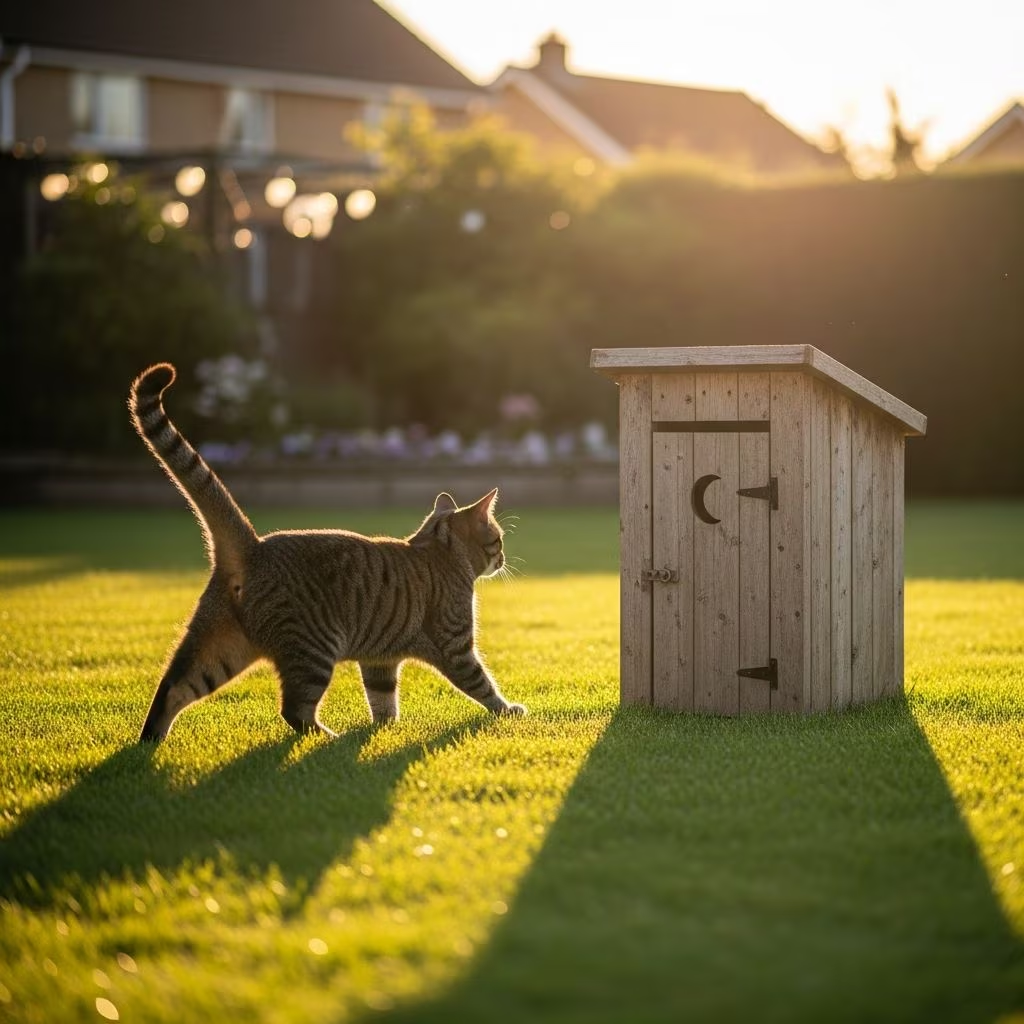
If you prefer a more contained approach, consider creating a designated sandbox-style toilet area. A wooden frame helps hold the material in place, preventing sand from spreading and dissipating over time. Quandt, an expert in outdoor cat training, notes that “placing a wooden frame around the litter will hold the litter in place. This frame can be mostly submerged or raised above ground level.” A raised frame offers easier access for older cats while keeping the material contained and reducing maintenance requirements.
Weather Considerations
Your outdoor toilet setup must remain available year-round. In cold climates, frozen ground becomes problematic during winter months. Consider providing a covered area or alternative indoor option during severe weather, or invest in heated outdoor cat toilets designed for year-round use. Some cat owners maintain a seasonal approach, using outdoor facilities during warmer months and transitioning to indoor boxes during winter.
Installation of a Cat Door
Before beginning the training process, install a cat door that provides easy access between your home and the outdoor toilet area. This door is essential for allowing your cat to independently come and go as needed. Modern cat doors offer various features, from simple flap designs to electronic models that allow only your specific cat to pass through. Choose a cat door appropriate for your cat’s size and your climate, ensuring it seals properly to maintain energy efficiency in your home.
Step-by-Step Training Process
Training your cat to use the bathroom outside requires patience, consistency, and a gradual approach. Rushing the process or making sudden changes typically results in accidents and setbacks.
Step 1: Guide Your Cat to the Designated Spot
Begin by showing your cat where the outdoor toilet is located. Take time to familiarize your cat with the area during daytime hours when they feel most comfortable exploring. Point out the spot and allow your cat to investigate freely. This initial familiarization phase helps your cat mentally map the location and understand this is where they should eliminate.
Step 2: Create a Gradual Transition
If your cat has difficulty locating and using the outdoor spot immediately, use their existing indoor litter box as a transition tool. Begin by gradually moving the indoor litter box closer to the cat door over several days. Once your cat is comfortable with the relocated box, place it outside near the designated toilet area. Continue moving the box incrementally closer to the final outdoor location over 7-10 days. This gradual process allows your cat to adjust psychologically while maintaining their understanding of where the toilet is located.
Step 3: Provide Positive Reinforcement
Watch for signs that your cat needs to eliminate, including meowing, digging on carpets or blankets, and squatting behavior. When you notice these signs, gently pick up your cat and place them in the outdoor toilet area. Reward successful outdoor elimination with treats, playtime, or affection. Positive reinforcement creates a positive association with outdoor toilet use and motivates your cat to continue the behavior.
Step 4: Maintain Consistency
Consistency is critical during the training phase. Ensure the outdoor toilet remains accessible at all times, with adequate material available for digging. Maintain the same general location and setup to avoid confusing your cat. Sudden changes to the toilet area can cause your cat to revert to inappropriate elimination spots.
Troubleshooting Common Challenges
Some cats transition to outdoor toilet use quickly, while others require additional time and strategies. Understanding common obstacles helps you address problems effectively.
Cat Refuses to Use the Outdoor Toilet
If your cat consistently refuses to use the outdoor toilet after several weeks of training, rule out medical issues first by consulting with your veterinarian. Assuming health isn’t the problem, try adjusting the material type—some cats prefer sand while others favor soil. Experiment with different depths and textures until you identify your cat’s preference. Additionally, ensure the toilet location provides adequate privacy and protection from weather.
Incomplete Transitions
Some cats may use the outdoor toilet for urination but continue defecating indoors, or vice versa. This partial transition is common and usually resolves with additional time. Maintain both indoor and outdoor options temporarily, allowing your cat to complete the transition at their own pace. Never force the process or punish your cat for accidents, as stress can worsen elimination problems.
Maintaining the Outdoor Toilet
Regular maintenance of the outdoor toilet encourages continued use. Remove feces regularly to prevent odor buildup and contamination. Periodically refresh the sand or soil material, adding more as needed. In areas with heavy rainfall, ensure adequate drainage to prevent waterlogging and mud formation.
Important Considerations Before Starting
Indoor vs. Outdoor Living
Before transitioning your cat to outdoor toilet use, clarify whether your cat will continue living primarily indoors or become an outdoor cat. This guide focuses on indoor cats using outdoor bathrooms while remaining indoor pets. Cats with outdoor access throughout the day may develop different behaviors and preferences.
Climate and Geography
Your local climate significantly impacts outdoor toilet training feasibility. Mild climates with year-round moderate temperatures make outdoor training easier to maintain. Harsh winters requiring snow removal or frozen ground management complicate outdoor toilet use. Consider your climate when deciding whether outdoor training is practical for your situation.
Neighborhood Environment
Your outdoor space’s location and surroundings affect training success. Enclosed yards with secure fencing provide better control and safety than open properties. Urban apartments with shared outdoor spaces may face challenges maintaining a private toilet area.
Health and Safety Considerations
Outdoor toilet training involves considerations beyond simple behavior modification. Monitor your cat’s health during and after transition. Outdoor elimination may expose your cat to parasites, diseases, and other health risks if preventive measures aren’t maintained. Ensure your cat remains current on vaccinations and parasite prevention treatments. Additionally, the outdoor toilet area should be free from pesticides, fertilizers, and other chemicals that could harm your cat.
Frequently Asked Questions
Q: How long does it typically take to train a cat to use the bathroom outside?
A: The timeline varies by individual cat. Some cats transition in 1-2 weeks, while others require 4-8 weeks or longer. Patience and consistency are essential. The gradual transition process itself typically takes 7-10 days, but cats may need additional time to feel completely comfortable with outdoor elimination.
Q: Can all cats be trained to use outdoor toilets?
A: Most cats can be successfully trained to use outdoor toilets, but individual preferences and past experiences affect success rates. Cats with strong litter box aversions or medical issues may face more challenges. Consulting with your veterinarian helps identify any underlying problems preventing outdoor toilet use.
Q: What if my cat has an accident indoors during training?
A: Accidents during training are normal and expected. Never punish your cat, as this creates stress and anxiety that worsen elimination problems. Simply clean accidents thoroughly with enzymatic cleaner to remove all scent markers, then continue with consistent training. If accidents persist beyond 8 weeks, consult your veterinarian to rule out medical issues.
Q: Is outdoor toilet training safe for my cat?
A: Outdoor toilet training is generally safe when proper precautions are taken. Maintain current vaccinations and parasite prevention treatments. Ensure the toilet area is free from toxic substances, and monitor your cat for signs of illness. If your cat has a medical condition or is elderly, discuss outdoor training with your veterinarian first.
Q: Should I keep an indoor litter box after successful outdoor training?
A: Many cat owners maintain at least one indoor litter box as a backup, particularly for elderly cats, cats with mobility issues, or during severe weather. Having an indoor option ensures your cat always has a toilet available, reducing stress-related accidents.
Q: What materials work best for outdoor cat toilets?
A: Fine play sand and soil are the most effective materials because they closely mimic natural outdoor substrates that cats instinctively prefer. These materials allow easy digging and covering behavior. Some cats may prefer one material over another, so experimentation may be necessary.
Q: How often should I clean the outdoor toilet?
A: Remove feces daily or every other day to maintain hygiene and prevent odors that could discourage use. Refresh the sand or soil material periodically, adding new material as needed. The frequency depends on your cat’s usage patterns and local weather conditions.
Conclusion
Training your indoor cat to use the bathroom outside successfully reduces household mess, decreases expenses, and provides your feline companion with a more natural elimination experience. The process requires patience, consistency, and a gradual approach, but most cats can be trained with proper technique and dedication. By following the step-by-step process outlined above, preparing an appropriate outdoor toilet area, and addressing challenges as they arise, you can enjoy the benefits of outdoor cat toilet training while maintaining a clean, fresh-smelling home. Remember that every cat is unique, and the timeline for success varies. If you encounter persistent difficulties or notice behavioral changes during training, consult your veterinarian to ensure your cat’s health and wellbeing.
References
- How to Train Your Cat to Use the Bathroom Outside — Chewy. 2024-06-11. https://www.chewy.com/education/cat/training-and-behavior/training-cat-use-bathroom-outside
- How to Litterbox Train an Outdoor Cat — VetStreet. 2024-06-11. https://www.vetstreet.com/pet-care/training/how-to-litterbox-train-an-outdoor-cat
- How to Train Your Cat to Toilet Outside — Cats Protection. Updated 2024. https://www.cats.org.uk/cats-blog/how-to-train-your-cat-to-toilet-outside
- Litter Box Training — Longmont Humane Society. https://www.longmonthumane.org/resources/cat-care-tips/litter-box-training/
- What to Do if Your Cats Are Not Using the Litter Box — Arm & Hammer. https://www.armandhammer.com/en/articles/cats-not-using-the-litter-box



