Train Your Dog’s Auto-Sit Habit
Unlock effortless obedience: Master the automatic sit cue for walks, greetings, and daily harmony with your canine companion.
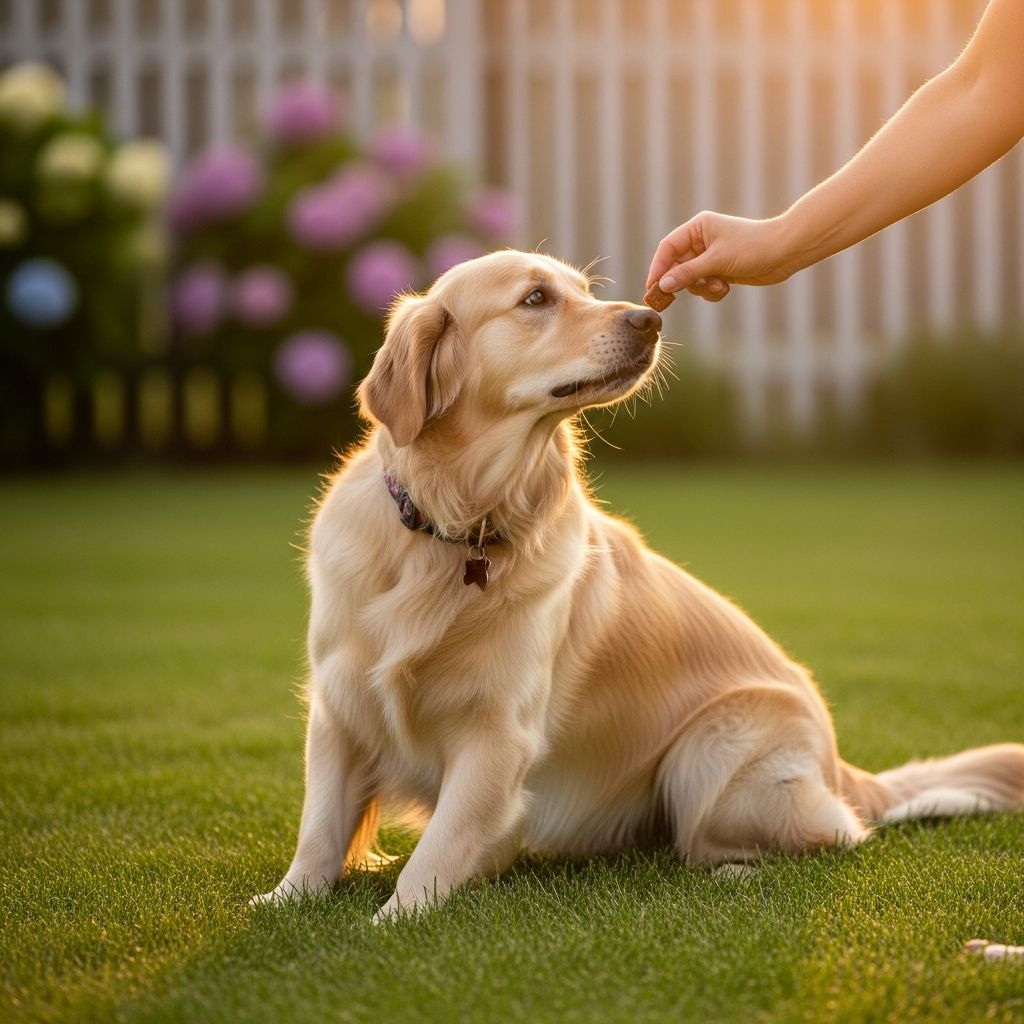
Teaching your dog to automatically sit when you stop moving transforms everyday interactions into smooth, predictable experiences. This foundational skill prevents jumping, improves leash manners, and builds a stronger bond through positive reinforcement. Whether you’re halting during walks or greeting guests, the auto-sit cue ensures your pup responds instinctively without verbal prompts every time.
Why the Automatic Sit Matters for Dog Owners
The auto-sit isn’t just a trick; it’s a practical tool for safety and courtesy. Dogs naturally stand or jump when excited, but a reliable sit keeps paws on the ground, reducing risks like tripping owners or startling visitors. It sets the stage for advanced commands like stay or heel, making training sessions more efficient.
Owners report fewer frustration moments at doors, vet visits, or parks. For puppies, it instills impulse control early; for adults, it polishes manners. Consistency in this behavior fosters mutual respect, turning chaotic outings into enjoyable routines.
Gathering Your Training Essentials
Success hinges on the right tools and mindset. Start with high-value treats—soft, smelly ones your dog adores, broken into pea-sized pieces for quick delivery. A 4-6 foot leash provides control without tension, while a hands-free treat pouch keeps rewards accessible.
- High-value treats: Chicken bits, cheese, or commercial soft treats.
- Leash and collar/harness: Ensure a proper fit to avoid discomfort.
- Marker tool: A clicker or word like “yes!” to pinpoint perfect moments.
- Quiet space: Begin indoors or in low-distraction yards.
- Patience: Sessions of 5-10 minutes, multiple times daily.
Your enthusiasm fuels progress—celebrate small wins to keep sessions fun.
Mastering the Basic Sit Foundation
Before auto-sit, solidify the standard sit. Use the lure method: Hold a treat at nose level in a standing dog, move it slowly upward and back over the head. The rear tucks naturally as they follow, forming a sit.
Mark the instant their bottom hits the floor (“yes!” or click), then reward immediately. Repeat 10-15 times per session. Once reliable, introduce the verbal “sit” just before the hand motion, fading treats gradually.
| Step | Action | Tips |
|---|---|---|
| 1. Lure | Treat over nose, arc back | Keep hand close to avoid jumping. |
| 2. Mark & Reward | “Yes!” + treat | Timing is critical—within 1 second. |
| 3. Add Cue | Say “sit” pre-lure | Practice 50+ reps before phasing lure. |
| 4. Hand Signal | Fade treat, use flat palm | Vary rewards: praise, toys. |
Average dogs learn basic sit in 1-3 days with daily practice.
Transitioning to Walks and Halts
Link sit to movement for the auto-response. Walk on a loose leash, then stop abruptly. As forward momentum fades, gently lift a lure above their head while saying “sit” if needed. Reward seated position.
Practice “heel-sit-heel”: Walk a few steps, stop, lure sit, praise, resume. Use leash pressure subtly—slight upward tug if they forge ahead, releasing on sit. Sessions mimic real walks: doorways, corners, curbs.
- Short walks (10 steps), stop and sit 5x.
- Increase to full blocks, random stops.
- Remove lure: Stop, palm signal, reward from pouch.
Key: Always return to them for rewards, reinforcing proximity.
Proofing for Reliability in Real Life
Test in distractions: Add toys, people, or other dogs gradually. Start with low-level (one person at distance), build to high (park bustle). Vary stops—quick halts, slow pauses—to generalize the cue.
Common pitfalls: Inconsistent rewards lead to popping up; fix by 100% treats initially, then random 70% rate. If jumping occurs, shorten sessions, lower criteria.
Advanced Variations and Troubleshooting
Teach sit-from-down: From prone position, lure upward with treat over shoulders. Useful for arthritic dogs or variety.
Troubleshooting table:
| Issue | Solution |
|---|---|
| Dog jumps instead | Hold lure lower, closer to nose. |
| Ignores on walks | Practice stationary first, higher treats. |
| Breaks sit early | Shorten duration, add stay elements. |
| Pulls on leash | Teach loose-leash basics first. |
For stubborn cases, capture natural sits: Mark and treat spontaneous ones, adding cue later.
Integrating with Stay for Ultimate Control
Combine auto-sit with stay: After halt-sit, feed treats every 3 seconds while stationary. Introduce release “free!” or “okay,” tossing treat aside. Build duration (1-30s), distance (steps back), then distractions.
This duo shines at doors: Stop, auto-sit-stay, release to enter calmly.
Daily Routines to Cement the Habit
Embed in life: Before meals, leashing, greetings. Randomize for unpredictability—sit becomes default halt response. Track progress in a journal: reps, success rate, environments.
Timeline: Basic sit (week 1), auto on walks (week 2-3), proofed (month 1). Puppies advance faster; seniors need gentler lures.
Common Myths Debunked
- Myth: Auto-sit needs harsh corrections. Fact: Positive methods yield lasting results.
- Myth: Only works for puppies. Fact: Adults learn quickly with motivation.
- Myth: Verbal cue alone suffices. Fact: Context (stopping) triggers auto-response.
Frequently Asked Questions
What if my dog won’t sit on certain surfaces?
Practice on varied textures: grass, tile, pavement. Use non-slip mats initially for confidence.
How many sessions daily?
3-5 short ones (5-10 min) prevent fatigue, maximize retention.
Can I use toys instead of treats?
Yes, for play-motivated dogs—tug or fetch as rewards after proficiency.
What about reactive dogs?
Start in ultra-low distraction; consult trainer for aggression issues.
Does breed matter?
No—herding breeds may auto-sit naturally, hounds need more reps, but all succeed with consistency.
Long-Term Maintenance
Once mastered, occasional refreshers suffice. Vary rewards: life rewards like walks starting with sit. This habit endures lifelong, enhancing joy in dog ownership.
References
- Best methods how to train your dog to sit and stay — Andrea Arden. Accessed 2026. https://andreaarden.com/dog-training/how-to-teach-a-dog-sit-and-stay/
- Train Your Dog To Automatically Sit When Halted. Episode 29 — Nate Schoemer. Accessed 2026. https://www.youtube.com/watch?v=cZ98m9YUVbQ
- How to Teach a Dog to Sit in 3 Easy Steps — Best Friends Animal Society. Accessed 2026. https://bestfriends.org/pet-care-resources/how-teach-dog-sit-3-easy-steps
- How to Teach Your Dog to Sit and Stay — Nylabone. Accessed 2026. https://www.nylabone.com/dog101/how-to-teach-your-dog-to-sit-and-stay
- The easiest, most reliable SIT STAY — YouTube. Accessed 2026. https://www.youtube.com/watch?v=ksBLKi6lj1s
- How to Teach a Dog to Sit From Down Position — American Kennel Club (AKC). Accessed 2026. https://www.akc.org/expert-advice/training/teaching-sit-from-the-down/
Similar Articles








Read full bio of medha deb