

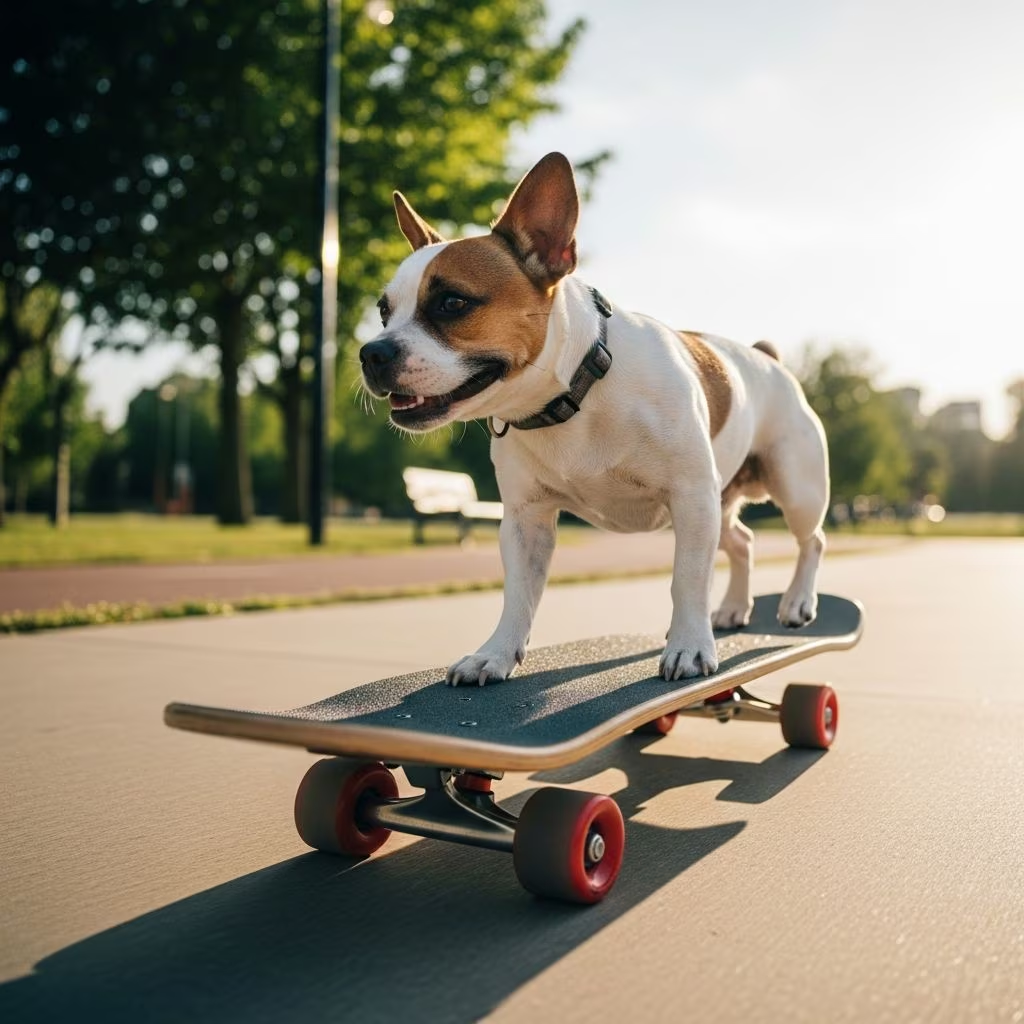
Teaching your dog to skateboard combines physical exercise, mental stimulation, and an incredible bonding experience. This skill enhances your pet’s coordination, builds confidence, and provides a unique outlet for energy. With patience and positive methods, dogs of various breeds and sizes can learn to balance, move, and even propel themselves on a board. Start on soft surfaces like grass to ensure safety and gradual progression.
Why Skateboarding Benefits Dogs and Owners
Skateboarding offers more than entertainment; it promotes joint health through low-impact movement, improves balance, and reduces boredom-related behaviors. Owners report stronger relationships as training fosters trust and communication. Suitable for energetic breeds like Border Collies or even smaller dogs with proper equipment scaling.
- Physical perks: Enhances agility and muscle tone without high strain.
- Mental boosts: Challenges problem-solving and focus.
- Social advantages: Turns heads at parks, encouraging responsible pet ownership discussions.
Selecting the Perfect Skateboard for Canine Use
Choose a sturdy, lightweight board with smooth-rolling wheels and firm grip tape to prevent slips. Standard skateboards work for medium to large dogs, while mini boards suit smaller breeds. Avoid loose or rickety decks that could scare your pet.
| Board Size | Dog Weight Range | Key Features |
|---|---|---|
| 7.5-8 inches wide | 20-50 lbs | Standard grip, urethane wheels |
| 8+ inches wide | 50+ lbs | Extra stability, reinforced trucks |
| Mini (6-7 inches) | Under 20 lbs | Lightweight deck, soft wheels |
Test wheels on varied surfaces; opt for ones with quality bearings for effortless motion.
Preparation: Essential Gear and Safety Measures
Gather treats, a clicker for precise timing, and a leash for control. Train in quiet areas free of traffic. Assess your dog’s health—consult a vet to rule out joint issues or age-related limitations. Sessions should last 5-10 minutes to maintain engagement.
- High-value treats: Bits of chicken or cheese for motivation.
- Clicker: Marks exact desired behaviors instantly.
- Safety tie-down: Optional rope from board to collar for beginners.
Step-by-Step Training Progression
Phase 1: Familiarization and Trust Building
Position the stationary board on grass or carpet to eliminate movement fears. Allow sniffing without pressure, rewarding proximity with treats. Progress to feeding treats directly on the deck to associate it positively. This foundation prevents future anxiety.
Goal: Dog approaches and touches the board willingly within days.
Phase 2: Front Paws Placement
Hold a treat over the board’s center, luring front paws onto it. Stand straddling the rear to stabilize. Click and reward immediate contact. Repeat until voluntary stepping occurs. Use short bursts to avoid fatigue.
Pro Tip: If hesitant, start with paws-up on a low stool before transitioning.
Phase 3: Full Stance Mastery
Encourage all four paws by luring further or shaping behavior—reward incremental progress. Hold the board firm initially, then rock gently side-to-side. Three-paw stance builds asymmetric balance crucial for propulsion. Dogs gain confidence standing solo on a locked-wheel board.
Phase 4: Introducing Gentle Motion
With paws confidently placed, push lightly while praising. Begin on flat pavement, covering inches before feet. Shake mildly to simulate real rides, ensuring no panic. Gradually loosen wheel blocks for micro-rolls.
Monitor body language: Relaxed ears and wagging tail signal readiness; tucked tail means regress a step.
Phase 5: Developing Propulsion Skills
Lure a hind paw off the board toward a treat, using your foot or hand to stop backward roll. Reward pushes that advance the board. Fade lures so the dog initiates independently. Practice turns by rewarding grounded hind paws.
Advanced: Add distance pulls with a rope, teaching speed control and stops.
Phase 6: Refining and Real-World Application
Once cruising short distances, introduce curbs, slight inclines, and obedience cues like sit-stay atop the board. Use a safety tether for street practice. Celebrate with play to end positively.
Common Challenges and Solutions
| Challenge | Solution |
|---|---|
| Fear of movement | Prolong stationary phase; use slower surfaces like turf. |
| Slipping paws | Apply fresh grip tape; trim nails short. |
| Lack of motivation | Switch to premium treats; incorporate toys. |
| Balance issues | Strengthen with three-paw drills; shorten board if needed. |
breed Suitability and Modifications
Athletic breeds like Labs excel quickest, but brachycephalic types need caution due to breathing. Small dogs benefit from elevated platforms initially. Puppies wait until 6 months for joint safety; seniors focus on stationary balance.
Health and Safety Priority
Always prioritize welfare—halt if limping or stressed. Low-impact nature suits most, but avoid extremes. Regular vet checks ensure ongoing suitability. Hydrate frequently and watch for overheating.
Advanced Tricks to Elevate Skills
- 360 spins: Cue hind paw pushes in circles.
- Carve turns: Weight shifts for directional control.
- Jump-ons: From ground to moving board.
- Freestyle combos: Pair with sits or downs.
Enter trick dog trials for validation and fun.
Frequently Asked Questions
How long until my dog skateboards?
Weeks to months, depending on prior training and temperament. Consistency accelerates progress.
Any breed off-limits?
No, but adapt for size and health; very large breeds may need custom boards.
Indoors possible?
Yes, on carpeted areas with mini boards for space constraints.
What if my dog panics?
Revert to prior comfortable step; rebuild slowly with extra rewards.
Benefits outweigh risks?
Yes, with supervision—promotes fitness and joy far beyond potential minor scrapes.
References
- Skateboarding Basics for Dogs: 6 Easy Steps to Get Started — Dogpacking.com. Accessed 2026. https://dogpacking.com/skateboarding-basics-for-dogs-6-easy-steps-to-get-started/
- Training a Skateboarding Dog — Iron Doggy. Accessed 2026. https://irondoggy.com/blogs/news/skateboarding-with-your-dog
- Teach your dog to Skateboard – YouTube Transcript — YouTube. Accessed 2026. https://www.youtube.com/watch?v=JpLv6T8caXU
- How to train your dog to skateboard PART 1 – YouTube Transcript — YouTube. Accessed 2026. https://www.youtube.com/watch?v=PhnQRz7_iWE
- Skateboarding dogs? — MJ’s Pet Training Academy. Accessed 2026. https://mjspettrainingacademy.com/read/0nsj93iie5bkmpfi1ennmzmdrjtq93
- Lessons from Teaching Your Dog To Skateboard DVD — Stalecheerios.com. Accessed 2026. https://stalecheerios.com/dog-training/lessons-from-teaching-your-dog-to-skateboard-dvd/
- Train Your Dog To Skateboard – AKC Performer Title – YouTube — YouTube (AKC-related). Accessed 2026. https://www.youtube.com/watch?v=qGondGT6O3k



