

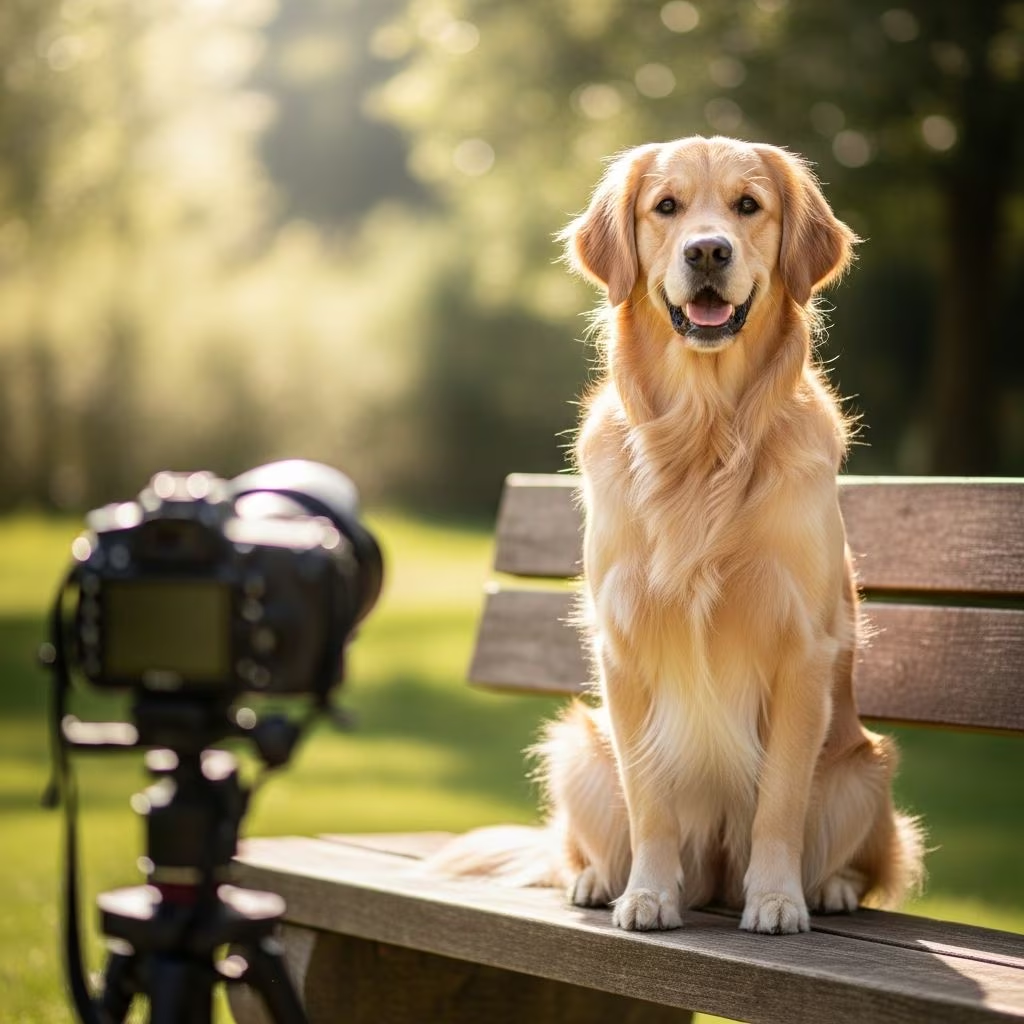
How to Train Your Dog to Pose for Photos
Getting that perfect shot of your furry friend isn’t always easy, but with the right combination of training techniques and photography knowledge, you can capture stunning images that showcase your dog’s personality and charm. The difference between a reasonably cute photo and a frame-worthy masterpiece comes down to two fundamental factors: technical photography skills and behavioral training. By understanding how to work with your dog’s natural instincts and sensibilities, you’ll be well-equipped to create memorable photographs that do justice to your canine companion’s handsomeness.
The Two-Pronged Approach to Perfect Dog Photography
Successful dog photography combines technical excellence with behavioral understanding. On the technical side, you need to consider backgrounds, lighting, camera settings, and perspective. From a behavioral standpoint, you must understand how dogs naturally respond to various cues and stimuli. When you master both elements, you create the ideal conditions for capturing photographs that genuinely represent your dog’s personality and beauty.
1. Get Your Dog to Look at the Camera
One of the most challenging aspects of dog photography is getting your dog to look directly at the lens. Understanding why this is difficult is the first step toward solving the problem. For most dogs, a camera appears as a large, intimidating eye staring directly at them. Dogs naturally find prolonged staring rude and even threatening, which makes them uncomfortable when facing a camera lens.
Understanding Your Dog’s Perspective
A camera is fundamentally a scary, giant eye from your dog’s point of view. This perception is especially pronounced when using a small lens held close to your face, as the proximity intensifies the perceived threat. Dogs are more likely to remain calm and cooperative when the camera is positioned at a greater distance, which is one of the reasons professional photographers invest in portrait lenses.
Choosing the Right Equipment
A portrait lens is a worthwhile investment for dog photography. These lenses allow you to capture detailed images from a comfortable distance, reducing your dog’s anxiety about the camera. The physical distance between your dog and the lens makes the equipment appear less threatening and allows your pup to relax during the photo session.
Focus on the Eyes
Regardless of how perfect the rest of your composition might be, the eyes are absolutely critical. A sharp, clear eye is essential for a successful dog photograph. While a blurred tail or windblown fur can actually convey your dog’s energy and personality, blurry eyes will make the photo appear out of focus and unflattering. Always prioritize achieving perfect sharpness on your dog’s eyes—this single element can make or break a photograph.
2. Go for the Head-Tilt
The classic head-tilt is one of the most endearing expressions a dog can make. When you imagine the perfect dog photo, you likely picture a pup cocking their head in an inquisitive, adorable manner. The good news is that there are straightforward techniques to encourage this behavior during your photo sessions.
Why Dogs Tilt Their Heads
Dogs tilt their heads primarily in response to sounds that capture their attention. Your dog’s hearing is extraordinarily sensitive, and when they encounter an unfamiliar or intriguing sound, they naturally adjust the position of their ears and head to optimize their sound perception. By leveraging this natural instinct, you can consistently get your dog into that picture-perfect head-tilt position.
Sound-Based Techniques
The most effective way to trigger a head-tilt is to make an unusual, nonthreatening sound that will intrigue your dog. Consider these options:
- Smooching or kissing sounds
- Tongue clicks
- Saying “woop, woop” or similar vocalizations
- Singing or imitating bird calls
- Using squeaky toys
These unexpected sounds naturally cause your dog to look at you with curiosity, often resulting in that precious head-tilt expression. The duration of the head-tilt varies by dog—some maintain the position for several seconds, while others hold it for just a moment. Keep your finger ready on the camera’s shutter button and be prepared to capture the shot as soon as you see your dog move their head into the tilted position.
3. Use Training to Help Direct Your Dog’s Attention and Positioning
Most dogs are works in progress when it comes to training, and that’s perfectly acceptable. For photography purposes, your primary goal is simply to keep your dog in a stable pose while maintaining their attention. Even if your dog doesn’t consistently follow commands, there are practical techniques to naturally achieve the positioning you need.
Use Motion to Your Advantage
Many dogs are captivated by movement, and you can use this fascination to your benefit. Try wiggling your finger, waving your arm, or shaking a toy to keep your dog engaged, positioned, and looking in the right direction. The motion provides the stimulus they need to remain focused on you rather than becoming distracted by their surroundings. This technique works particularly well for dogs that haven’t yet mastered the “stay” command.
Leverage Your Body Language
Your own body positioning and movements communicate important signals to your dog. If your dog hasn’t mastered a solid “stay” command, you can encourage them to remain in place by leaning slightly forward—your body language reinforces the idea that they should hold their position. Additionally, when you need to step back to frame your shot, back away from your dog rather than turning your back to them. Dogs naturally follow when you turn away, which will break your carefully composed pose. By backing away instead, you maintain your dog’s focus and positioning.
Make It a Positive Experience
Photography sessions should be enjoyable for your dog, not stressful. Keep sessions short and incorporate plenty of positive reinforcement and play. The goal is for your dog to look forward to photo sessions rather than dread them. Consider these strategies:
- Use high-value treats that your dog especially loves
- Incorporate their favorite toys into the photo session
- Use balls or toys that motivate your dog to engage
- Include plenty of playtime and praise
- Keep sessions brief to maintain enthusiasm
By making photo sessions positive and rewarding, you build a strong association between the camera and good things happening. Your dog will eventually become more cooperative and enthusiastic about posing for pictures.
4. Embrace the Bloopers
Despite your best efforts to capture the perfect photograph, sometimes the most memorable shots come from unexpected moments and mistakes. These “blooper” photos often showcase your dog’s true personality more authentically than carefully posed shots.
Finding Beauty in Imperfection
Don’t dismiss those moments when your dog ignores your cues or does something unexpected. A photo of your dog happily chewing a treat, letting their tongue hang out, raising their paw in mid-motion, or caught mid-play might seem imperfect by technical standards. However, these candid moments often capture the essence of your beautiful dog—not just how they look, but who they are and what makes them unique.
Creating Lasting Memories
Some of your all-time favorite dog photos might come from these unplanned, imperfect moments. Rather than viewing bloopers as failures, reframe them as opportunities to capture authentic expressions and behaviors. These genuine moments often resonate more deeply than perfectly posed shots because they tell the true story of your relationship with your dog and reflect their individual personality.
Technical Photography Considerations
Beyond behavioral training, several technical factors contribute to successful dog photography. Understanding these elements will help you create the ideal conditions for great shots.
Background and Lighting
Choose backgrounds that complement your dog and won’t distract from them. Soft, diffused lighting is preferable to harsh direct sunlight, which can create unflattering shadows and cause your dog to squint. Natural light is often your best friend in dog photography, but the time of day and weather conditions matter significantly.
Perspective and Composition
Camera angle makes an enormous difference in how your dog appears in photos. Shooting at roughly your dog’s eye level generally produces much better results than shooting from above. When you position your camera at eye level, you create a more intimate connection between viewer and subject. This perspective naturally flatters your dog’s features and creates more engaging photographs.
Camera Settings and Focus
Master the ins and outs of your camera equipment to ensure that focus and exposure are flawless. Proper focus is absolutely critical, particularly on your dog’s eyes. Many modern cameras have pet-specific autofocus modes that can help you maintain sharp focus on your dog’s face, even when they’re moving slightly.
Common Challenges and Solutions
Dog photography presents specific challenges that require targeted solutions. Understanding these common issues can help you troubleshoot problems during your sessions.
| Challenge | Cause | Solution |
|---|---|---|
| Dog won’t look at camera | Camera appears threatening | Use a portrait lens, create distance, make engaging sounds |
| Blurry or out-of-focus eyes | Improper focus or movement | Use faster shutter speed, ensure precise focus on eyes |
| Dog breaks position | Lack of training or motivation | Use motion, treats, body language to maintain stay |
| Dog appears anxious | Negative association with camera | Keep sessions short, use rewards, make it enjoyable |
| No head-tilt | Dog not responding to sounds | Try different noises, use squeaky toys, be patient |
Building a Training Foundation
While you don’t need a perfectly trained dog to take good photos, a foundation in basic obedience makes the process significantly easier. Commands like “sit,” “stay,” and “look” are particularly useful for photography sessions. Start by practicing these commands in controlled environments before attempting to combine them with camera work.
Progressive Training Approach
Begin with simple commands and gradually add complexity. First, ensure your dog understands and consistently responds to basic cues. Then, practice these commands in different environments and with increasing distractions. Finally, layer in the camera and photography elements once your dog has internalized the foundational behaviors.
Frequently Asked Questions
Q: How long should a dog photo session last?
A: Keep sessions short—typically 10 to 20 minutes—to maintain your dog’s enthusiasm and prevent fatigue or frustration. Short sessions are more enjoyable for your dog and often produce better results.
Q: What’s the best time of day for dog photography?
A: Early morning or late afternoon (golden hour) provides soft, flattering light that works beautifully for dog photography. Avoid harsh midday sun, which creates unflattering shadows.
Q: Do I need expensive equipment to photograph my dog?
A: While a portrait lens is helpful, you can take great dog photos with smartphone cameras or basic DSLR equipment. Good composition, lighting, and behavioral knowledge matter more than equipment cost.
Q: How can I help my anxious dog feel comfortable during photo sessions?
A: Introduce the camera gradually, keep initial sessions very short, use lots of positive reinforcement, and associate the camera with treats and play. Never force your dog to pose if they’re genuinely distressed.
Q: Should I use flash when photographing my dog?
A: Avoid flash if possible, as it can startle dogs and cause red-eye or overexposure. Natural light or continuous lighting is preferable for most dog photography situations.
Q: How do I get my dog to maintain a pose for multiple shots?
A: Use continuous verbal or physical engagement (motion, sounds, treats) to keep your dog focused and in position. Practice the “stay” command extensively before photo sessions.
Q: What if my dog has a naturally anxious personality?
A: Work at your dog’s pace, make sessions very brief, use only highly rewarding treats, and focus on capturing candid moments rather than posed shots. Some dogs simply prefer natural, unstructured photography.
Conclusion: Creating Lasting Memories
Training your dog to pose for photos is a rewarding process that strengthens your bond while creating beautiful memories. By combining technical photography knowledge with positive behavioral training, you’ll develop the skills needed to capture your dog at their best. Remember that perfection isn’t the goal—authentic moments that capture your dog’s unique personality are far more valuable. Be patient, keep sessions positive and brief, and celebrate both the beautiful shots and the hilarious bloopers. With practice and persistence, you’ll build a portfolio of photographs that truly represent the special relationship you share with your canine companion.
References
- How to Train Your Dog to Pose for Photos — Kinship. 2025. https://www.kinship.com/dog-behavior/train-your-dog-pose-photos



