

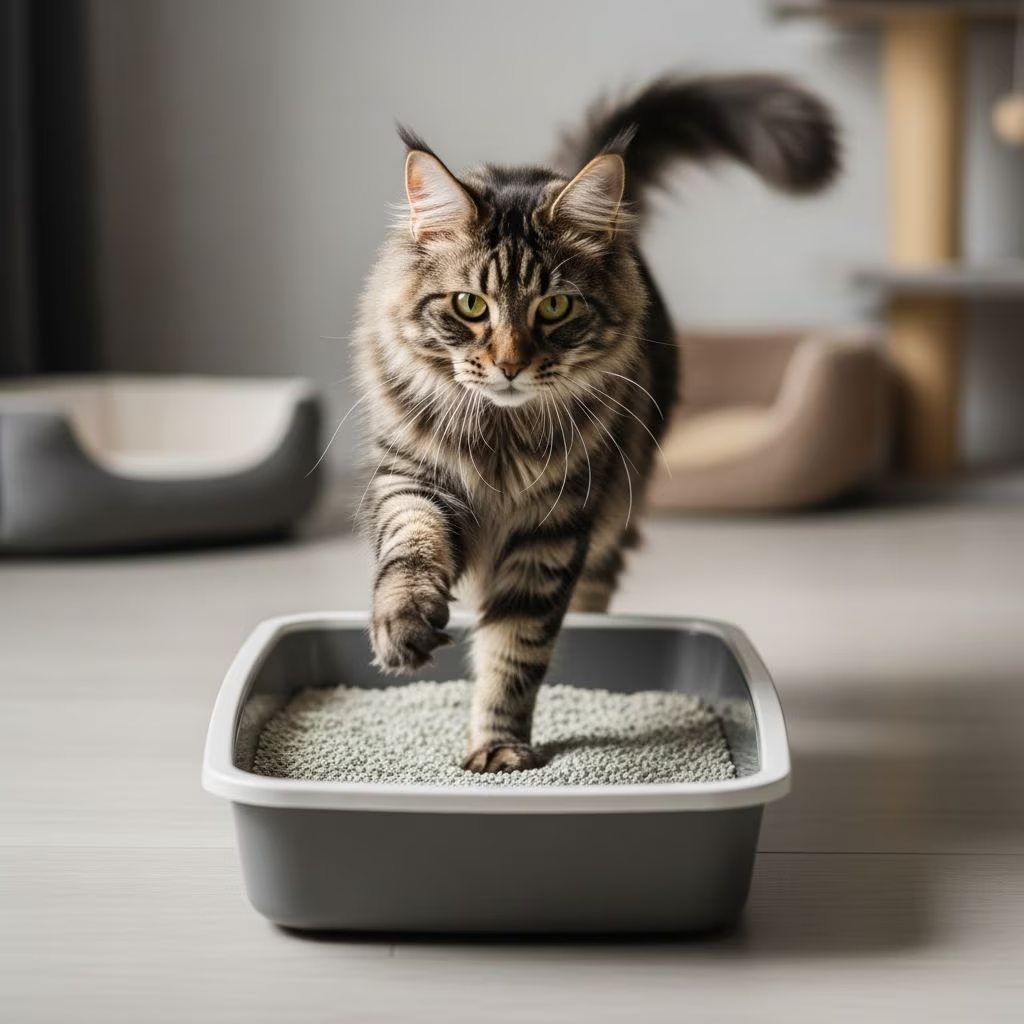
Many cat owners assume that litter box training is only for kittens, but the reality is that cats of any age—including senior felines and former strays—can learn or relearn this essential behavior. If you’ve recently adopted an older cat, particularly one with an outdoor background, transitioning them to indoor litter box use might seem daunting. However, with patience, the right setup, and consistent techniques, training an older cat to use a litter tray is entirely achievable.
Why Train Older Cats to Use Litter Trays?
There are numerous reasons why you might need to train an older cat to use a litter box. Safety concerns—such as predators like coyotes in your area—make indoor living essential. Health issues in aging cats may also require closer monitoring of their elimination habits, which is easier to manage with indoor litter trays. Additionally, environmental factors like extreme weather, traffic, or neighborhood restrictions can necessitate the transition from outdoor to indoor toileting.
The good news is that cats have a natural instinct to bury their waste, which is deeply rooted in their evolutionary behavior to hide their location from predators and prey. This instinctive behavior makes litter box training surprisingly intuitive for cats, even those who have never used one before.
Understanding Your Cat’s Natural Behavior
Before diving into training techniques, it’s important to understand feline behavior. Cats naturally prefer to eliminate in areas with soft, loose material—much like soil or sand. When an outdoor cat toilets in garden soil, they’re essentially using a giant litter box. This similarity means cats adapt well when provided with appropriate litter boxes indoors.
Additionally, cats are inherently clean animals. They won’t use a soiled litter box, and they prefer privacy when eliminating. Understanding these preferences is key to successful litter training.
Setting Up the Right Litter Box Environment
Choosing Appropriately-Sized Litter Boxes
The size of your litter box plays a critical role in whether your older cat will use it. The box should be large enough for your cat to turn around comfortably. Specifically, the litter box should be approximately 1.5 times the length of your cat. A box that’s too small can discourage use, especially for larger or less flexible senior cats.
For senior cats experiencing mobility issues, consider low-sided litter boxes that are easier to enter and exit. These accessible designs reduce physical strain and encourage consistent use.
Determining the Number of Litter Boxes
A fundamental rule of litter box management is to provide at least one litter box per cat, plus one additional box. For a single cat, this means a minimum of two litter trays placed in different locations throughout your home. This approach ensures your cat always has convenient access and reduces the likelihood of accidents outside the litter box.
If you have multiple floors, place at least one litter box on each level to prevent your cat from having to travel too far when nature calls.
Strategic Placement and Location
Where you place litter boxes significantly impacts their usage. Litter trays should be situated in quiet, private areas of the house where your cat won’t be disturbed while eliminating. Cats prefer privacy and may avoid boxes placed in high-traffic areas or near loud appliances.
Additionally, litter boxes should be located away from food and water bowls. Cats naturally avoid eliminating near their eating areas, so placing boxes far from feeding zones respects this instinct.
If you have multiple litter boxes, ensure they are physically separated rather than clustered together. Placing boxes side-by-side reduces their effectiveness because cats may perceive them as a single location.
Selecting the Right Litter Type
Litter preference varies among individual cats, so choosing the right type is essential for successful training. Unscented, fine-textured clumping litter is generally the most popular choice and closely mimics the consistency of natural sand or soil. Most cats find this texture comfortable on their paws and appreciate the ability to bury their waste effectively.
For senior cats, specialized formulas like crystal or pelleted litters designed for older felines can be particularly effective, as they’re easier on aging joints and often more absorbent.
If your older cat previously used outdoor soil or garden areas, you can ease the transition by mixing a small amount of garden soil or compost into the litter box initially. This familiar material helps your cat recognize the box as an appropriate elimination spot.
Testing Litter Preferences
Since cats have individual preferences, consider setting up multiple boxes with different types of litter to identify which your cat prefers. Place these test boxes side-by-side and observe which one your cat gravitates toward. Once you’ve identified their preference, you can transition the other boxes to that litter type.
When introducing a new litter type, make changes gradually over several days rather than switching abruptly. Sudden changes can be stressful for cats and may discourage litter box use.
Litter Depth and Box Setup
Litter should be placed at a depth of at least 6 centimeters to allow your cat to bury and hide their waste comfortably. This depth respects your cat’s natural instinct and makes the litter box more appealing.
Initially, consider using uncovered (open) litter boxes rather than hooded or covered ones. Older cats, especially those new to indoor living, may feel anxious entering a covered box. Open boxes provide visibility, easy access, and the sense of security your cat needs while learning.
Training Techniques for Older Cats
Introducing Your Cat to the Litter Box
When you first set up litter boxes in your home, gently guide your cat to each one so they know where it is located. Don’t force your cat to use the box; simply show them and allow them to explore at their own pace. Cats will naturally discover the soft material and recognize it as an appropriate place to eliminate.
Strategic Placement During Elimination Times
Timing is crucial in litter training. Place your cat in the litter box at opportune moments, particularly after meals and after waking from naps, as these are when cats most naturally need to eliminate. If your cat uses the box successfully, immediately reward them with praise and a treat to reinforce the positive behavior.
Creating a Confined Learning Space
For older cats with a strong outdoor background, confining them to a small room initially can accelerate litter training. Set up this room with food, water, toys, a comfortable resting area, and the litter box. Living in this contained space helps your cat associate the box with their elimination routine.
Once your cat consistently uses the litter box, gradually expand their access to larger areas of the home. This progressive approach allows them to develop reliable habits while building confidence.
Maintaining Litter Box Cleanliness
Cleanliness is non-negotiable for successful litter training. Scoop litter boxes daily and remove soiled material to maintain hygiene. Cats are fastidious creatures and will avoid dirty boxes, so consistent daily maintenance is essential.
Perform a full litter box cleaning at least once weekly using water and a small amount of mild soap, then refill with fresh litter. Avoid using air fresheners or heavy-scented products, as cats find strong smells offensive and may avoid the box.
How Long Does Litter Training Take?
The timeline for litter training an older cat varies based on several factors, including age, personality, prior experience, and individual preferences. Some cats may adapt within a few weeks, while others might require several months. The key is patience and consistency. Avoid scolding or punishing your cat if they don’t use the box immediately; instead, focus on maintaining clean boxes, appropriate litter types, and a stress-free environment.
Common Challenges and Solutions
Senior Cats and Mobility Issues
Older cats may struggle with arthritis or mobility limitations, making it difficult to access traditional litter boxes. If your senior cat isn’t using the litter box despite your efforts, evaluate whether physical access is the issue. Low-sided or extra-large boxes may be necessary.
Stress Reduction Techniques
Stress can inhibit litter box use. Providing interactive play, vertical spaces, and horizontal scratching areas helps reduce anxiety. Some cats benefit from pheromone sprays like Feliway, which create a calming environment and encourage litter box use.
Addressing Previous Elimination Spots
If your older cat has established preferred outdoor spots or indoor areas for elimination, thoroughly clean these areas with enzymatic cleaners to remove scent markers. Place physical barriers like aluminum foil or upside-down carpet runners over these spots to discourage reuse.
Frequently Asked Questions
Q: Is it ever too late to train an older cat to use a litter box?
A: No, it’s never too late. Cats can be trained to use a litter box at any age, and it’s never too late to teach an old cat new tricks. Even senior felines can successfully transition to indoor litter box use with the right approach and patience.
Q: What if my older cat refuses to use any type of litter?
A: Try mixing garden soil or compost into the litter box to mimic outdoor conditions more closely. This familiar material often encourages use in cats transitioning from outdoor to indoor life. Gradually reduce the soil proportion as your cat becomes accustomed to the litter.
Q: How many litter boxes does an older cat need?
A: Follow the rule of one box per cat plus one additional box. For a single older cat, this means at least two litter boxes placed in different, quiet locations throughout your home.
Q: Should I use covered or uncovered litter boxes?
A: Initially, uncovered boxes are preferable, especially for older cats new to litter training. They provide easy access, visibility, and a sense of security. Once your cat is confident, you can experiment with covered boxes if desired, though many cats prefer open designs.
Q: How often should I clean the litter box?
A: Scoop daily to remove soiled litter and waste. Perform a full cleaning with water and mild soap at least once weekly, then refill with fresh litter. Maintaining cleanliness is essential, as cats avoid dirty boxes.
Key Takeaways for Success
Training an older cat to use a litter tray is achievable with the right strategy. Provide appropriately-sized, accessible boxes in quiet locations; use soft, fine-textured litter; maintain impeccable cleanliness; and be patient throughout the process. Remember that cats have natural instincts to bury their waste, making litter training fundamentally intuitive for them. By respecting your cat’s preferences and creating an optimal litter box environment, you’ll help your older feline successfully transition to reliable indoor elimination habits.
References
- How to train older cat to use litter box? — Cats.com Community. Accessed January 2026. https://cats.com/community/litter-problems/training-an-older-cat-to-use-litter-box
- Training your cat to use a litter tray is easy with this helpful guide — RSPCA Pet Insurance. Accessed January 2026. https://www.rspcapetinsurance.org.au/pet-care/cat-care/litter-tray-training
- Cat Training: How to House-Train a Cat — Purina. Accessed January 2026. https://www.purina.com/articles/cat/behavior/training/how-to-house-train-adult-cat
- How to Train Your Cat to Use the Litter Box — YouTube. Accessed January 2026. https://www.youtube.com/watch?v=cqMY9isfNeo
- Remedial Litter Box Training — Louisiana SPCA. Accessed January 2026. https://www.louisianaspca.org/wp-content/uploads/2020/09/Remedial-Litter-Box-Training.pdf
- Is Your Senior Cat Not Using the Litter Box? — Chewy. Accessed January 2026. https://www.chewy.com/education/cat/training-and-behavior/solving-litter-box-problems-in-senior-cats



