

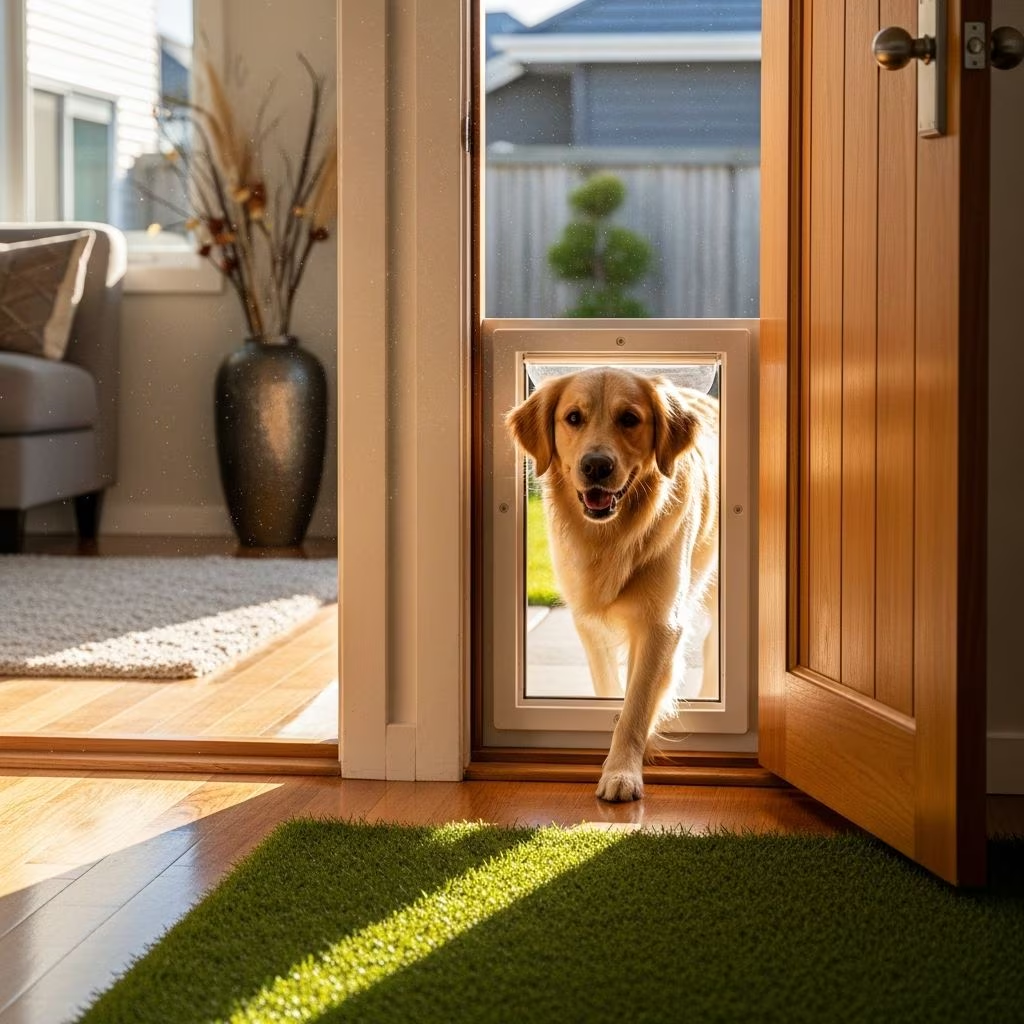
Train Your Dog to Use a Dog Door: A Comprehensive Guide
Teaching your pup to use a dog door is simple when you combine patience, consistency, and a few tasty treats. While some dogs learn to use a dog door quickly, others may stare at it as if you’ve introduced them to an alien. If your dog hesitates, don’t worry – this comprehensive guide will help you make the transition smooth and stress-free for your furry friend.
Why Install a Dog Door?
A dog door provides numerous benefits for both you and your pet. It allows your dog greater independence and freedom to move between indoor and outdoor spaces on their own schedule. For pet owners, a dog door means less disruption to your daily routine, as you won’t need to constantly get up to let your dog in and out. This can be particularly valuable during work hours or when you’re busy with household tasks. Additionally, dog doors can help with house training and provide your dog with the ability to access outdoor potty areas whenever needed.
Choosing the Right Dog Door for Your Pet
Before you begin training, selecting an appropriate dog door is crucial. The right choice depends on several factors including your dog’s size, your home’s location, and your security concerns.
Size Considerations
Dog doors come in various sizes to accommodate different breeds. Measure your dog from shoulder to ground to ensure the opening is tall enough, and measure their width to confirm adequate passage space. A door that’s too small will frustrate your dog, while one that’s unnecessarily large may compromise insulation and security.
Security Concerns
Security is a significant concern when installing a dog door. Traditional dog doors can be entry points for unwanted visitors like raccoons, possums, or even intruders. Consider options with locking mechanisms that you can secure when you’re away or at night. Electronic dog doors that open only for your dog’s collar tag provide excellent protection while still allowing your pet unrestricted access during designated times.
Weatherproofing
If you live in an area with extreme temperatures or frequent storms, choose an insulated dog door to prevent drafts and maintain energy efficiency. Weatherproofing is essential for protecting your home’s interior climate and reducing your heating and cooling costs. Look for doors with magnetic seals or flap insulation to keep your home comfortable year-round.
Your Dog’s Personality and Readiness
Temperament and training readiness play a significant role in how quickly your dog adapts to a dog door. Confident, curious dogs typically learn quickly, while cautious or older dogs need extra encouragement, training, and time. Puppies or rescue dogs may require gradual introductions, especially if they’re hesitant about new experiences or haven’t had positive exposure to novel situations.
Dog Door Training Checklist
Before you start training your dog to use a dog door, gather these essential items and create the right environment:
- A properly installed dog door
- High-value treats (small, soft treats work best)
- A leash (optional for extra guidance)
- A calm and positive training environment
- Patience and encouragement
According to Dr. Patricia McConnell, a certified animal behaviorist, “Dogs learn best through positive reinforcement. If a dog hesitates to use a doggie door, creating a fun and rewarding experience (like using their favorite treats or toys) can help them build confidence.” Consistency is key – training sessions should be brief, encouraging, and repetitive until your pup understands the door’s purpose.
Step-by-Step Guide to Teaching Your Dog to Use a Dog Door
Step 1: Introduce the Dog Door with the Flap Off
Before asking your dog to push through a mysterious flap in the door, remove it so they can see a clear opening. This removes the intimidation factor and helps your dog understand what they’re being asked to do. Toss a treat to the other side to encourage them to investigate and become familiar with the space.
Step 2: Have Your Dog Sit in Front of the Door
Bring them to the dog door and allow them to sniff and examine it thoroughly. Speak in reassuring tones to build their confidence and help them feel safe exploring this new feature. Let them take their time becoming comfortable with the opening.
Step 3: Toss a Treat Through the Open Door
Throw a treat through the opening and encourage your dog to retrieve it. If they hesitate, use a favorite toy or food they can’t resist. The goal is to create positive associations with moving through the door opening. Make this fun and rewarding rather than forced.
Step 4: Let Your Dog Go Through the Door
Once your dog goes through the door, praise them enthusiastically and give them another treat. If needed, gently guide them through using a leash or by having someone on the other side call them. Celebrate this accomplishment as it’s a major milestone in the training process.
Step 5: Call Your Dog Back Inside with a Treat
Encourage them to return through the door using the same treat method. This is a critical step that reinforces the idea that the doggie door works both ways. Your dog needs to understand they can exit and re-enter freely through the same opening.
Step 6: Add the Flap Back to the Dog Door
Once your dog is comfortable coming and going through the open door, reattach the flap. Hold it up slightly at first, then gradually lower it over several training sessions so your pup learns to push it themselves. This gradual approach prevents the startling sensation of the flap touching their head or nose.
Step 7: Slowly Remove Treats from the Learning Process
After a few successful repetitions, reduce the treat rewards while offering positive reinforcement through praise and affection. Eventually, your pup will use the door confidently and independently without needing extra motivation. The transition from treat-based to praise-based rewards helps your dog become self-motivated.
Training Timeline and Expectations
The time required to train your dog to use a dog door varies depending on your individual pet. Most dogs learn within a few days with consistent training sessions. However, nervous or older dogs may take up to a week or more with consistent, patient practice. Puppies and rescue dogs might need additional time as they adjust to new experiences. Remember that every dog is unique, and rushing the process can create negative associations.
Troubleshooting Common Dog Door Training Challenges
Fear of the Flap
If your dog is afraid of the flap, hold it manually during practice sessions until they become accustomed to the sensation and movement. Gradually lower it as their confidence increases. Never force your dog through the flap, as this can create lasting anxiety around the door.
Won’t Go Through the Door
Try leading your dog through with a leash or have someone on the other side call them with high-value treats. You can also try using a favorite toy as motivation. Take breaks if your dog becomes frustrated and return to the training when they’re in a better mood.
Only Using the Door One Way
If your dog only goes through in one direction, repeat every training process step in reverse by starting from the other side. This helps them understand that the door is a two-way passage and builds confidence in both directions.
Seems Confused or Hesitant
Take a break from training if your dog appears overwhelmed or confused. Try again later with more patience and encouragement. Some dogs need several short sessions rather than one long training period. Keep sessions to 5-10 minutes initially to maintain your dog’s interest and enthusiasm.
Advanced Tips for Success
Once your dog has mastered basic dog door usage, you can implement additional strategies to reinforce the behavior. Consider using an automatic timer lock that allows access during certain hours, or an electronic collar-activated door for maximum security. You can also practice the behavior in different weather conditions and at different times of day to ensure your dog’s confidence remains strong in various situations.
Building Your Dog’s Confidence
The key to successful dog door training is building your dog’s confidence throughout the process. Always use positive reinforcement, never punish hesitation or fear, and celebrate small victories enthusiastically. Your dog will take cues from your energy and attitude – if you’re calm and encouraging, they’re more likely to feel safe exploring the new opening.
Frequently Asked Questions
Q: How do I teach my dog to use a dog door?
A: Start by removing or latching the doggie door flap. Then, use treats to encourage the dog to go to the other side. Gradually introduce the flap until the dog is comfortable pushing through. Follow the seven-step guide provided above for detailed instructions.
Q: How long does it take for a dog to get used to a dog door?
A: Most dogs learn within a few days with consistent training. However, nervous dogs may take up to a week or longer with continued patience and encouragement. The timeline depends on your individual dog’s temperament and previous experiences.
Q: What if my dog is afraid of the flap?
A: Hold the flap manually during training sessions until your dog becomes accustomed to it. Gradually lower the flap over time as their confidence builds. Never force your dog through, as this can create lasting fear or anxiety.
Q: Can older dogs learn to use a dog door?
A: Yes, older dogs can learn to use a dog door, though they may require more patience and encouragement than younger dogs. Take training slowly and celebrate small victories to build their confidence throughout the process.
Q: What treats work best for dog door training?
A: Use high-value treats that your dog finds irresistible – small, soft treats that are easy to eat quickly work best. Avoid large treats that take a long time to chew, as you want to maintain momentum and repeat the behavior frequently.
Conclusion: Giving Your Dog Freedom and Independence
Teaching your dog to use a dog door is a rewarding process that gives them more freedom and provides you with more convenience. With positive reinforcement, patience, and treat motivation, most dogs will master the skill in just a few days. If your dog hesitates, take it slow and celebrate small victories. They’ll soon be zipping in and out like pros, enjoying the independence and freedom that a dog door provides while you enjoy the convenience of not constantly managing their indoor-outdoor transitions.
References
- A Step-by-Step Guide to Teaching Your Dog to Use a Dog Door — Kinship. January 2026. https://www.kinship.com/dog-behavior/train-dog-to-use-dog-door
- Dog Basic Obedience & Training Guide — Kinship. January 2026. https://www.kinship.com/dog-behavior/basic-obedience-training
- Dr. Patricia McConnell on Positive Reinforcement in Dog Training — Certified Animal Behaviorist. 2025. https://www.kinship.com/dog-behavior/train-dog-to-use-dog-door



