

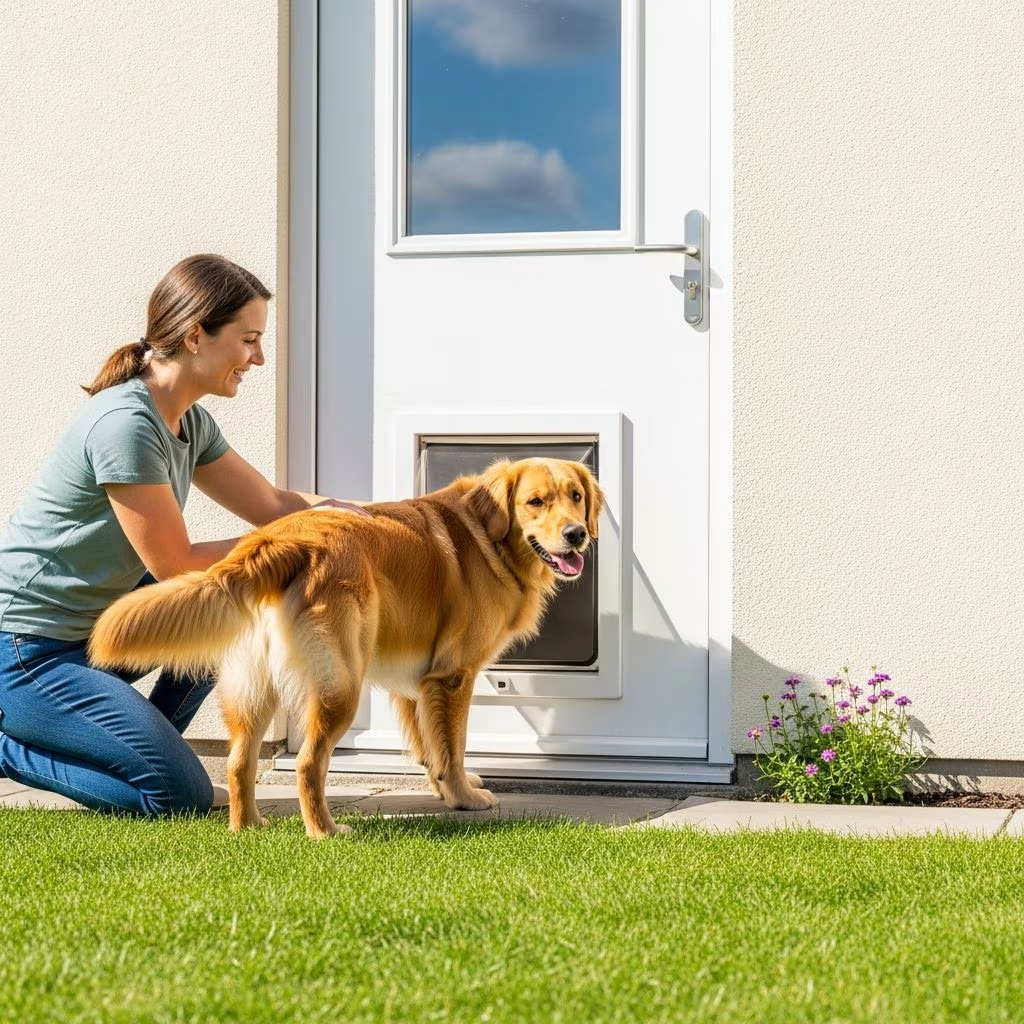
Train Your Dog to Use the Pet Door Easily
Many dog owners dream of giving their pets the freedom to go in and out as they please. A pet door can provide your dog with independence and reduce your workload, but first, your dog needs to learn how to use it. While some dogs take to pet doors naturally, others require patient training and encouragement to overcome their initial hesitation. Understanding the right techniques and maintaining consistency can make the difference between a quick learning experience and a prolonged struggle.
Getting Started: The Basic Pet Door Training Technique
The foundation of successful pet door training involves a simple yet effective approach that leverages your dog’s natural instincts and desire for rewards. Position yourself and your dog on opposite sides of the door, with you standing inside and your dog positioned outside. This setup creates a natural incentive for your dog to move toward you through the door.
Call your dog through the pet door using encouraging commands like “Come!” paired with their favorite treats. The combination of your voice, the promise of a reward, and your presence on the other side creates multiple motivations for your dog to push through the door. Repeat this exercise several times during each training session, gradually reducing the need for treats as your dog becomes more confident.
Consistency is absolutely critical during this phase. Practice the same technique multiple times until your dog successfully walks through the pet door without hesitation. Most dogs will begin to understand the mechanics of moving through the door within a few training sessions, though the timeline varies based on individual temperament and previous experiences.
Troubleshooting Common Pet Door Training Challenges
Despite your best efforts, some dogs may still struggle with pet door training. When your dog refuses to go through the door even after several attempts with their favorite treats, it’s time to investigate potential underlying causes rather than simply increasing the pressure on your dog.
Consider these common obstacles and their solutions:
Noise and Sound Sensitivity
Electronic pet doors like the PetSafe Electronic SmartDoor offer convenience through automatic opening triggered by a key worn on your dog’s collar. However, the sound these doors make upon activation can startle nervous dogs and create negative associations with the door itself. If your dog shows fear of the sound, temporarily disable the electronic portion and allow your dog to practice pushing through the manually-operated door. Once your dog is comfortable with the physical act of passing through, gradually reintroduce the electronic component using positive reinforcement like treats and praise.
Physical Obstacles and Step Height
Sometimes the issue isn’t psychological but physical. The step down from the pet door to the ground may be too steep for your dog, creating hesitation or even pain. Trainers recommend evaluating the installation from your dog’s perspective to identify any physical challenges. If you notice a significant height difference, installing a ramp can eliminate this barrier and make passage much easier for your dog.
Door Malfunction
Ensure your pet door is working properly by testing it yourself. Push your hand through to verify smooth operation and check that the flap moves freely without sticking. A malfunctioning door can create confusion and resistance in your dog, so addressing mechanical issues should be your first step.
The Art of Patient Training: What Works and What Doesn’t
The keys to successful pet door training are consistency, patience, praise, and high-value dog treats. One critical rule from professional trainers: never force your dog through the door. Forcing your dog can increase anxiety and create stronger resistance to using the door in the future, potentially setting back your training progress significantly.
Instead, make the training process enjoyable and stress-free. Play peek-a-boo through the door or use squeaky toys to capture your dog’s attention and make the experience fun. Your dog should view the pet door as an exciting opportunity, not a source of stress or punishment.
Remember that pets are remarkably adept at reading and reacting to human emotional states. Keep your demeanor calm, patient, and positive throughout the training process. Your dog will pick up on your confidence and patience, which in turn builds their own confidence in attempting the task.
How to Train Your Puppy to Use the Pet Door
Puppies often learn new skills faster than adult dogs, and pet door training can be incorporated into their overall house training regimen. The fundamental technique remains the same—position yourself inside and your puppy outside, then coax them through with treats and praise.
Combining Pet Door and Potty Training
To maximize your puppy’s learning, integrate pet door training with potty training. Have your puppy use the pet door to go outside, then take them on a leash to their designated potty spot. Wait until they use the bathroom, remove the leash, and have them use the pet door to return inside. This creates a logical connection in your puppy’s mind between the pet door and outdoor bathroom breaks.
Using Potty Pads for Training Support
Place a puppy pad outside the pet door to help your puppy understand where they need to relieve themselves. Gradually move the puppy pad away from the door toward their designated spot over successive training sessions. This gradual transition helps puppies understand the entire process while building their confidence with the pet door itself.
Making Training Fun
Puppies have shorter attention spans than adult dogs, so keep training sessions brief and highly rewarding. Play interactive games like peek-a-boo through the door, squeeze squeaky toys to maintain their attention, and celebrate every small success with enthusiastic praise and treats. These playful approaches transform training into something your puppy looks forward to rather than dreads.
With consistent practice using these techniques, your puppy will become a pet door expert before you know it, enjoying the freedom to move between indoors and outdoors on their own schedule.
Essential Equipment for Pet Door Training
Successful pet door training requires a few key supplies to set yourself up for success:
- High-value treats: Choose treats your dog loves more than anything else—these will be your primary training currency
- A harness and leash: Essential for maintaining control during training, especially when working on preventing door dashing
- Squeaky toys or other attention-getters: Useful for capturing your dog’s focus and making training more engaging
- A properly installed pet door: Ensure your door is the correct size and installed at an appropriate height for your dog
- Optional ramp or step: If you have a significant height difference between inside and outside
Establishing Training Consistency and Patience
The most important factor in pet door training success isn’t the specific technique or equipment—it’s your commitment to consistency and patience. Most pets will learn to use a pet door with just a few short training sessions when approached with the right mindset. The fundamental rule is to be patient with your pet and allow them time to work out for themselves that they can successfully go through the door.
Set realistic expectations based on your dog’s age, temperament, and previous experiences. A confident adult dog might master pet door usage in days, while an anxious rescue dog or timid puppy might need weeks of gradual exposure. Neither timeline is better or worse—they’re simply different paths to the same goal.
Maintain a calm, positive emotional state during training sessions. Your dog will sense your frustration or impatience, which can undermine your training efforts. If you feel yourself becoming frustrated, take a break and resume training when you’re in a better mental state.
Advanced Pet Door Options: Electronic Doors
Electronic pet doors represent an upgrade from traditional manual flap doors, offering features like automatic opening and selective entry. These doors use keys or collars to identify your dog and open automatically when your pet approaches. This technology can prevent unwanted animals from entering your home while giving your dog convenient, independent access.
The training process for electronic doors follows the same basic principles as manual doors, with one important consideration: the sound. Many electronic doors emit a beep when activated, which can startle dogs unfamiliar with the noise. Start by disabling the electronic sound feature during initial training, allowing your dog to become comfortable with the physical action of pushing through the door. Once they’re confident, reintroduce the electronic component gradually, rewarding your dog’s continued compliance with treats and praise.
Frequently Asked Questions About Pet Door Training
Q: How long does it take to train a dog to use a pet door?
A: Most dogs learn to use a pet door within a few short training sessions, typically days to weeks depending on age and temperament. Puppies and confident adults often learn faster than anxious dogs, but patience and consistency matter more than speed.
Q: What should I do if my dog is afraid of the pet door?
A: Identify the source of fear—it might be sound, physical obstacles, or the door mechanism itself. Address the specific issue, such as disabling electronic sounds or installing a ramp, and practice with positive reinforcement rather than pressure.
Q: Can I use an electronic pet door for training?
A: Yes, electronic pet doors are excellent training tools. However, disable the electronic sound during initial training to prevent startling your dog. Reintroduce the sound gradually once your dog is comfortable with the physical door.
Q: Should I force my dog through the pet door if they’re resistant?
A: No. Forcing your dog through the door increases anxiety and can create lasting resistance. Instead, use patience, consistency, positive reinforcement, and treats to encourage voluntary participation.
Q: How can I combine pet door training with house training my puppy?
A: Have your puppy use the pet door to go outside for bathroom breaks, then reward successful outdoor elimination. Gradually move puppy pads from the door to their designated potty spot to establish the connection.
Q: What treats work best for pet door training?
A: Use high-value treats that your dog loves more than everyday snacks. These could be small pieces of chicken, cheese, or specialized training treats. Reserve these premium rewards for pet door training to maintain their motivational value.
References
- Train Your Dog to Use the Pet Door – Chewy — Chewy Education. 2025. https://www.chewy.com/education/dog/grooming/make-doggy-door-training-easy
- Everything You Need to Know About Pet Doors — Chewy Education. 2025. https://www.chewy.com/education/dog/general/everything-you-need-to-know-about-pet-doors
- Your Essential Guide to Basic Dog Obedience Training — Chewy Education. 2025. https://www.chewy.com/education/dog/training-and-behavior/sit-stay-and-beyond-weve-got-the-essential-guide-to-basic-dog-obedience-training
- How To Potty Pad Train Your Dog — Chewy Education. 2025. https://www.chewy.com/education/dog/training-and-behavior/3-steps-potty-pad-training-dog



