

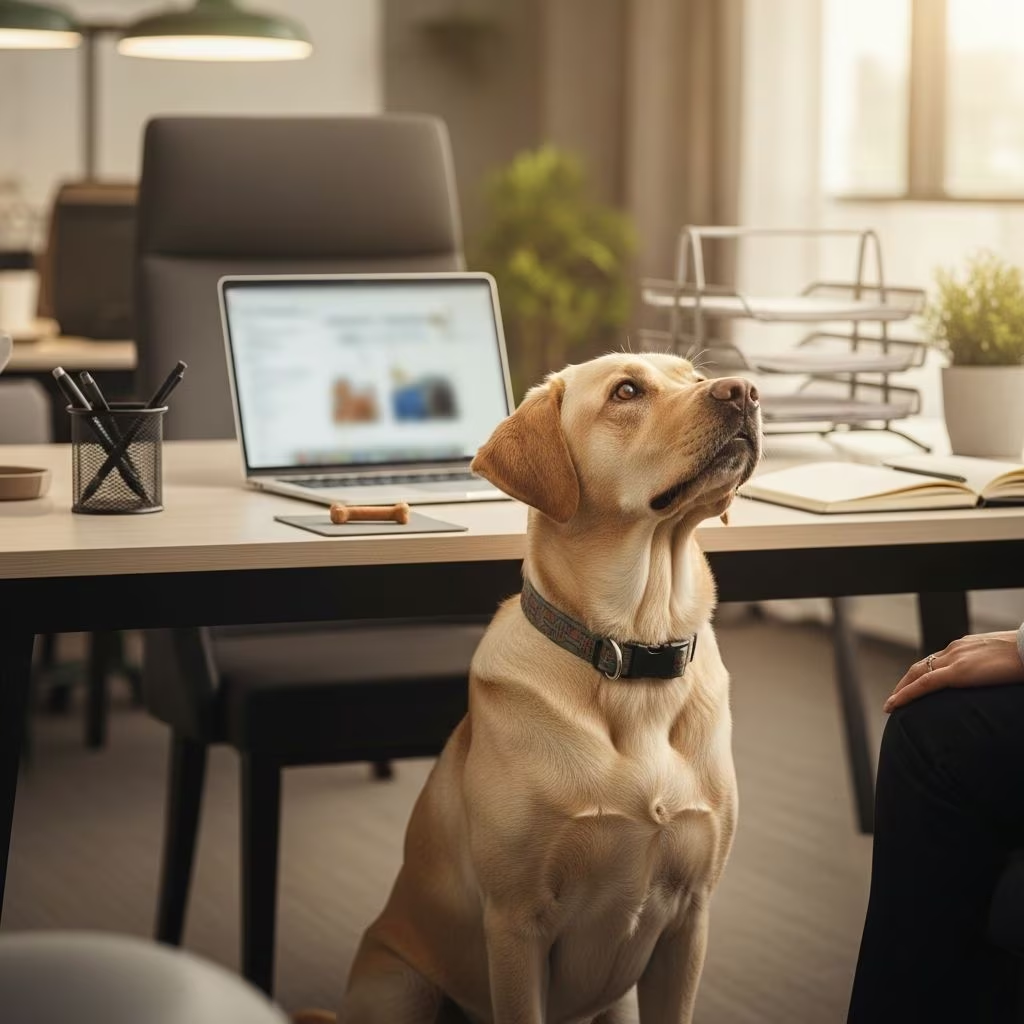
Bringing your dog to the office can be a rewarding experience for both you and your furry companion. However, successful office visits require careful preparation and realistic expectations. Whether you’re planning to participate in National Take Your Dog to Work Day or considering regular office visits, understanding how to train your dog for this environment is essential. This comprehensive guide covers everything you need to know to set your dog up for success in the workplace.
Be Realistic About Your Dog
The first step in preparing your dog for the office is honest self-assessment. You need to understand both your dog’s temperament and your office environment before making the commitment. Not every dog is suited for the workplace, and recognizing this early prevents stressful situations for everyone involved.
Evaluate Your Dog’s Personality
Consider your dog’s existing behavior patterns and social tendencies. If your dog has known issues with other dogs or people, the office environment may not be an appropriate setting. Dogs that struggle with social interactions at home will likely find the office overwhelming with its increased number of people and potential distractions.
Similarly, if your dog is highly energetic and frequently gets into trouble at home, they will struggle significantly in an office setting. An office filled with temptations—garbage cans, fallen food items, and numerous people—can trigger unwanted behaviors in a naturally hyper dog. The controlled environment of home is vastly different from the complexity of a workplace.
Potty Training is Non-Negotiable
Before bringing your dog to the office, ensure they are completely reliable with potty training. Accidents happen, but your dog needs to demonstrate consistent bathroom habits. Even the cutest dog won’t be forgiven for soiling a coworker’s belongings or creating messes in shared spaces. This is one area where perfection truly matters in a professional environment.
Teach Your Pup to Chill
The fundamental difference between your dog’s expectations and office reality is the purpose of being there. Your dog likely associates outings with play and fun—dog parks, daycare, and recreational visits have shaped their understanding of what happens when they leave home.
Shift Your Dog’s Mindset
Office visits require a completely different mindset from your dog. Instead of play and activity, your dog’s primary job is to remain calm and relaxed while you work. This represents a significant shift from their normal understanding of outings, and it requires deliberate training.
The challenge is that if your dog only experiences stimulating environments outside the home, they’ll expect the office to be equally exciting. This expectation creates frustration when they discover their human is sitting at a desk, working, and essentially ignoring them for hours.
Build Settling Skills at Home
Before attempting an office visit, establish strong settling behaviors at home. Your dog needs to become comfortable with the concept of quiet time and relaxation. Practice these techniques:
- Introduce crate training with positive associations, making the crate a comfortable space for napping
- Teach down/stay behavior, practicing while you’re engaged in quiet activities like reading
- Gradually increase environmental stimulation during settling practice
- Practice settling during yoga classes, when friends visit, or during other home activities
Progressive Stimulus Introduction
Train your dog to settle in increasingly stimulating environments. Start with quiet home settings, then gradually introduce more activity around them. If your dog can remain calm while you host friends or during other household activities, they’ll have a much better chance of managing the office environment successfully.
Practice Real-Life Scenarios
While basic obedience and socialization are foundational, your dog needs to apply these skills in realistic situations. There’s a significant difference between performing a trained behavior during a focused training session and executing it in real-world contexts.
Context is Everything
Your dog may perform a perfect “stay” when you hold your hand up and walk backward slowly during training sessions, but this doesn’t translate automatically to office situations. Your dog needs to understand specific commands in the context where they’ll be needed.
Real-world scenarios your dog might encounter in the office include:
- Delivery personnel arriving and unloading packages
- Finding discarded food items in trash cans or under desks
- Coworkers walking past their space or entering the office
- Extended periods alone in your office while you attend meetings
- Open-concept office environments with constant movement and noise
Simulate Office Situations at Home
Create training scenarios that mirror office challenges. If you’ll need to leave your dog alone for meetings, practice tethering them in one room while you work in another. This helps them become comfortable with your absence without anxiety.
If your office has an open layout, simulate busy environments. Take your dog to an outdoor cafe and practice having them settle by your side while you work on your laptop or catch up on emails. This real-world practice in public spaces with activity happening nearby is invaluable preparation.
Practice “drop it” commands by deliberately leaving tempting items nearby during training. Your dog needs to reliably release items on command, including half-eaten sandwiches they retrieve from garbage cans.
Set Your Dog Up For Success in the Office
Even well-trained dogs benefit from environmental management in new settings. Setting your dog up for success through strategic space arrangement significantly increases the likelihood of positive outcomes.
Use Physical Containment Strategically
Not all dogs can handle free rein in the office, even if they’re well-trained. Containment methods serve multiple purposes: they allow your dog to observe office activities while preventing unwanted behaviors. Consider these options:
- Keep your dog on a leash at your desk for direct supervision and immediate control
- Use a puppy pen to create a safe space with visibility of surrounding activity
- Establish a designated office crate as a quiet retreat when needed
- Utilize office corner spaces that allow monitoring without freedom to roam
Provide Appropriate Enrichment
Your dog will be spending hours at the office without their normal activities. Proper enrichment keeps them occupied and prevents boredom-related behaviors. Provide a variety of options:
- Durable chew toys for sustained chewing
- Interactive puzzle toys that require mental engagement
- Long-lasting chews like bully sticks or yak chews
- Rotating toys throughout the day to maintain novelty
- Treat-dispensing toys that reward problem-solving
Establish a Comfortable Space
Your dog’s office space should feel secure and comfortable. Include a comfortable bed or mat, ensure proper ventilation, and keep water easily accessible. A familiar item from home, like a blanket or toy, can provide comfort in the new environment.
Pre-Office Training Checklist
| Training Element | Importance Level | Practice Duration |
|---|---|---|
| Reliable potty training | Critical | 6+ weeks before visit |
| Settle/calm behavior | Critical | 4+ weeks before visit |
| Basic obedience (sit, stay, down) | Critical | Ongoing |
| Drop it command | High | 2+ weeks before visit |
| Leash walking | High | Ongoing |
| Crate comfort | High | 4+ weeks before visit |
| Comfort with people passing by | Moderate | 2+ weeks before visit |
| Comfort with being alone briefly | Moderate | 2+ weeks before visit |
Common Office Challenges and Solutions
Challenge: Excessive Barking or Whining
Solution: Ensure your dog has had sufficient exercise before arriving at the office. Practice “quiet” commands at home and reward calm behavior. If barking occurs in the office, redirect to a toy or treat rather than giving attention to the behavior.
Challenge: Jumping on Coworkers
Solution: Teach a “sit” greeting behavior and reward your dog when they greet people with all four paws on the floor. Ask coworkers not to engage with jumping behavior and to only interact when your dog is calm.
Challenge: Wandering or Exploring
Solution: Use leash tethering or a puppy pen to prevent free roaming. This prevents your dog from investigating areas they shouldn’t be in and getting into trouble.
Challenge: Anxiety When Alone
Solution: Practice separation anxiety exercises at home before office visits. Leave your dog alone for progressively longer periods and reward calm behavior when you return. Consider bringing a favorite toy or item that smells like home.
Frequently Asked Questions
Q: What age should my dog be before taking them to the office?
A: Your dog should be at least 4-6 months old with reliable potty training and basic obedience skills. Puppies typically need more frequent breaks and have less impulse control, making office visits challenging.
Q: Can I train my dog for office visits if they have anxiety?
A: Dogs with separation anxiety or general anxiety may struggle with office environments. Address underlying anxiety issues first through positive reinforcement training and potentially with professional help before attempting office visits.
Q: How often can I bring my dog to the office?
A: Start with occasional visits—perhaps once a month—to ensure your dog doesn’t become anxious about the schedule. As they become comfortable, you can gradually increase frequency. Some offices allow weekly or more frequent visits from well-adjusted dogs.
Q: What should I do if my dog has an accident in the office?
A: Clean it up immediately and thoroughly to prevent repeated accidents in the same spot. This is a signal that your dog may need more training or that office visits aren’t appropriate at this time. Increase potty breaks before office trips.
Q: Are there any dog breeds that do better in office environments?
A: Dogs with lower energy levels, fewer prey drives, and good social temperaments tend to do better in offices. However, individual personality matters more than breed. Any dog with the right training and temperament can succeed with proper preparation.
Q: How many potty breaks does my dog need during an office day?
A: Most adult dogs need breaks every 4-6 hours. Plan potty breaks at lunchtime and mid-afternoon at minimum. Younger dogs may need breaks every 2-3 hours, so consider their needs when planning office visits.
Q: What’s the best way to introduce my dog to my office space?
A: Start with brief visits to an empty or quiet office during off-hours. Let your dog explore and become familiar with the space. Gradually introduce more people and activity over multiple visits before expecting them to handle a full work day.
Final Thoughts
Taking your dog to the office is an achievable goal with proper preparation, realistic expectations, and consistent training. The key to success lies in honestly assessing your dog’s temperament, teaching them to settle and relax, practicing real-world scenarios, and setting them up for success through environmental management. By following these guidelines and investing time in preparation, you and your dog can enjoy a positive office experience that benefits everyone involved.
References
- How to Train Your Dog for a Day At the Office — Kinship. 2024. https://www.kinship.com/dog-behavior/take-dog-to-work-training
- Why Positive Reinforcement Training Works — Kinship. 2024. https://www.kinship.com/dog-behavior/positive-reinforcement-training-works
- How to Train Against a Dog’s Nature — Kinship. 2024. https://www.kinship.com/dog-behavior/working-dog-training



