

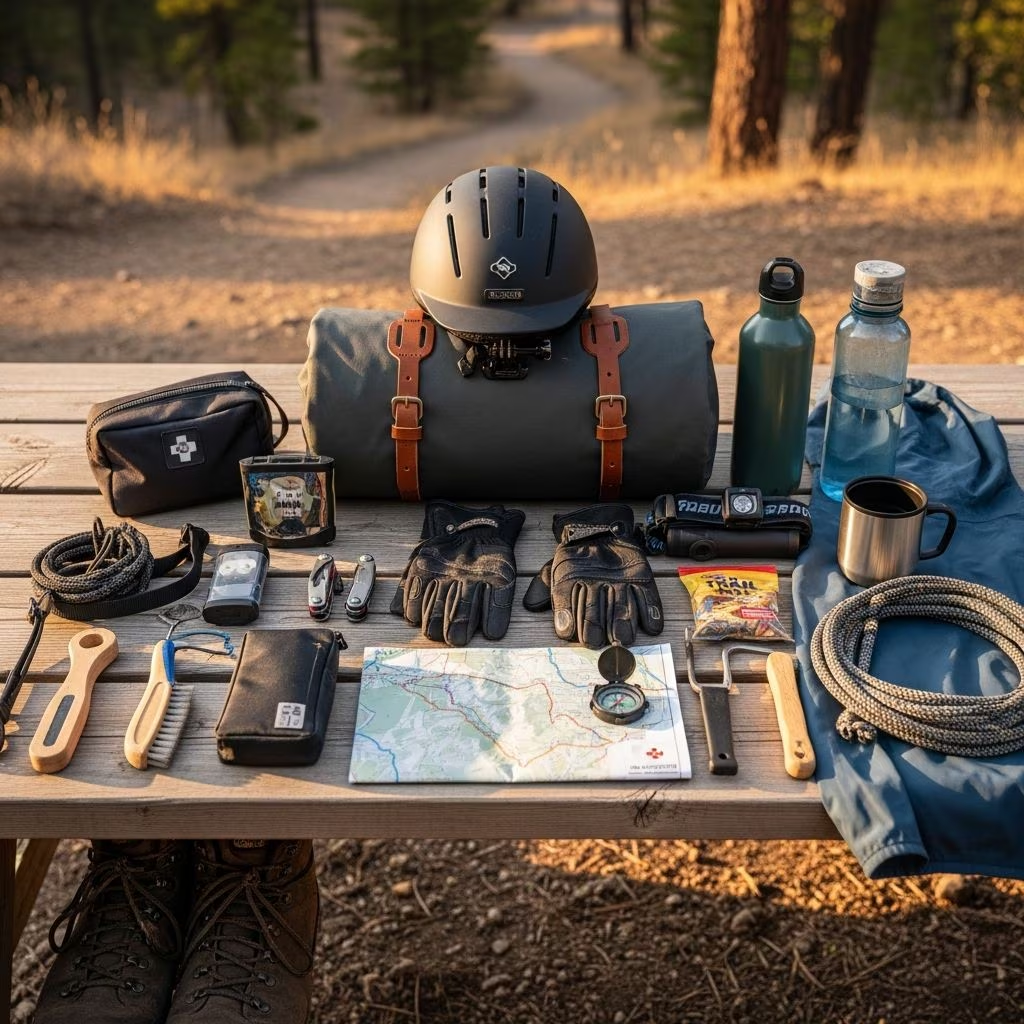
Trail Riding Gear Packing List: Your Complete Equipment Guide
Whether you’re planning a leisurely afternoon ride through local trails or embarking on a multi-day backcountry adventure, proper preparation and packing are essential for a safe, comfortable, and enjoyable experience. Understanding what gear and equipment to bring can make the difference between a great trail ride and a challenging one. This comprehensive guide covers everything you need to know about packing for trail riding, from basic day ride essentials to advanced multi-day expedition gear.
Essential Gear for Day Rides
Day rides are a popular choice for many trail enthusiasts, offering the opportunity to explore local trails without the commitment of an overnight adventure. However, even short rides require proper preparation and essential equipment to ensure safety and comfort.
Rider Clothing and Personal Protection
Proper clothing is fundamental to a comfortable trail riding experience. Invest in breathable, weather-appropriate clothing that allows freedom of movement and protects you from the elements. Waterproof layers are crucial for unexpected weather changes, as conditions can shift rapidly on the trail. Additionally, consider wearing sturdy riding gloves that provide grip and protection from branches and underbrush.
Protect your face and eyes by bringing sunglasses or goggles to shield against sun, dust, and debris. Sunscreen and lip balm with SPF are non-negotiable items for protecting your skin from harmful UV rays during extended time outdoors. Bug spray is essential for deterring insects, particularly during warmer months when mosquitoes and other pests are active.
Safety and Navigation Equipment
Safety should always be your top priority when trail riding. A safety whistle can alert others to your location in case of emergency and can help during rescue situations. A high-visibility vest increases your visibility to other trail users and emergency responders. Paper trail maps serve as an essential backup to GPS applications or phone-based navigation systems, ensuring you won’t be lost if your electronic devices fail or lose battery power.
Hydration and Nutrition
Staying hydrated throughout your ride is critical for both you and your horse. Bring sufficient water for yourself and consider packing snacks and drinks to maintain your energy levels. A basic first aid kit should include bandages, pain relievers, antiseptic wipes, antibiotic ointment, and any personal medications you may require. Vet wrap is particularly valuable as it can serve as a bandage for both human and equine injuries.
Practical Tools and Accessories
A sharp knife or trail saw is indispensable for clearing small branches or vines that may block your path. A hoof pick should never be left behind, as it’s essential for cleaning your horse’s hooves and removing rocks or debris that could cause discomfort or injury. Consider investing in quality saddle bags to carry your essentials efficiently and keep your hands free while riding.
Extended Gear for Full-Day and Multi-Day Rides
Longer trail rides and those venturing into remote areas require additional planning and equipment beyond basic day ride essentials. These extended adventures demand more comprehensive preparation to ensure safety, comfort, and care for both you and your horse.
Enhanced Safety and Visibility Gear
For full-day and multi-day rides, maintain all the safety items mentioned for day rides, but consider adding a personal lantern or flashlight for navigating low-light conditions. Extended rides may require riding during dawn, dusk, or nighttime hours, making reliable lighting equipment essential. Battery-powered helmet lights provide hands-free illumination and are particularly useful when navigating technical terrain in reduced visibility.
Comprehensive First Aid and Medical Supplies
Extended rides demand more comprehensive first aid preparation. Your kit should include additional bandages, emergency blankets for longer rides, instant cold packs, and an updated emergency contact list. Consider assembling separate first aid kits for both you and your horse, ensuring you have appropriate supplies for both human and equine emergencies. Pain relievers, antiseptic wipes, and antibiotic ointment should all be included in adequate quantities.
Horse Care and Comfort Equipment
For longer rides, bringing a collapsible water bucket allows you to provide water to your horse at rest stops and during breaks. Horse sunscreen protects your horse’s sensitive areas, particularly the nose and ears, from sunburn during extended exposure. Fly masks and fly boots become more important on longer rides, especially in areas with high insect populations or challenging terrain where fly protection is necessary. However, only use these items if your horse is accustomed to wearing them and if the terrain is appropriate for their use.
Horse Feeding and Hydration Supplies
Proper nutrition is crucial for maintaining your horse’s energy and health during extended rides. Pack horse treats, hay, or grain depending on your horse’s dietary needs and your trip duration. For long hauls, experienced trail riders recommend bringing multiple bales of hay per animal. If your horse requires medication maintenance, bring oral syringes for administering Banamine or other necessary medications. Include electrolyte solutions to replenish essential minerals lost through perspiration during strenuous activity.
Buckets for feeding and water are essential items for longer rides. If your horse typically receives grain, ensure you have appropriate feeding containers. Collapsible buckets are particularly convenient for packing and storage, as they take minimal space when not in use.
Environmental Protection and Camp Gear
For multi-day adventures, waterproof tarps protect your equipment from rain and weather. Durable, lightweight rain gear should be kept accessible at all times, often tied to the back of your saddle. Layer your clothing to accommodate temperature fluctuations, as wilderness conditions can change dramatically throughout the day and during nighttime hours. A lightweight fleece blanket or cooler for your horse provides comfort during temperature drops and can be used during trailer rides home.
Comprehensive Horse Care Equipment
Maintaining your horse’s health and comfort during trail rides requires thoughtful preparation and appropriate equipment specifically designed for equine care.
Grooming and Tack Care
Pack grooming supplies including brushes, towels, and a sponge for basic horse care during extended rides. A hoof pick is essential for regular hoof maintenance and rock removal. Consider bringing a spare shoe and knowing how to tack one on in case of emergency hoof damage. Extra stirrup leathers and an extra pair of reins provide backup in case of equipment failure. Duct tape and bungee cords are invaluable for emergency repairs and gear management.
Insect and Fly Protection
Fly spray is essential for protecting your horse from biting insects that can cause irritation, transmit diseases, and distract from the ride experience. Fly masks with covered ears provide comprehensive protection for sensitive facial areas. Fly boots protect the legs and belly from insect bites. Select fly protection products that are safe, effective, and appropriate for your horse’s preferences and the trail environment.
Emergency and Veterinary Supplies
A well-stocked farrier kit should include a shortened rasp, hoof knife, hammer, and appropriate shoe nails for emergency hoof repairs. Know the location of the nearest veterinary clinic and understand what emergency services are available in your trail area. For multi-day expeditions into remote areas, consider carrying additional emergency supplies including stable wraps, pads, ice packs, and shipping boots if your horse typically wears leg protection.
Navigation and Communication Equipment
Modern trail riding benefits from both traditional and technological navigation tools. Carry paper maps as a reliable backup to GPS applications and smartphone navigation systems. GPS units and devices like Garmin InReach provide added peace of mind, particularly in remote wilderness areas where cell service is unavailable. Consider carrying binoculars for wildlife viewing and terrain assessment from a distance.
Personal Hygiene and Comfort Items
For extended rides, personal comfort items become increasingly important. Pack hygiene essentials including toilet tissue and wet wipes. Environmentally safe and biodegradable shampoo and soap are essential considerations for wilderness travel, protecting water sources and the environment. Additional personal items might include a bath towel, washcloth, toothbrush and paste, skin lotion, and hair brush or comb. A headlamp or flashlight with extra batteries provides hands-free illumination for camp activities and nighttime needs.
Tack and Equipment Considerations
Your basic riding equipment should be in excellent condition before any trail ride. Ensure your saddle, bridle, breastplate, cinch or girth, and saddle pad are properly fitted, clean, and well-maintained. Quality saddle bags or pack bags are essential for carrying your gear efficiently. Invest in durable, waterproof equipment that will withstand the demands of trail riding and backcountry travel.
Packing Strategy and Weight Management
When packing for extended trail rides and backcountry expeditions, weight management becomes critical. Many outfitters recommend limiting total personal belongings to 35 pounds per person for multi-day pack trips. Use durable duffle bags or specialized pack bags, as these are easier for outfitters to pack efficiently. Prioritize items by necessity, bringing only what you truly need while still maintaining safety and comfort.
Rain gear and jackets are often kept accessible on the back of your saddle and typically don’t count against weight limits. Keep frequently needed items like sunscreen, water bottles, sunglasses, gloves, and first aid supplies readily accessible in pommel bags or easily reachable saddle bag compartments. Organize your packing methodically to ensure important items aren’t buried in deep pack bags where they’ll be difficult to access during your ride.
Seasonal Considerations
Trail riding in different seasons requires adjusting your packing strategy. Fall rides may benefit from lightweight coolers or fleece blankets for temperature fluctuations. Summer rides require additional emphasis on sun protection, hydration, and insect protection. Winter or early spring rides demand more comprehensive cold-weather gear, including warm jackets, wool sweaters, and down vests for cooler evenings. Think carefully about how you can layer your clothing to accommodate temperature changes throughout your ride and after dark.
Pre-Ride Preparation
Before deparking on any trail ride, brush up on basic first aid skills for both human and equine emergencies. Assemble your first aid kit carefully, ensuring it contains all necessary supplies. Check weather forecasts to adjust your gear accordingly. Inform someone of your planned route and expected return time. Ensure your horse is properly conditioned for the intended distance and terrain.
Frequently Asked Questions
Q: What’s the most important item to pack for a day trail ride?
A: Water is the most critical item for both you and your horse. Staying hydrated is essential for safety and performance. However, a first aid kit, navigation tools, and a sharp knife for trail maintenance are equally important safety items.
Q: How much water should I bring for a trail ride?
A: Bring at least 2-3 liters of water for day rides, though requirements vary based on temperature, ride duration, and terrain difficulty. For longer rides, consider bringing a collapsible water bucket to provide water for your horse at regular intervals.
Q: Can I use human first aid supplies for my horse?
A: Some items like vet wrap can serve dual purposes for both human and equine injuries. However, horses have different medical needs than humans. Consult your veterinarian about appropriate supplies for your horse’s specific needs and any medications they require.
Q: What should I do if my horse goes lame during a trail ride?
A: Stop riding immediately to prevent further injury. Examine the hoof with your hoof pick to check for rocks or debris. Use your first aid kit if needed. If lameness is severe, don’t attempt to ride out; instead, lead your horse slowly to safety or call for assistance.
Q: How do I protect my horse from insects during long rides?
A: Apply fly spray before your ride and reapply as recommended by the product instructions. Consider using fly masks and fly boots if your horse is accustomed to wearing them and the terrain permits. Natural fly deterrents using pine tar and citronella are also effective options.
Q: Is it necessary to bring a paper map if I have GPS on my phone?
A: Yes, absolutely. Paper maps are essential backups because phones can lose battery power, lose signal, or malfunction. Always carry reliable navigation tools and know how to use them before you need them.
Q: What should be in my horse’s first aid kit?
A: Include vet wrap, bandages, sterile gauze, antiseptic ointment, pain relievers, electrolyte paste or powder, any medications your horse requires, and emergency supplies. Consult your veterinarian for specific recommendations based on your horse’s health and needs.
References
- Your Complete Trail Riding Gear Packing List — Chewy. 2025. https://www.chewy.com/education/horse/general/what-to-pack-when-trail-riding
- Gear List for Summer Horse Pack Trips — 406 Wilderness Outfitters. https://406wildernessoutfitters.com/scenic-horse-pack-trips/gear-list-summer-horse-pack-trips/
- The Ultimate Trail Riding Checklist — Parelli Natural Horsemanship. https://shopus.parelli.com/blogs/savvystation/the-ultimate-trail-riding-checklist
- Your Ultimate Fall Trail Ride Packing List — My New Horse, Equus Magazine. 2025-09-23. https://mynewhorse.equusmagazine.com/2025/09/23/your-ultimate-fall-trail-ride-packing-list/
- What to Pack When Mountain Camping on Horseback — Painted River Ranch. https://paintedriverranch.net/category/what-to-pack-when-mountain-camping-on-horseback/
- Camp Gear for Horse Packing — Western Trail Rider. 2019-04. https://westerntrailrider.com/wordpress/blog/2019/04/camp-gear-for-horse-packing/



