

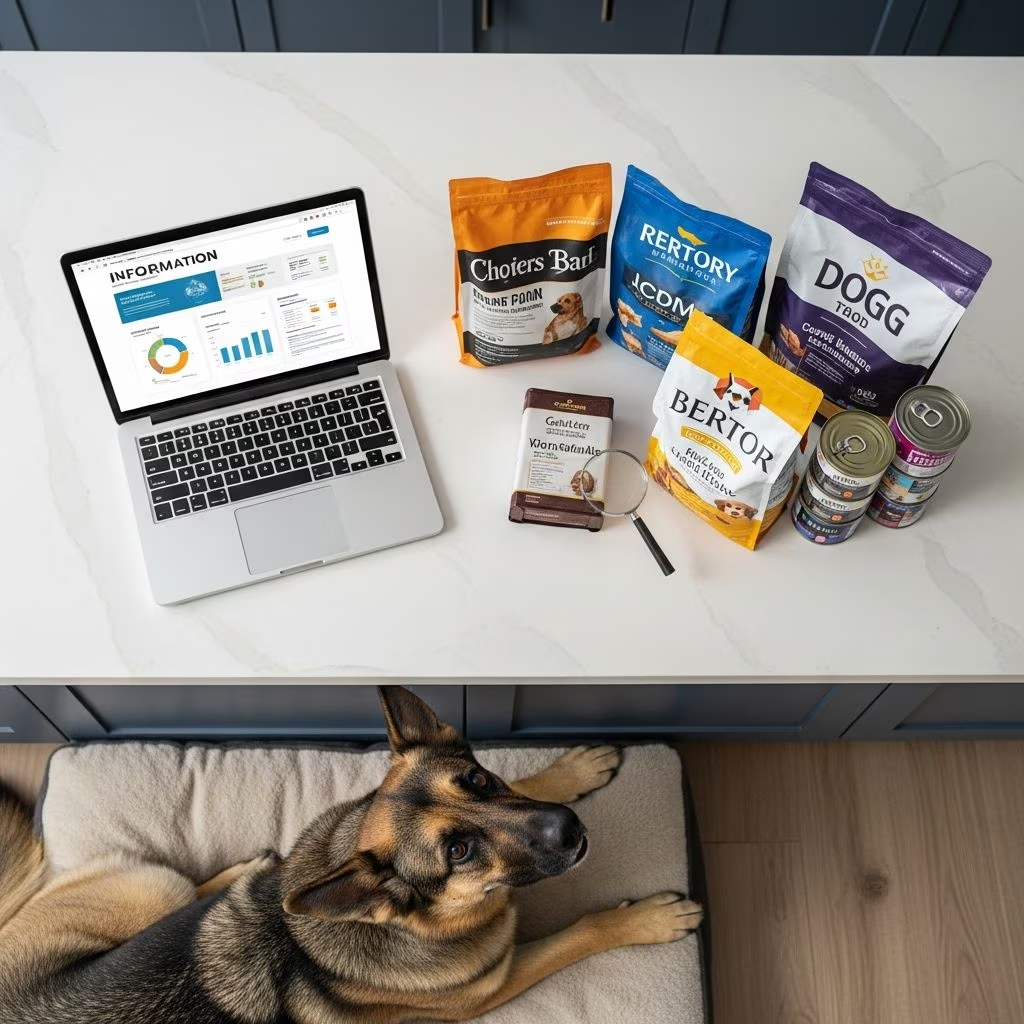
Dog food recalls occur when manufacturers identify potential health risks in their products, prompting swift action to remove them from shelves. These events protect pets from contaminants like Salmonella or harmful toxins, and owners can stay informed through reliable channels to act quickly.
Understanding the Recall Process
The recall system for pet food operates under strict regulations enforced primarily by the U.S. Food and Drug Administration (FDA). Manufacturers initiate most recalls voluntarily after internal testing reveals issues such as microbial contamination, foreign objects, or labeling errors. Federal oversight ensures these products are effectively withdrawn, with three main recall classifications based on severity: Class I for high-risk products posing serious health threats, Class II for temporary or reversible issues, and Class III for unlikely health impacts.
Pet food companies maintain detailed safety plans, including recall protocols that coordinate with suppliers, distributors, and retailers. While the FDA has authority under the Food Safety Modernization Act (FSMA) to mandate recalls, this has not yet been exercised; instead, requests or voluntary actions suffice in nearly all cases. State regulators or veterinary reports can also trigger investigations leading to recalls.
Common Triggers for Dog Food Recalls
Recalls stem from various hazards identified during production, storage, or consumer reports. Bacterial contaminations like Salmonella and Listeria top the list, often linked to raw ingredients or poor handling. Other frequent causes include mold toxins such as aflatoxins, which proved deadly in past incidents involving multiple brands.
Physical contaminants like plastic fragments or metal shards appear in frozen or processed foods, while chemical imbalances or drug residues in treats have prompted withdrawals. Insanitary conditions, including rodent or avian infestation during storage, have led to broad recalls affecting pet foods alongside human products. Recent examples highlight ongoing vigilance: in 2023, multiple brands faced Salmonella-linked recalls investigated by the FDA and CDC.
| Date | Brand(s) | Issue | Type |
|---|---|---|---|
| 2023-11-09 | Mid America Pet Food brands | Salmonella | Recall |
| 2022-03-22 | OC Raw Dog | FDA Warning | Warning |
| 2022-06-18 | Freshpet | Potential contamination | Recall |
| 2021-12-30 | Sportmix | Deadly mold toxin | Recall |
| 2019-09-03 | Berkley Jensen | Drug residue | Recall |
This table summarizes select historical recalls, illustrating patterns in triggers and responses.
Official Resources for Monitoring Recalls
The FDA’s Recalls, Market Withdrawals, & Safety Alerts page serves as the primary hub for real-time updates on pet food issues. It lists active recalls with details on affected products, distribution areas, and health risks, including terminated recalls where corrective actions are complete. Pet owners should check lot codes on packaging against these listings.
- FDA Animal & Veterinary Recalls: Comprehensive database covering dog food, treats, and related veterinary products.
- Pet Food Institute (PFI): Explains recall mechanics and links to FDA resources, emphasizing industry self-regulation.
- AVMA Recalls & Alerts: Veterinary-focused updates on pet foods and medications.
University extensions like Cornell’s Riney Canine Health Center provide curated summaries of ongoing investigations, such as the 2023 Salmonella outbreak.
Practical Steps if Your Dog Food is Recalled
Upon discovering a recall for a product in your home, immediate action minimizes risks. Cease feeding the item to your dog right away, even if no symptoms appear, as subclinical exposures can lead to long-term issues.
- Verify the lot code or best-by date against the recall notice.
- Contact the manufacturer for return instructions, refunds, or replacements—most offer these promptly.
- Return the product to the retailer if unopened, or dispose of it securely to prevent access by pets or wildlife.
- Monitor your dog for symptoms like vomiting, diarrhea, lethargy, or tremors; consult a veterinarian if observed.
- Switch to a verified safe alternative while researching nutrition profiles.
Document all communications with the company for potential reimbursement claims.
Proactive Habits for Pet Food Safety
Beyond reactive checks, build routines to preempt risks. Subscribe to FDA email alerts or RSS feeds for instant notifications. Apps and newsletters from sites like Dog Food Advisor aggregate recalls chronologically, aiding pattern recognition.
Examine packaging upon purchase: note production dates, lot numbers, and guarantees. Opt for brands with transparent sourcing and third-party testing. Store food in cool, dry places to avoid secondary contamination, and rotate stock to use oldest first.
Join pet owner communities or follow veterinary social media for early warnings, but cross-verify with official sources to avoid misinformation.
Impact of Recalls on Dog Health
Untreated contaminated food poses severe threats. Salmonella can cause gastrointestinal distress in dogs and zoonotic transmission to humans, particularly vulnerable groups like children and elderly. Aflatoxins damage livers irreversibly, as seen in the 2021 Sportmix tragedy. Foreign materials risk choking or intestinal blockages requiring surgery.
Early detection through recalls has averted widespread harm, but statistics underscore urgency: the FDA tracks thousands of annual food alerts across categories. Owners reporting symptoms via FDA’s Safety Reporting Portal aid investigations.
Choosing Safer Dog Food Options Post-Recall
After a recall, evaluate alternatives rigorously. Prioritize AAFCO-compliant formulas stating complete and balanced nutrition. Research via the FDA’s Pet Food Calculator or advisor sites for ratings.
- Review ingredient lists for whole foods over by-products.
- Check for recalls history using databases spanning 2009 onward.
- Consider fresh or limited-ingredient diets if allergies factor in.
- Consult vets for breed-specific needs, like large joints for giants.
Test small batches before full transitions to monitor tolerance.
Frequently Asked Questions
What should I do if my dog ate recalled food?
Stop feeding immediately, watch for illness signs, and contact your vet. Report to FDA if symptoms develop.
How often do dog food recalls happen?
Dozens annually, varying by year; 2022 saw multiple Salmonella and mold cases.
Are raw diets more prone to recalls?
Yes, due to bacterial risks, but proper handling mitigates this.
Can I get a refund for recalled food?
Typically yes; reach out to the manufacturer using contact info on the recall notice.
Is recalled food safe after a while?
No—dispose of it entirely to avoid risks.
Future Trends in Pet Food Safety
Advancements like blockchain tracing and AI monitoring promise faster recalls. Enhanced FSMA rules demand preventive controls, reducing incidents. Consumer demand drives transparency, with more brands publishing lab results online.
Owners play a vital role by reporting issues promptly, strengthening the safety net. By staying informed and vigilant, you ensure your dog’s meals support health, not hazards.
References
- How Pet Food Product Recalls Work — Pet Food Institute. 2023. https://www.petfoodinstitute.org/how-pet-food-product-recalls-work/
- Recalls & Withdrawals — U.S. Food and Drug Administration. 2026-02-17. https://www.fda.gov/animal-veterinary/safety-health/recalls-withdrawals
- Pet food and toy recalls — Cornell University College of Veterinary Medicine. 2023-11-09. https://www.vet.cornell.edu/departments-centers-and-institutes/riney-canine-health-center/canine-health-topics/pet-food-and-toy-recalls
- Gold Star Distribution Inc., Issues Recall — U.S. Food and Drug Administration. 2024. https://www.fda.gov/safety/recalls-market-withdrawals-safety-alerts/gold-star-distribution-inc-issues-recall-certain-fda-regulated-products-three-states-including-drugs
- Dog Food Recalls — Dog Food Advisor. 2026. https://www.dogfoodadvisor.com/dog-food-recalls/
- Recalls/Safety Alerts Search — American Veterinary Medical Association. 2026. https://www.avma.org/news/recalls-alerts



