

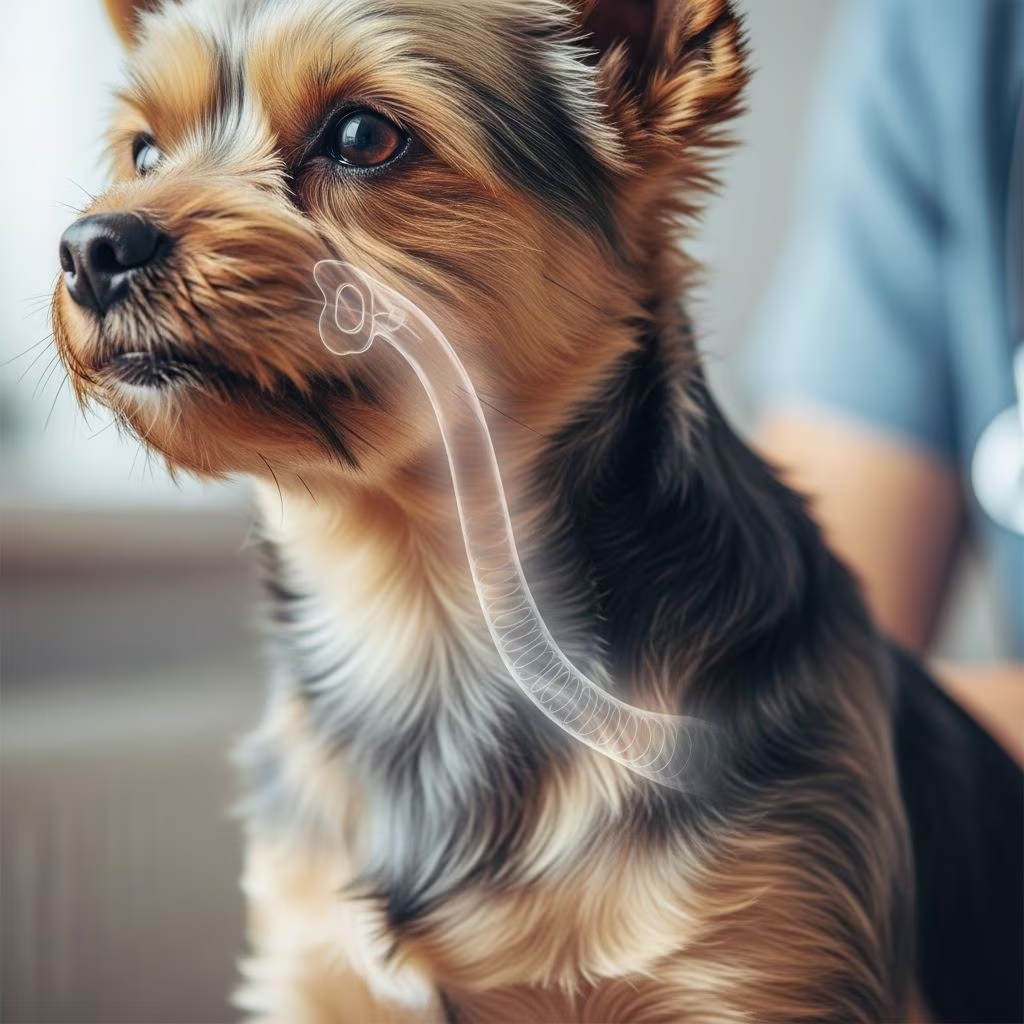
Understanding Tracheal Collapse in Dogs
Tracheal collapse is a progressive condition affecting the windpipe (trachea) in dogs, characterized by the weakening and flattening of the cartilage rings that normally keep the airway open. This condition is particularly common in small breed dogs and can significantly impact their quality of life. When the tracheal rings weaken, they fail to maintain their structural integrity, causing the windpipe to flatten and restrict airflow during breathing. This results in the distinctive symptoms that many dog owners recognize, particularly a chronic cough that resembles a goose honk.
The condition typically develops gradually over time and is considered progressive, meaning it may worsen without proper management. While there is no cure for tracheal collapse, many dogs, especially those with mild disease, respond well to medical management strategies that can help control symptoms and improve their comfort levels. Understanding this condition is essential for dog owners to recognize early warning signs and seek appropriate veterinary care.
Which Dogs Are Most At Risk
Tracheal collapse predominantly affects small breed dogs, with certain breeds showing higher predisposition than others. Toy breeds such as Yorkies, Pomeranians, Chihuahuas, and Maltese dogs are among the most commonly affected. However, the condition can occur in dogs of any size or breed. The risk increases significantly in middle-aged to older dogs, though the condition can develop at any age.
Several factors contribute to the development of tracheal collapse beyond breed predisposition. Obesity is a major risk factor, as excess weight places additional strain on the respiratory system and can accelerate the condition’s progression. Additionally, environmental factors such as exposure to dust, smoke, and air pollutants can increase the likelihood of developing tracheal collapse or worsen existing symptoms. Dogs with a genetic predisposition combined with environmental stressors are at highest risk for developing this condition.
Recognizing the Symptoms
The most distinctive symptom of tracheal collapse is a chronic, nonproductive cough that often sounds like a honking goose. This characteristic cough tends to worsen with excitement, exercise, eating, drinking, or when the dog pulls on a collar. The cough may also intensify during nighttime hours and can be triggered by sudden temperature changes or exposure to irritants.
Beyond the cough, dogs with tracheal collapse may display several other clinical signs:
- Rapid or labored breathing
- Abnormal breathing sounds or wheezing
- Difficulty breathing or dyspnea
- Low energy levels and exercise intolerance
- Gagging or retching
- Bluish tinge to the gums or tongue (cyanosis)
- Fainting or collapse episodes
- Severe panting
It’s important to note that coughing from tracheal collapse does not produce phlegm or nasal discharge, distinguishing it from other respiratory conditions. The severity of symptoms can vary considerably between individual dogs and may fluctuate based on environmental conditions and the dog’s activity level.
Environmental and Lifestyle Factors That Worsen Symptoms
Several environmental and lifestyle factors can exacerbate symptoms in dogs with tracheal collapse. Obesity significantly worsens the condition by increasing pressure on the airways and reducing the dog’s respiratory efficiency. Warm and humid weather can trigger breathing difficulties, as can exposure to dust, smoke, and other airborne irritants. Cold air may also provoke coughing episodes in some dogs.
Additionally, excitement and stress can substantially worsen symptoms, as increased anxiety triggers rapid breathing and coughing. Dogs that pull forcefully on collars experience direct pressure on the weakened trachea, intensifying symptoms. Even simple activities like eating or drinking can trigger coughing fits in affected dogs, requiring careful management of daily routines.
Diagnosis and Grading
Diagnosing tracheal collapse typically begins with a thorough history and physical examination. Your veterinarian will review the dog’s symptoms, their progression, and any triggering factors. During physical examination, a veterinarian may palpate the trachea to elicit coughing, which is a common diagnostic indicator. However, definitive diagnosis often requires imaging studies such as radiographs or fluoroscopy to visualize the collapsed trachea during breathing cycles.
Tracheal collapse is classified into four grades based on the degree of airway obstruction. Grade 1 represents mild collapse with minimal airway obstruction, while Grade 4 represents severe collapse with significant airway narrowing. This grading system helps determine the appropriate treatment approach and predict the dog’s prognosis. Grade 3 and 4 collapses typically require more aggressive treatment strategies, including potential surgical intervention.
Medical Management and Treatment Options
Overview of Treatment Approaches
Collapsing trachea can be treated medically, surgically, or by combining both approaches. Most mild and moderate cases of tracheal collapse respond well to medical management without requiring surgery. The choice of treatment depends on the severity of the collapse, the dog’s overall health status, response to medications, and the owner’s treatment preferences.
Medication-Based Treatments
Medical management is the first-line treatment for most dogs with tracheal collapse and involves several categories of medications designed to reduce symptoms and improve breathing.
Cough Suppressants
Cough suppressants are often the foundation of medical treatment, as breaking the coughing cycle is critical to preventing further airway irritation. Each cough further irritates and inflames the airways, perpetuating a destructive cycle. Medications such as hydrocodone bitartrate, butorphanol, and tramadol are commonly prescribed in liquid or pill form. These medications soothe the airways and reduce the urge to cough, allowing the inflamed tissues time to recover.
Bronchodilators
Bronchodilators such as theophylline, terbutaline, and albuterol help relax airway muscles and widen small airways within the lungs, reducing pressure on the trachea. These medications can be prescribed in pill form or as inhaled treatments using a spacer device. Inhaled bronchodilators are often easier to administer to dogs in respiratory distress and deliver medication directly to affected airways with lower systemic side effects.
Corticosteroids
Anti-inflammatory steroids such as prednisone and fluticasone reduce inflammation in the windpipe and surrounding tissues. These medications can be administered orally or by inhalation. Inhaled corticosteroids have significantly lower risks of serious side effects compared to oral administration and require much lower drug doses. Like bronchodilators, inhaled steroids require a spacer device for proper administration.
Sedatives and Anti-Anxiety Medications
When dogs become anxious, excited, or overwhelmed, their symptoms often worsen substantially. Sedatives such as butorphanol and acepromazine help lightly sedate dogs to reduce anxiety and stress, minimizing symptom onset. These medications are particularly useful for dogs whose coughing episodes are triggered by excitement or anxiety-inducing situations.
Additional Medications
Maropitant citrate (Cerenia) has been used to help decrease inflammation in the airways and may provide additional symptom relief. Antibiotics are prescribed when secondary respiratory infections develop, which can occur as a complication of tracheal collapse. In respiratory emergencies, dogs require immediate veterinary attention, oxygen therapy, and the medications listed above.
Lifestyle Modifications
Beyond medications, several lifestyle changes are essential for managing tracheal collapse:
- Weight Management: Maintaining a healthy weight reduces pressure on the airways and improves respiratory efficiency.
- Harness Usage: Using a harness instead of a collar eliminates direct pressure on the weakened trachea during walks.
- Environmental Control: Avoiding exposure to dust, smoke, and air pollutants helps prevent symptom exacerbation.
- Temperature Management: Keeping the dog in cool, well-ventilated areas helps reduce breathing difficulties, as warm and humid environments worsen symptoms.
- Stress Reduction: Minimizing excitement and providing a calm environment reduces anxiety-triggered coughing episodes.
- Treating Concurrent Conditions: Managing any associated lung diseases like chronic bronchitis or heart disease improves overall respiratory function.
Surgical Treatment Options
When medical management fails to control symptoms adequately, or in cases of severe tracheal collapse (Grade 3 or 4), surgical intervention may be considered. Surgical treatments include tracheal ring prosthetics or intraluminal tracheal stents designed to support the collapsed airway and maintain patency. However, it is important to understand that surgery may be palliative in nature and does not restore the trachea to normal function. Additionally, surgery does not always decrease or resolve cough in all cases, and the decision to proceed requires careful discussion with your veterinarian about risks and expected outcomes.
Managing Respiratory Emergencies
Dogs with severe tracheal collapse may experience acute episodes of respiratory distress characterized by gasping, severe coughing, bluish gums, or fainting. These situations constitute medical emergencies requiring immediate veterinary attention. Signs of severe respiratory distress include belly breathing, loss of consciousness, or inability to breathe effectively. If your dog exhibits these signs, seek emergency veterinary care immediately, as supplemental oxygen and emergency medications may be necessary to stabilize breathing.
In emergency situations, keeping the dog calm and moving them to a cool, well-ventilated area can help temporarily. If supplemental oxygen is available, it should be provided to increase oxygen delivery to the lungs and reduce respiratory strain.
Long-Term Prognosis and Quality of Life
The prognosis for dogs with tracheal collapse varies depending on the severity of the condition, the dog’s response to treatment, and the consistency of management strategies. Most dogs with mild to moderate disease manage well with medical therapy and lifestyle modifications, living normal lifespans with acceptable quality of life. With appropriate treatment and management, many dogs experience significant symptom improvement and can continue enjoying regular activities appropriate to their condition.
Owners should understand that tracheal collapse is a chronic condition requiring ongoing management rather than a condition with a definitive cure. Regular veterinary monitoring helps assess treatment effectiveness and allows for adjustments to medication regimens as needed. Consistent adherence to lifestyle modifications and medication protocols significantly improves outcomes and prevents disease progression.
Frequently Asked Questions About Tracheal Collapse
Q: Is tracheal collapse hereditary?
A: While there is a genetic predisposition, particularly in small breed dogs, tracheal collapse develops as a result of multiple factors including genetics, age, weight, and environmental exposure. It is not entirely hereditary but rather multifactorial in origin.
Q: Can tracheal collapse be cured?
A: No, tracheal collapse cannot be cured. However, it can be effectively managed through medical therapy, lifestyle modifications, and in some cases, surgical intervention to improve quality of life and control symptoms.
Q: How quickly does tracheal collapse progress?
A: The progression rate varies significantly between individual dogs. Some dogs may experience slow progression over years, while others may show more rapid changes. Regular veterinary monitoring helps track progression.
Q: What is the best treatment for tracheal collapse?
A: The best treatment is individualized based on your dog’s specific condition. Most dogs respond well to medical management with medications and lifestyle modifications. Your veterinarian will recommend the most appropriate approach for your pet.
Q: Can my dog exercise with tracheal collapse?
A: Dogs with tracheal collapse can exercise, but activity should be tailored to their condition. Gentle, controlled exercise is generally better than intense activity. Avoid situations that trigger coughing episodes, and always use a harness rather than a collar.
Q: How often should my dog see a veterinarian if diagnosed with tracheal collapse?
A: Initial veterinary visits should establish a baseline and develop a treatment plan. Follow-up visits typically occur within 2-4 weeks to assess medication response. Ongoing monitoring may be needed every 3-6 months depending on disease progression and response to treatment.
References
- Tracheal Collapse — Cornell University College of Veterinary Medicine. 2024. https://www.vet.cornell.edu/departments-centers-and-institutes/riney-canine-health-center/canine-health-topics/tracheal-collapse
- Collapsing Trachea in Dogs – Everything You Need to Know — PetMD. 2024. https://www.petmd.com/dog/general-health/collapsing-trachea-dogs-everything-you-need-know
- Tracheal Collapse In Dogs: What It Is, Symptoms To Look For, And How To Treat It — Trudell Animal Health. 2024. https://trudellanimalhealth.com/blogs/blog/tracheal-collapse-in-dogs-what-it-is-symptoms-to-look-for-and-how-to-treat-it
- Collapsed Trachea in Dogs: Causes, Signs, and Treatment — American Kennel Club. 2024. https://www.akc.org/expert-advice/health/collapsed-trachea-in-dogs/
- 10 Natural Treatments for Collapsed Trachea in Dogs — Pawprint Oxygen. 2024. https://pawprintoxygen.com/blogs/healthy-paws/10-natural-treatments-for-collapsed-trachea-in-dogs
- Tracheal Collapse in Dogs: Everything You Need to Know — MedVet. 2024. https://www.medvet.com/tracheal-collapse-in-dogs/
- Tracheal Collapse — Today’s Veterinary Practice. 2024. https://todaysveterinarypractice.com/respiratory-medicine/tracheal-collapse/
- Tracheal Collapse in Dogs — VCA Animal Hospitals. 2024. https://vcahospitals.com/know-your-pet/tracheal-collapse-in-dogs



