

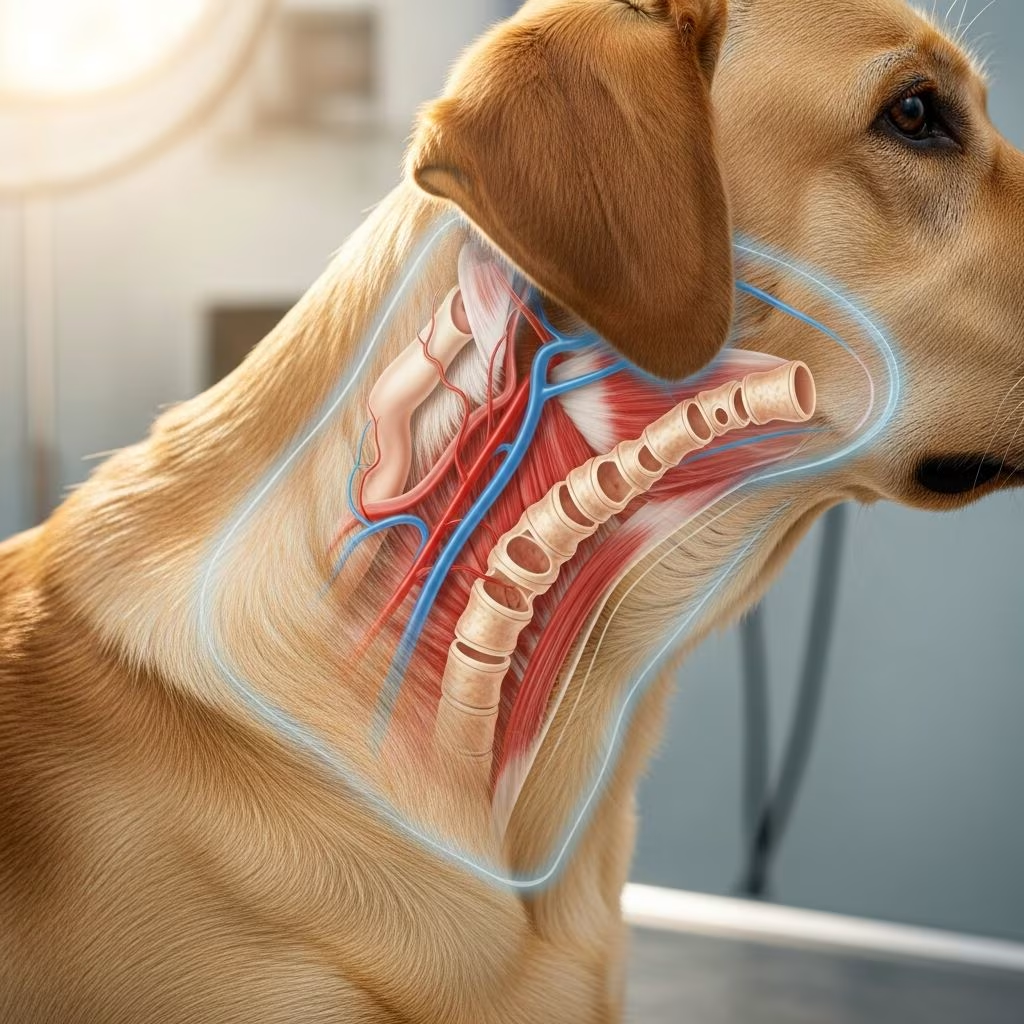
Tracheal collapse is a progressive respiratory condition primarily affecting small breed dogs, characterized by the weakening and flattening of the tracheal cartilage rings, leading to airway obstruction and breathing challenges. This guide explores the condition’s mechanisms, identification, management approaches, and long-term care strategies to support affected dogs.
What Causes the Trachea to Collapse in Dogs?
The trachea, or windpipe, consists of C-shaped cartilage rings that maintain its structure for air passage. In dogs prone to collapse, these rings soften and lose rigidity, causing the airway to narrow or flatten during breathing, especially inhalation. This dynamic process worsens with age, excitement, or external pressures.
- Primary Risk Factors: Genetic predisposition in toy and small breeds such as Yorkshire Terriers, Pomeranians, Chihuahuas, and Poodles, often manifesting in middle age or later.
- Contributing Elements: Obesity increases respiratory effort, chronic bronchitis or heart disease exacerbates symptoms, and irritants like smoke or dust trigger flare-ups.
- Anatomical Vulnerabilities: Some dogs exhibit fixed malformations from birth, while others develop dynamic collapse influenced by respiration.
Understanding these causes emphasizes prevention through breed awareness and early intervention.
Recognizing Early Warning Signs
Owners often first notice a chronic, harsh cough resembling a goose honk, particularly triggered by exercise, eating, drinking, or excitement. This sound arises from airway vibration against the narrowed trachea.
| Stage | Symptoms | Severity |
|---|---|---|
| Grade 1-2 (Mild) | Intermittent honking cough, mild exercise intolerance | Manageable with lifestyle changes |
| Grade 3 (Moderate) | Frequent coughing, wheezing on inspiration, reduced energy | Requires medical therapy |
| Grade 4 (Severe) | Gasping, cyanotic gums, fainting, rapid shallow breathing | Emergency veterinary care needed |
Additional indicators include abnormal respiratory noises, lethargy, and intolerance to heat or humidity, which amplify airway resistance. Prompt recognition prevents progression to life-threatening distress.
How Veterinarians Diagnose Tracheal Collapse
Diagnosis begins with a thorough history and physical exam, focusing on the characteristic cough and breed predisposition. Imaging confirms the extent:
- Radiographs: Standard X-rays reveal tracheal narrowing, especially under cervical extension.
- Fluoroscopy: Real-time imaging captures dynamic collapse during breathing cycles.
- Endoscopy: Visualizes internal airway flattening, ruling out concurrent issues like tumors.
Bloodwork and cardiac evaluations identify comorbidities such as hypothyroidism or mitral valve disease, common in affected breeds. Early diagnosis via these tools guides tailored management.
Medical Management Strategies
Most cases, particularly mild to moderate, respond effectively to conservative therapy aimed at symptom control and inflammation reduction. No cure exists, but medications improve quality of life significantly.
Key Pharmacological Options
- Cough Suppressants: Hydrocodone, butorphanol, or tramadol interrupt the cough-irritation cycle, reducing tracheal trauma.
- Bronchodilators: Theophylline, terbutaline, or albuterol (oral or inhaled via spacers like AeroDawg) dilate lower airways, easing pressure on the trachea.
- Corticosteroids: Prednisone or inhaled fluticasone minimize swelling; inhaled forms offer fewer systemic side effects.
- Sedatives/Anti-Anxiety: Acepromazine or low-dose butorphanol calm excitement-triggered episodes.
- Antibiotics: Used judiciously for secondary infections.
Treatment plans are customized, often starting with cough suppressants and escalating as needed.
Lifestyle Modifications for Daily Comfort
Beyond medications, environmental and behavioral adjustments are crucial for long-term success.
- Use a harness instead of a collar to eliminate neck pressure during walks.
- Maintain ideal body weight through vet-guided diet to lessen breathing demands.
- Avoid irritants: no smoking, aerosols, or dusty environments; ensure good ventilation and regular air filter changes.
- Minimize excitement: short, calm walks; avoid overheating or high humidity.
- Elevate food/water bowls to reduce coughing during meals.
These changes, combined with weight management, can dramatically alleviate symptoms.
Surgical Interventions for Advanced Cases
When medical management fails in severe, focal collapses, surgery offers palliation. Options include:
- Extraluminal Rings: Plastic or polypropylene rings placed around the trachea to prevent flattening; best for cervical regions.
- Intraluminal Stents: Self-expanding mesh inserted endoscopically; suitable for thoracic collapse but risks migration or fracture.
Success rates vary (70-90% improvement), but cough may persist, and complications like granulation tissue require monitoring. Referral to specialists is recommended.
Prognosis and Long-Term Outlook
With diligent management, many dogs enjoy years of good quality life, even with Grade 3-4 disease. Progression is slow, and mild cases may need only occasional therapy. Owners should monitor for emergencies: blue gums, collapse, or open-mouth breathing demand immediate care, often involving oxygen and intensive meds. Regular vet check-ups adjust protocols as needed.
Preventive Measures for At-Risk Breeds
While genetics can’t be altered, proactive steps mitigate risks:
- Spay/neuter to potentially reduce hormonal influences on cartilage.
- Obesity prevention from puppyhood.
- Early screening for breeds over 4-6 years old.
Frequently Asked Questions (FAQs)
Is tracheal collapse fatal?
Not typically; most dogs manage well with treatment, though severe untreated cases can lead to respiratory failure.
Can large dogs get tracheal collapse?
Rarely; it’s overwhelmingly a small breed issue.
How much do treatments cost?
Medical management: $50-200/month; surgery: $3,000-7,000, varying by location and complexity.
Does weight loss help?
Yes, significantly; even 10-20% reduction eases symptoms.
Can inhaled meds replace pills?
Often yes, with fewer side effects using devices like AeroDawg.
References
- Tracheal Collapse | Cornell University College of Veterinary Medicine — Cornell University. 2023. https://www.vet.cornell.edu/departments-centers-and-institutes/riney-canine-health-center/canine-health-topics/tracheal-collapse
- Tracheal Collapse In Dogs: What It Is, Symptoms To Look For, And How To Treat It — Trudell Animal Health. 2024. https://trudellanimalhealth.com/blogs/blog/tracheal-collapse-in-dogs-what-it-is-symptoms-to-look-for-and-how-to-treat-it
- Collapsing Trachea in Dogs – PetMD — PetMD. 2024. https://www.petmd.com/dog/general-health/collapsing-trachea-dogs-everything-you-need-know
- Tracheal Collapse | Today’s Veterinary Practice — Today’s Veterinary Practice. 2023. https://todaysveterinarypractice.com/respiratory-medicine/tracheal-collapse/
- Tracheal Collapse in Dogs | VCA Animal Hospitals — VCA Animal Hospitals. 2024. https://vcahospitals.com/know-your-pet/tracheal-collapse-in-dogs



