

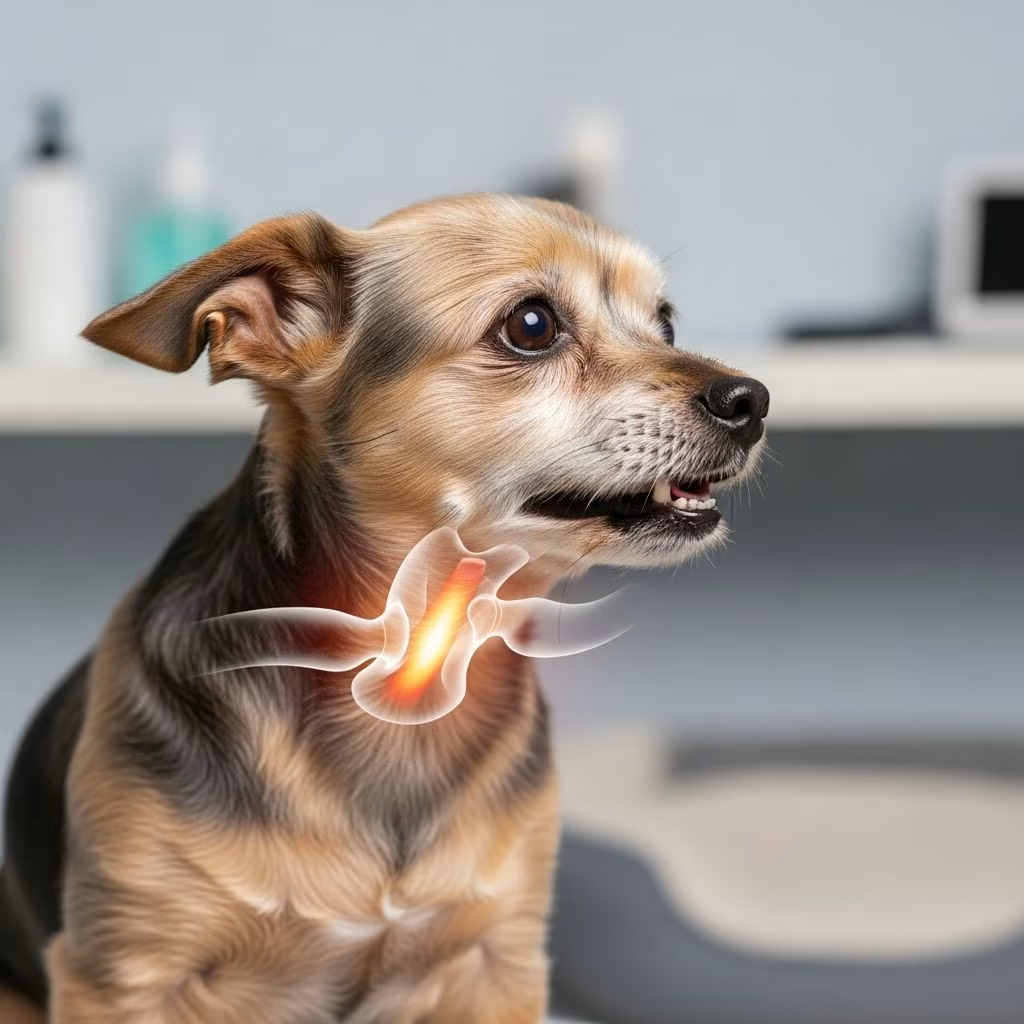
Understanding Tracheal Collapse in Dogs
Tracheal collapse is a progressive respiratory condition in dogs where the cartilage rings that support the trachea (windpipe) weaken and flatten, restricting airflow to the lungs. This condition is particularly common in small dog breeds and can significantly impact a dog’s quality of life if left untreated. While there is no cure for tracheal collapse, many dogs, especially those with mild disease, will respond well to medical management and lifestyle modifications.
What is Tracheal Collapse?
The trachea is a tube made of C-shaped cartilage rings that carries air from the throat to the lungs. In dogs with tracheal collapse, these supporting cartilage rings gradually weaken and lose their rigidity, causing the windpipe to flatten and narrow. This restriction prevents adequate airflow and triggers the characteristic symptoms associated with the condition. Tracheal collapse can affect different segments of the trachea, ranging from the cervical trachea (upper portion) to the intrathoracic trachea (lower portion within the chest cavity).
Causes and Risk Factors
While the exact cause of tracheal collapse is not fully understood, several factors contribute to its development and progression:
- Breed Predisposition: Small dog breeds such as Toy Poodles, Chihuahuas, Pomeranians, and Shih Tzus are significantly more prone to tracheal collapse than larger breeds.
- Age: The condition typically develops in middle-aged to senior dogs, though it can occur at any age.
- Obesity: Excess weight increases pressure on the respiratory system and can exacerbate tracheal collapse symptoms.
- Environmental Factors: Exposure to dust, smoke, and pollution can trigger or worsen symptoms.
- Weather Conditions: Humid or warm weather can significantly worsen breathing difficulties in affected dogs.
- Underlying Conditions: Heart disease, chronic bronchitis, and other respiratory conditions can complicate tracheal collapse.
Recognizing the Symptoms
The symptoms of tracheal collapse can vary in severity and may develop gradually or suddenly. Pet owners should be alert to the following signs:
Primary Symptoms
The most distinctive symptom of tracheal collapse is a chronic, dry cough that sounds similar to a goose honk or seal bark. This cough typically worsens with exercise, excitement, eating, drinking, or exposure to irritants. Dogs may experience frequent coughing episodes that can last several minutes, though these episodes usually resolve on their own without producing phlegm or nasal discharge.
Secondary Symptoms
As the condition progresses, dogs may exhibit additional respiratory symptoms including rapid or labored breathing, abnormal breathing sounds, difficulty breathing, exercise intolerance, gagging, and wheezing. In severe cases, dogs may experience fainting episodes due to inadequate oxygen supply.
Advanced Stage Indicators
When tracheal collapse advances to Grade 4 (the most severe stage), dogs may show signs of severe respiratory distress, including gasping, belly breathing, bluish discoloration of the gums and tongue (cyanosis), lethargy, and fainting episodes. These signs require immediate veterinary attention.
Diagnosis of Tracheal Collapse
Veterinarians employ multiple diagnostic methods to confirm tracheal collapse and assess its severity:
- Medical History and Physical Examination: The veterinarian will review symptoms, breed, age, and perform a thorough physical examination, often reproducing the characteristic cough by gently applying pressure to the trachea.
- Radiography: X-rays can reveal tracheal narrowing and help identify the location and extent of collapse.
- Fluoroscopy: Dynamic imaging that captures the trachea during the breathing cycle, allowing visualization of dynamic collapse.
- Computed Tomography (CT Scan): Provides detailed cross-sectional images of the trachea for precise assessment.
- Endoscopy: A minimally invasive procedure allowing direct visualization of the tracheal interior.
Grading System for Tracheal Collapse
Veterinarians classify tracheal collapse into four grades based on severity:
| Grade | Description | Tracheal Lumen Narrowing |
|---|---|---|
| Grade 1 | Minimal collapse with minimal clinical signs | 0-25% narrowing |
| Grade 2 | Mild to moderate collapse with occasional coughing | 25-50% narrowing |
| Grade 3 | Moderate to severe collapse with frequent symptoms | 50-75% narrowing |
| Grade 4 | Severe collapse with significant respiratory distress | 75-100% narrowing |
Medical Management and Treatment Options
Collapsing trachea can be treated medically, surgically, or by combining both approaches. Most mild and moderate cases are successfully managed with medications and lifestyle modifications.
Medications for Tracheal Collapse
Cough Suppressants
Cough suppressants are typically the first line of treatment, as they break the coughing cycle that perpetuates tracheal irritation. Medications such as hydrocodone bitartrate, butorphanol, and tramadol work by suppressing the cough reflex and reducing airway irritation. These are often administered as syrups or tablets and help prevent the inflammation and further damage caused by continuous coughing.
Bronchodilators
Bronchodilators like theophylline, terbutaline, and albuterol are particularly helpful when collapse occurs in the lower trachea. These medications relax the muscles surrounding the airways and widen the bronchial passages, allowing more oxygen to reach the bloodstream and reducing pressure on the collapsed trachea. Bronchodilators can be administered orally as pills or tablets, or as inhaled medications using a spacer device.
Anti-Inflammatory Medications
Corticosteroids such as prednisone and fluticasone reduce inflammation in the windpipe and surrounding airways. These medications can be taken orally or by inhalation. Inhaled corticosteroids are often preferred because they deliver medication directly to the affected area while minimizing systemic side effects and requiring significantly lower doses.
Sedatives
Sedative medications including butorphanol and acepromazine help manage anxiety and excitement, which commonly worsen tracheal collapse symptoms. Light sedation can significantly reduce the frequency and severity of coughing episodes by keeping dogs calm and reducing respiratory stress.
Additional Medications
Antibiotics may be prescribed if respiratory infections develop, as secondary infections are common in dogs with tracheal collapse. Maropitant citrate (Cerenia®) has also been utilized to help decrease inflammation in the airways and reduce associated nausea.
Lifestyle Modifications
Beyond medications, several lifestyle changes can significantly improve symptoms and quality of life:
- Weight Management: Maintaining a healthy weight reduces pressure on the respiratory system and can substantially improve breathing.
- Harness Instead of Collar: Using a body harness rather than a collar prevents direct pressure on the trachea during walks.
- Environmental Control: Keeping dogs in cool, well-ventilated areas and avoiding exposure to smoke, dust, and air pollution helps minimize symptom triggers.
- Humidity Management: Using a humidifier in dry climates or avoiding humid environments depending on individual dog responses.
- Activity Regulation: Managing exercise levels and avoiding situations that cause excessive excitement or stress.
- Oxygen Therapy: For severe cases, supplemental oxygen therapy can provide significant relief during episodes of respiratory distress.
Surgical Treatment Options
For dogs with severe clinical signs that don’t respond adequately to medical management, surgical intervention may be considered. It is important to understand that surgery is palliative—it provides relief from symptoms but does not restore the trachea to normal function.
Tracheal Ring Prostheses
This surgical procedure involves placing reinforcing rings or prosthetics around the outside of the collapsed trachea to provide structural support and maintain airway patency.
Intraluminal Tracheal Stents
Expandable stents are placed inside the trachea to hold the airway open and prevent collapse during breathing. This minimally invasive approach has become increasingly popular in recent years.
Surgical Considerations
The choice of surgical technique depends on the primary location of collapse and whether multiple segments are affected. Success rates vary, and some dogs continue to experience coughing despite surgery. Many veterinarians recommend discussing surgical options early with specialists if medical management proves insufficient, rather than waiting until the condition becomes critical.
Managing Respiratory Emergencies
Dogs experiencing severe respiratory distress require immediate veterinary attention. Signs of respiratory emergency include severe gasping, difficulty breathing at rest, bluish gums, collapse, or loss of consciousness. Emergency treatment typically includes oxygen therapy, sedation, anti-inflammatory medications, and supportive care. In critical situations, the veterinarian may need to establish an emergency airway to ensure adequate oxygen delivery.
Prognosis and Long-Term Management
The prognosis for dogs with tracheal collapse depends on the severity of the condition at diagnosis and the dog’s response to treatment. Many dogs with mild to moderate collapse enjoy normal lifespans with appropriate medical management and lifestyle modifications. While there is no cure, a comprehensive treatment plan tailored to the individual dog’s needs can significantly improve comfort and quality of life.
Regular veterinary check-ups are essential to monitor disease progression, adjust medications as needed, and assess the effectiveness of current treatment strategies. Pet owners should maintain close communication with their veterinarian and report any changes in symptoms or new concerns.
Frequently Asked Questions (FAQs)
Q: Can tracheal collapse be cured?
A: No, there is no cure for tracheal collapse. However, the condition can be effectively managed through medications, lifestyle modifications, and in some cases, surgery to provide relief from symptoms and improve quality of life.
Q: Is tracheal collapse life-threatening?
A: While tracheal collapse itself is generally not immediately life-threatening, severe respiratory distress episodes can become emergencies requiring immediate veterinary attention. Proper management significantly reduces the risk of serious complications.
Q: Which dog breeds are most susceptible to tracheal collapse?
A: Small dog breeds are most commonly affected, particularly Toy Poodles, Chihuahuas, Pomeranians, Shih Tzus, and Yorkshire Terriers. However, any dog can develop the condition regardless of breed.
Q: What’s the difference between Grade 1 and Grade 4 tracheal collapse?
A: Grade 1 involves minimal narrowing (0-25%) with minimal symptoms, while Grade 4 involves severe narrowing (75-100%) with significant respiratory distress, fainting, and cyanosis. Treatment intensity increases with grade severity.
Q: Can I prevent my dog from developing tracheal collapse?
A: While you cannot prevent genetic predisposition, you can reduce risk factors by maintaining your dog at a healthy weight, minimizing exposure to respiratory irritants, using a harness instead of a collar, and managing underlying health conditions.
Q: Is surgical treatment always necessary for severe cases?
A: No, many dogs with severe cases can be managed medically with proper medications and lifestyle modifications. Surgery is considered when medical management proves insufficient, and the decision should be made in consultation with your veterinarian or a veterinary specialist.
Q: How long can a dog with tracheal collapse live?
A: With proper management, dogs with tracheal collapse can live normal lifespans. Life expectancy depends on the severity of the condition, the dog’s age at diagnosis, and how well the condition is managed through treatment and lifestyle modifications.
Q: Are there side effects to long-term tracheal collapse medications?
A: Some medications can have side effects with prolonged use. Regular veterinary monitoring helps identify any adverse effects early. Your veterinarian may adjust medications or dosages as needed to balance symptom control with safety considerations.
References
- Tracheal Collapse — Cornell University College of Veterinary Medicine, Riney Canine Health Center. 2024. https://www.vet.cornell.edu/departments-centers-and-institutes/riney-canine-health-center/canine-health-topics/tracheal-collapse
- Collapsing Trachea in Dogs – Everything You Need to Know — PetMD. 2024. https://www.petmd.com/dog/general-health/collapsing-trachea-dogs-everything-you-need-know
- Collapsed Trachea in Dogs: Causes, Signs, and Treatment — American Kennel Club. 2024. https://www.akc.org/expert-advice/health/collapsed-trachea-in-dogs/
- Tracheal Collapse in Dogs — VCA Animal Hospitals. 2024. https://vcahospitals.com/know-your-pet/tracheal-collapse-in-dogs
- Tracheal Collapse — Today’s Veterinary Practice. 2024. https://todaysveterinarypractice.com/respiratory-medicine/tracheal-collapse/
- Tracheal Collapse in Dogs: Everything You Need to Know — MedVet. 2024. https://www.medvet.com/tracheal-collapse-in-dogs/
- Tracheal Collapse — University of Tennessee College of Veterinary Medicine. 2024. https://vetmed.tennessee.edu/



