

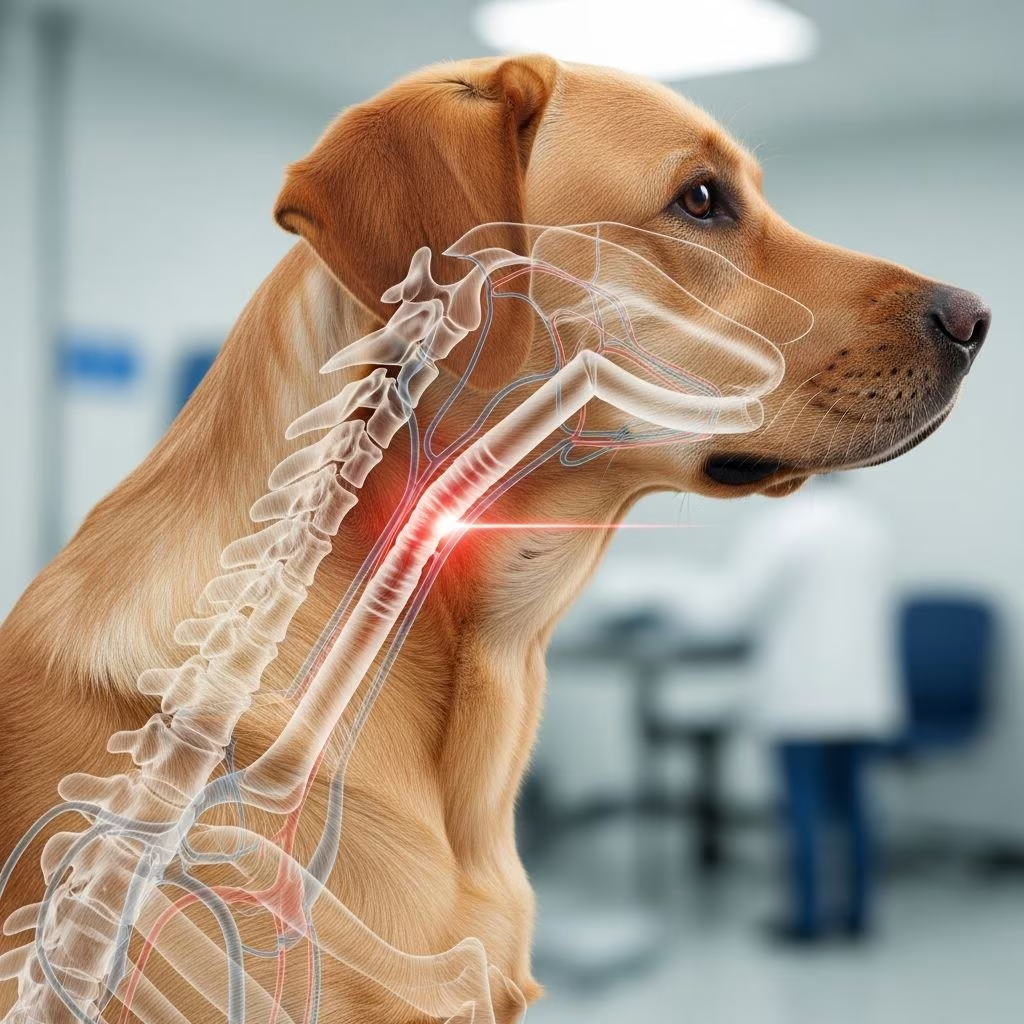
Tracheal collapse is a progressive respiratory condition affecting many dogs, particularly small breeds, where the windpipe weakens and flattens, leading to breathing challenges. This guide delves into its mechanisms, identification, management, and long-term care strategies to help pet owners support their dogs effectively.
Understanding the Anatomy and Pathology
The trachea, or windpipe, is a flexible tube composed of C-shaped cartilage rings that keep it open for airflow. In dogs with tracheal collapse, these rings lose rigidity, causing the trachea to flatten during breathing efforts. This primarily impacts the thoracic inlet area but can extend to cervical or intrathoracic regions.
The condition arises from a combination of genetic predisposition and acquired factors. Cartilage degeneration reduces glycosaminoglycan content, weakening the structure over time. Small-breed dogs like Yorkshire Terriers, Pomeranians, and Chihuahuas are most susceptible due to their narrower tracheas and softer cartilage.
Primary Risk Factors and Breeds Affected
Certain breeds face higher risks due to anatomical traits. Obesity exacerbates the issue by increasing respiratory effort, while chronic airway inflammation from irritants accelerates progression.
- High-risk breeds: Yorkshire Terrier, Pomeranian, Chihuahua, Maltese, Shih Tzu, Lhasa Apso, and Toy Poodle.
- Age factor: Typically appears in middle-aged to senior dogs (4-6 years), though congenital cases occur in puppies.
- Contributing conditions: Heart disease, brachycephalic syndrome, chronic bronchitis, or elongated soft palate worsen symptoms.
Males and females are equally affected, but overweight dogs experience intensified strain on the weakened trachea.
Recognizing the Signs: From Mild to Critical
Symptoms vary by severity, graded from 1 (minimal flattening) to 4 (complete collapse). Early detection improves outcomes.
| Grade | Description | Common Signs |
|---|---|---|
| 1 | Mild luminal narrowing | Occasional dry cough |
| 2 | Tracheal narrowing to 50% | Honking cough with excitement or exercise |
| 3 | 50-75% collapse | Frequent coughing, wheezing, rapid breathing |
| 4 | Near-total collapse | Respiratory distress, cyanosis (blue gums), fainting |
The hallmark is a harsh, dry “goose honk” cough triggered by collar pressure, eating, drinking, heat, or humidity. Other indicators include lethargy, exercise intolerance, and noisy respiration.
In emergencies, signs like open-mouth breathing, abdominal effort, or collapse demand immediate veterinary intervention.
Diagnostic Approaches for Accurate Assessment
Veterinarians use a multi-step process to confirm tracheal collapse and rule out differentials like pneumonia, heartworm, or laryngeal paralysis.
- Physical exam and history: Listening for cough patterns and assessing breed predispositions.
- Radiography: Standard X-rays reveal collapse during expiration; fluoroscopy provides dynamic views of tracheal motion.
- Endoscopy: Bronchoscopy visualizes the trachea internally, grading collapse precisely.
- Additional tests: Bloodwork, echocardiogram for concurrent heart issues, or CT scans for complex cases.
Early diagnosis via these methods allows tailored intervention before severe compromise.
Medical Management: First-Line Strategies
Approximately 70% of cases respond to conservative therapy, focusing on symptom control and lifestyle adjustments.
Pharmacological options:
- Cough suppressants: Hydrocodone, butorphanol, or tramadol break the irritation-cough cycle.
- Bronchodilators: Theophylline, terbutaline, or albuterol (oral/inhaled via AeroDawg device) relax airways.
- Anti-inflammatories: Corticosteroids like prednisone or fluticasone reduce swelling; inhaled forms minimize side effects.
- Sedatives: Acepromazine or low-dose tranquilizers calm anxiety-exacerbated episodes.
- Antibiotics: Doxycycline or others for secondary infections.
Medications often provide lifelong support, with periodic adjustments.
Lifestyle Modifications for Daily Relief
Non-drug measures are crucial for all grades.
- Use a harness instead of a collar to eliminate neck pressure.
- Maintain ideal body weight through vet-guided diet; obesity strains breathing.
- Avoid irritants: Smoke, dust, perfumes, pollen; ensure good ventilation and air filtration.
- Minimize excitement: Short, calm walks; cool, dry environments.
- Elevate food/water bowls to reduce gulping-induced coughs.
These changes can dramatically improve comfort and delay progression.
Surgical Interventions for Advanced Cases
When medical therapy fails (typically Grade 3-4), surgery offers relief. Options include:
- Extraluminal rings: Plastic prostheses placed around the trachea via thoracotomy for cervical collapse.
- Intraluminal stents: Self-expanding nitinol devices deployed endoscopically for intrathoracic issues; minimally invasive but risks migration or fracture.
Success rates exceed 80% for breathing improvement, though coughing may persist. Post-op care involves continued meds and monitoring.
Prognosis and Long-Term Outlook
With proper management, most dogs enjoy good quality life. Mild cases stabilize indefinitely; severe ones benefit from intervention. Concurrent diseases like heart failure influence survival, but vigilant care extends lifespan.
Owners report 75-90% satisfaction post-treatment, emphasizing early action.
FAQs on Tracheal Collapse in Dogs
What triggers a honking cough in my dog?
A honking cough often signals tracheal collapse, worsened by pressure, excitement, or irritants.
Can tracheal collapse be cured?
No cure exists, but symptoms are manageable lifelong with meds, lifestyle changes, or surgery.
Is surgery always necessary?
No, 70% of dogs thrive on medical management alone.
How do I prevent worsening?
Control weight, use harnesses, avoid irritants, and seek prompt vet care for infections.
What breeds are safest?
Large breeds like Labradors have lower risk; small toy breeds are most vulnerable.
Tracheal collapse requires proactive care, but with informed management, affected dogs lead active lives.
References
- Tracheal Collapse in Dogs: Signs, Causes, and Treatment — WebMD. 2023-10-15. https://www.webmd.com/pets/dogs/tracheal-collapse-dogs
- Tracheal Collapse — Cornell University College of Veterinary Medicine. 2024-05-20. https://www.vet.cornell.edu/departments-centers-and-institutes/riney-canine-health-center/canine-health-topics/tracheal-collapse
- Collapsing Trachea in Dogs – Everything You Need to Know — PetMD. 2024-08-12. https://www.petmd.com/dog/general-health/collapsing-trachea-dogs-everything-you-need-know
- Tracheal Collapse in Dogs: What It Is, Symptoms, and How to Treat It — Trudell Animal Health. 2023-11-05. https://trudellanimalhealth.com/blogs/blog/tracheal-collapse-in-dogs-what-it-is-symptoms-to-look-for-and-how-to-treat-it
- Tracheal Collapse in Dogs — VCA Animal Hospitals. 2024-02-28. https://vcahospitals.com/know-your-pet/tracheal-collapse-in-dogs



