

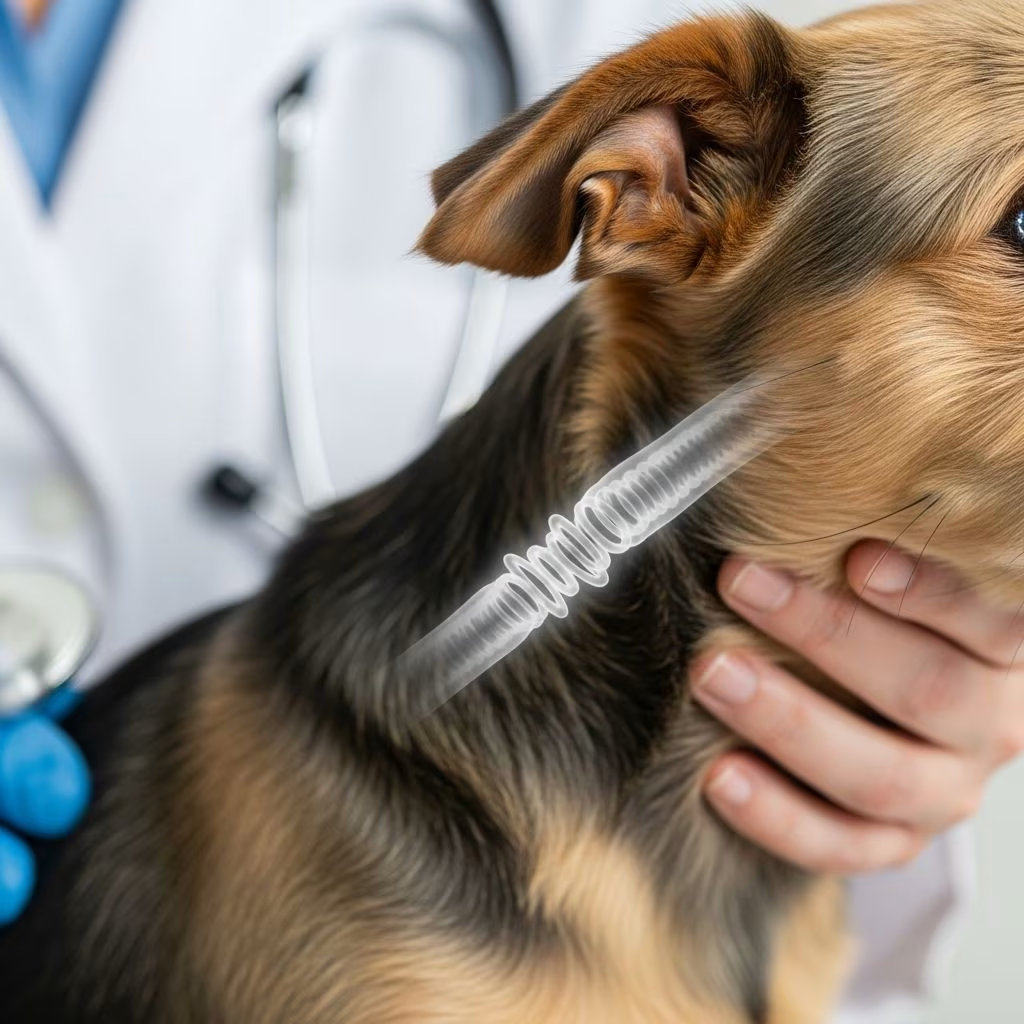
Tracheal collapse represents one of the most common chronic respiratory conditions affecting domestic dogs, particularly small-breed populations. This progressive disease involves the structural degradation of the tracheal rings—the cartilage structures that maintain the airway’s cylindrical shape—resulting in varying degrees of airway obstruction. Understanding this condition, its clinical presentation, and available management strategies enables pet owners to recognize symptoms early and work collaboratively with veterinarians to optimize their dog’s respiratory function and quality of life.
Understanding the Pathophysiology of Tracheal Collapse
The trachea, commonly referred to as the windpipe, serves as the primary conduit for air passage from the upper airway to the lower respiratory tract. Under normal circumstances, the tracheal walls maintain structural integrity through a series of C-shaped cartilage rings that provide support while allowing flexibility for swallowing and neck movement. In dogs with tracheal collapse, these cartilage rings gradually lose their rigidity and structural support. Over time, the rings become increasingly flattened and deformed, allowing the tracheal walls to collapse inward during breathing, particularly during inspiration or when the dog experiences stress or excitement.
This degenerative process occurs progressively, meaning that many dogs experience a gradual worsening of symptoms over months or years. The severity of collapse can vary significantly among individual dogs, with some animals experiencing only occasional mild symptoms while others develop severe, life-threatening airway obstruction. The underlying causes of this cartilage degeneration remain incompletely understood, though genetic predisposition, chronic inflammation, and biomechanical stress appear to play contributing roles.
Clinical Presentation and Disease Staging
The clinical manifestations of tracheal collapse vary widely depending on disease severity and individual patient factors. The most characteristic clinical sign is a distinctive cough that pet owners frequently describe as resembling a honking goose call—a harsh, dry, often forceful cough that may be triggered by excitement, exercise, or environmental irritants. This cough represents the dog’s attempt to clear the narrowed airway of accumulated secretions or to dislodge tissue that has collapsed into the airway lumen.
Veterinarians classify tracheal collapse using a grading system that reflects the degree of airway obstruction:
- Grade 1: Minimal tracheal ring flattening with less than 25 percent narrowing of the airway lumen; dogs typically exhibit no clinical signs or only mild coughing with exertion
- Grade 2: Moderate ring flattening with 25 to 50 percent reduction in airway diameter; symptoms may include occasional coughing during activity or excitement
- Grade 3: Substantial ring deformity with 50 to 75 percent luminal narrowing; dogs often display persistent coughing and possible exercise intolerance
- Grade 4: Complete or near-complete ring flattening with greater than 75 percent airway obstruction; severe respiratory distress, difficulty breathing, and potential respiratory emergencies may occur
Beyond the distinctive cough, dogs with moderate to severe tracheal collapse may experience additional respiratory symptoms. Wheezing or stridor—audible breathing sounds—may become apparent, particularly during inspiration. Dogs with advanced disease often display exercise intolerance, becoming winded more quickly than healthy peers. In severe cases, owners may observe belly breathing or abdominal effort during respiration, indicating the dog is recruiting accessory respiratory muscles to overcome increased airway resistance. Gum discoloration or cyanosis may develop when oxygen saturation becomes compromised. Fainting episodes, while less common, represent a medical emergency and warrant immediate veterinary evaluation.
Diagnostic Approaches and Confirmatory Testing
Veterinary diagnosis of tracheal collapse typically begins with a comprehensive history and physical examination. The characteristic honking cough described by owners, combined with physical examination findings, creates high clinical suspicion for the condition. However, definitive diagnosis requires imaging confirmation. Radiographic evaluation, including both inspiratory and expiratory thoracic radiographs, often reveals tracheal narrowing that becomes more pronounced during expiration. Additionally, fluoroscopy—dynamic radiographic imaging taken during the breathing cycle—can demonstrate the dynamic collapse of tracheal rings during the respiratory cycle.
Endoscopy provides the most direct visualization of the collapsed trachea and remaining lumen diameter. During this procedure, a flexible scope is advanced into the trachea, allowing direct assessment of collapse severity, confirmation of diagnosis, and evaluation for concurrent conditions such as tracheal infection or the presence of masses. Endoscopy also enables sample collection for bacterial culture if infection is suspected, guiding targeted antibiotic selection.
Medical Management Strategies and Pharmacological Interventions
Medical management represents the first-line treatment approach for the vast majority of dogs with tracheal collapse. Approximately 70 percent of affected dogs respond adequately to conservative medical management, at least initially. However, it is important to recognize that tracheal collapse is a progressive condition, and medical management typically requires lifelong administration of medications.
Cough Suppressants and Antitussives
Cough suppressants work by dampening the cough reflex, thereby breaking the self-perpetuating cycle of coughing that leads to increased mechanical irritation, inflammation, and further coughing. Commonly prescribed cough suppressants include hydrocodone bitartrate and butorphanol, both of which effectively reduce cough frequency and intensity in many dogs. These medications may be used either temporarily during acute exacerbations or on a long-term basis for persistent symptoms. While generally well-tolerated, cough suppressants can produce mild sedation in some dogs, and their effectiveness may diminish over time with continued use. Other antitussive options include tramadol, which provides both cough suppression and mild analgesic properties.
Bronchodilators and Airway-Expanding Medications
Bronchodilators function by relaxing smooth muscle surrounding the smaller airways within the lungs, thereby reducing airway resistance and facilitating easier air movement through the respiratory tract. Theophylline remains the most commonly prescribed bronchodilator for canine tracheal collapse, though terbutaline and albuterol represent alternative options. By reducing turbulent airflow and mechanical friction within the narrowed trachea, bronchodilators can provide subjective improvement in breathing ease, particularly beneficial for dogs with lower tracheal collapse where smaller airway involvement is prominent.
Anti-inflammatory and Corticosteroid Therapy
Corticosteroids, including both oral agents such as prednisone and inhaled formulations like fluticasone, reduce inflammation and swelling of the tracheal mucosa. Oral steroids demonstrate potency in reducing airway inflammation; however, chronic oral steroid administration carries potential adverse effects including weight gain, increased appetite, and immunosuppression. Inhaled steroids offer a therapeutic advantage by delivering anti-inflammatory medications directly to the airways while minimizing systemic absorption and associated side effects. Specialized delivery devices designed for canine use, such as aerosol chambers adapted for dogs, facilitate effective inhaled corticosteroid administration. Additionally, maropitant citrate (Cerenia®) has emerged as a valuable agent specifically targeting airway inflammation, providing an alternative or complementary approach to traditional corticosteroids.
Sedatives and Anxiolytic Medications
Sedatives and anti-anxiety medications such as trazodone and acepromazine help manage tracheal collapse symptoms triggered or exacerbated by anxiety and excitement. By promoting calmness and reducing physiological stress responses, these agents can significantly decrease cough frequency and severity in dogs whose symptoms are largely anxiety-driven. Some dogs with severe, persistent coughing may benefit from heavier sedation that breaks the established cough cycle, allowing time for inflammation to resolve and providing temporary relief from respiratory distress.
Antibiotics and Infection Management
Dogs with tracheal collapse face increased susceptibility to secondary respiratory infections due to compromised airway clearance and impaired mucociliary defense mechanisms. When bacterial infections are suspected or confirmed through culture and sensitivity testing, appropriate antibiotic therapy becomes essential. However, antibiotic administration should be reserved for documented or strongly suspected infections rather than used prophylactically, as indiscriminate antibiotic use contributes to antimicrobial resistance.
Environmental and Lifestyle Modifications
Complementing pharmacological interventions, strategic environmental and lifestyle modifications significantly impact symptom severity and disease progression in dogs with tracheal collapse.
- Weight Management: Weight reduction represents perhaps the single most important intervention for overweight or obese dogs with tracheal collapse. Excess body weight increases pressure on the upper airway and exacerbates mechanical stress on the trachea. Veterinarian-supervised weight loss programs incorporating caloric restriction and increased appropriate exercise can produce dramatic symptomatic improvement
- Environmental Control: Minimizing exposure to airway irritants—including cigarette smoke, dust, strong fragrances, and chemical fumes—reduces chronic tracheal irritation and coughing episodes
- Harness Usage: Replacing neck collars with properly fitted harnesses eliminates direct pressure on the trachea during walks and prevents traction-related mechanical irritation
- Activity Modulation: While maintaining appropriate exercise, owners should avoid intense activity during hot weather or high-humidity conditions, as these factors can precipitate respiratory distress
Surgical Intervention for Advanced Disease
When medical management fails to adequately control symptoms and dogs continue experiencing significant quality-of-life limitations, surgical intervention may be considered. Surgical options include tracheal stent placement, wherein a specialized expandable stent is positioned within the tracheal lumen to mechanically hold the airway open, or external ring prosthetics placed around the trachea to provide external support and prevent collapse.
Stent placement can effectively improve breathing and reduce cough severity in appropriately selected candidates; however, it does not eliminate coughing entirely. Surgery is typically reserved for cases in which medical management has been exhausted and respiratory distress significantly impacts the dog’s quality of life. Importantly, even following surgical intervention, lifelong medical management typically remains necessary to manage residual symptoms and maintain respiratory function.
Emergency Management and Critical Respiratory Distress
Dogs experiencing acute severe respiratory distress constitute veterinary emergencies requiring immediate professional evaluation and stabilization. Clinical signs indicating emergency situations include gasping, severe difficulty breathing, blue-tinged mucous membranes, collapse, or loss of consciousness. Emergency treatment may include oxygen supplementation, sedation to reduce panic and metabolic demand, and careful handling to minimize stress. Pet owners of dogs with advanced tracheal collapse should discuss emergency preparedness with their veterinarian and understand warning signs warranting immediate hospitalization.
Long-Term Prognosis and Quality of Life Considerations
While tracheal collapse remains incurable, appropriate management typically allows affected dogs to maintain good quality of life for extended periods. Many dogs respond well to medical therapy, with symptom control allowing normal play, exercise, and social interaction. Progressive cases requiring escalating medication doses or surgical intervention still often experience extended periods of acceptable quality of life with diligent management. Concurrent health conditions—including obesity, heart disease, and other airway disorders—can complicate management and worsen prognosis, emphasizing the importance of comprehensive health optimization in affected dogs.
Working closely with a veterinarian to develop individualized treatment plans, monitoring for disease progression, and maintaining consistent medication adherence represents the best approach to maximizing survival time and quality of life for dogs living with tracheal collapse.
References
- Tracheal Collapse in Dogs: Signs, Causes, and Treatment — WebMD Pets. https://www.webmd.com/pets/dogs/tracheal-collapse-dogs
- Tracheal Collapse — Cornell University College of Veterinary Medicine, Riney Canine Health Center. https://www.vet.cornell.edu/departments-centers-and-institutes/riney-canine-health-center/canine-health-topics/tracheal-collapse
- Collapsing Trachea in Dogs: Everything You Need to Know — PetMD. https://www.petmd.com/dog/general-health/collapsing-trachea-dogs-everything-you-need-know
- Tracheal Collapse — VCA Animal Hospitals. https://vcahospitals.com/know-your-pet/tracheal-collapse-in-dogs
- Treatment of Tracheal Collapse — Dallas Veterinary Surgical Center. https://www.dvsc.com/tracheal-collapse
- Tracheal Collapse in Dogs: What It Is, Symptoms to Look For, and How to Treat It — Trudell Animal Health. https://trudellanimalhealth.com/blogs/blog/tracheal-collapse-in-dogs-what-it-is-symptoms-to-look-for-and-how-to-treat-it
- Small Animal Tracheal Collapse — University of Tennessee College of Veterinary Medicine. https://vetmed.tennessee.edu/vmc/smallanimalhospital/softtissuesurgery/small-animal-tracheal-collapse/



