Tracheal Collapse in Dogs: Care Strategies
Comprehensive guide to managing and treating canine tracheal collapse

Tracheal Collapse in Dogs: Care Strategies and Management Approaches
Tracheal collapse represents one of the most common airway conditions affecting dogs, particularly small breeds and aging canines. This progressive condition occurs when the cartilage rings supporting the windpipe weaken, causing the airway to narrow and obstruct airflow during breathing. While tracheal collapse cannot be cured, understanding effective management strategies can significantly improve a dog’s quality of life and minimize respiratory distress. This comprehensive guide explores the various approaches to managing this condition, from medical interventions to environmental modifications and lifestyle adjustments.
Understanding the Condition and Its Progression
The trachea, or windpipe, serves as the primary passageway for air entering the lungs. In healthy dogs, firm cartilage rings maintain the trachea’s shape and elasticity. When these rings deteriorate, the tracheal walls collapse inward, restricting airflow and triggering the characteristic symptoms associated with this condition.
The severity of tracheal collapse is graded on a scale that helps veterinarians determine the most appropriate treatment approach. In early stages, the tracheal rings show minimal flattening with only mild narrowing of the airway passage. As the disease progresses, the rings become increasingly flattened, reducing the internal diameter significantly. In advanced cases, the tracheal rings become completely flat, resulting in severe airway obstruction that demands urgent medical intervention.
Recognizing Clinical Signs and Symptoms
Pet owners should familiarize themselves with the distinctive signs of tracheal collapse to seek timely veterinary care. The most characteristic symptom is a persistent, dry cough that often resembles the sound of a goose honking, which is why it’s commonly referred to as a “goose-honk cough.” This cough typically worsens during periods of excitement, physical exertion, or when transitioning from lying down to standing.
Beyond the distinctive cough, affected dogs may exhibit wheezing sounds during inhalation as inflammation develops in the collapsed airway. The breathing difficulties may become more pronounced during warm weather or in environments with poor air quality. Some dogs develop secondary symptoms including exercise intolerance, reluctance to engage in physical activity, and difficulty sleeping due to respiratory discomfort.
In more severe presentations, dogs may display signs of significant respiratory compromise. These include gasping for breath, using abdominal muscles excessively to breathe, extending the neck to facilitate airflow, and in critical cases, fainting during severe coughing episodes. Gums or tongue may take on a bluish discoloration, indicating inadequate oxygen reaching the tissues—a sign requiring immediate veterinary attention.
Medical Management: The Foundation of Treatment
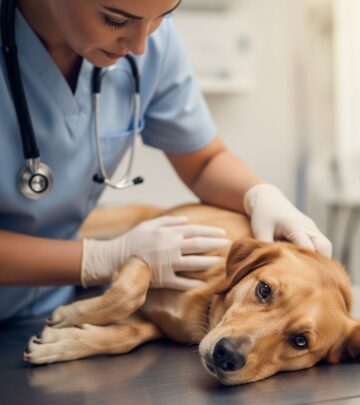
Medical management serves as the first-line treatment approach for most dogs with tracheal collapse. This therapeutic strategy employs various medications designed to reduce inflammation, suppress coughing, and facilitate easier breathing. It’s important to understand that even when surgical intervention is pursued, medical management typically remains necessary throughout the dog’s lifetime.
Medication Categories and Their Functions
Veterinarians may recommend several categories of medications depending on the severity of the condition and the individual dog’s response to treatment:
- Cough Suppressants: Medications such as hydrocodone bitartrate, tramadol, and butorphanol help reduce the coughing reflex by targeting the brain’s cough center. By minimizing excessive coughing, these medications interrupt the cycle where coughing causes mechanical irritation, leading to increased inflammation and further coughing.
- Bronchodilators: These medications work by relaxing the smooth muscles surrounding the airways, effectively widening the air passages. Commonly prescribed bronchodilators include theophylline, terbutaline, and albuterol, which are particularly beneficial when collapse occurs in the lower trachea or lower airway passages.
- Anti-Inflammatory Medications: Corticosteroids such as prednisone reduce airway inflammation caused by the constant irritation of collapsing tracheal walls. These medications are typically prescribed during acute flare-ups rather than continuously, as long-term steroid use carries potential side effects including weight gain.
- Sedatives and Anti-Anxiety Medications: Drugs such as acepromazine and butorphanol help calm anxious or excited dogs, as emotional states and excitement significantly worsen symptoms by increasing breathing rate and triggering coughing episodes.
- Antibiotics: Dogs with tracheal collapse face elevated risks for secondary respiratory infections due to the compromised airway. Veterinarians may prescribe antibiotics when infections are diagnosed or suspected, helping prevent complications that could exacerbate breathing difficulties.
Weight Management: A Critical Intervention
Among all management strategies, weight control emerges as perhaps the single most important factor in controlling tracheal collapse symptoms. Excess body weight places additional pressure on the airway and makes breathing more laborious for affected dogs. Weight loss directly reduces mechanical stress on the trachea, often resulting in dramatic improvements in respiratory function and reduced coughing frequency.
Pet owners should work with their veterinarian to establish a realistic weight loss plan tailored to their dog’s specific needs. This plan typically involves reducing caloric intake through portion control and selecting lower-calorie food options. Regular, moderate exercise appropriate for the dog’s current respiratory status can support weight loss efforts, though owners must carefully monitor their pets during activity to ensure they don’t overexert themselves.
Environmental and Lifestyle Modifications
Beyond medical interventions, modifying the dog’s environment and daily activities can substantially impact symptom severity. These practical changes are often simple to implement yet yield significant benefits in managing the condition.
Equipment and Restraint Changes
One of the most impactful modifications involves switching from traditional collars to harnesses for all outdoor activities. Collars apply direct pressure to the trachea, exacerbating compression and worsening symptoms. Harnesses distribute pressure across the chest and shoulders, eliminating this direct mechanical stress. This simple change can noticeably reduce coughing episodes and improve the dog’s breathing comfort during walks.
Environmental Optimization
Creating a calm, cool environment supports respiratory health by reducing environmental stressors that trigger coughing. Keeping air moving through living spaces using fans creates a soothing effect for dogs with tracheal collapse, apparently reducing the urge to cough. Additionally, pet owners should eliminate respiratory irritants from the dog’s environment, including cigarette smoke, strong chemical odors, and air pollutants that can trigger airway inflammation.
Stress Reduction and Activity Management
Excitement and stress significantly worsen tracheal collapse symptoms by increasing breathing rate and triggering coughing episodes. Pet owners should create a stable, predictable routine that minimizes anxiety. During episodes of respiratory distress, moving the dog to a quiet, cool room away from other pets and children helps reduce stimulation and allows the respiratory system to calm. Speaking in soothing tones further promotes relaxation and can prevent minor coughing episodes from escalating into severe respiratory crises.
Recognizing Emergencies and When to Seek Immediate Care
While many cases of tracheal collapse can be managed at home with appropriate medications and lifestyle modifications, certain signs indicate a medical emergency requiring immediate veterinary attention. Pet owners must recognize these critical indicators to provide timely intervention.
Severe respiratory distress characterized by gasping, excessive panting, or belly breathing signals that the dog is struggling to obtain sufficient oxygen. Blue-tinged gums or tongue indicates oxygen deprivation at the tissue level, representing a particularly dangerous situation. Fainting or loss of consciousness during coughing episodes demonstrates that the airway obstruction is preventing adequate oxygen delivery to the brain.
Additional emergency signs include inability to relax or lie down, extreme anxiety or panic, continuous coughing that doesn’t respond to normal management strategies, and deterioration in the dog’s overall condition. When any of these signs appear, owners should immediately transport their dog to a veterinary emergency facility. Veterinary professionals can provide oxygen therapy and emergency medications to stabilize the airway and restore adequate oxygenation.
Surgical Intervention Considerations
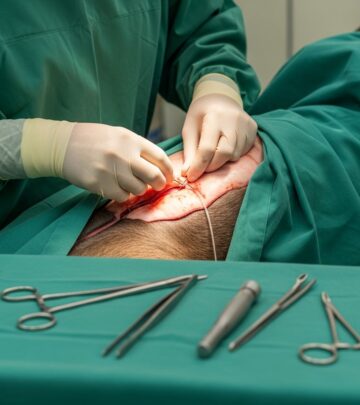
For dogs that fail to respond adequately to medical management or experience severe, life-threatening respiratory compromise, surgical intervention may be considered. Various surgical techniques aim to stabilize the collapsed airway and maintain adequate breathing passages. However, surgery does not eliminate the need for ongoing medical management, and many dogs require continued medication even after successful surgical repair.
The decision to pursue surgery should be made collaboratively between pet owners and their veterinarian after thoroughly evaluating the dog’s overall health, the severity of symptoms, and the potential benefits and risks specific to the individual case.
Associated Conditions and Complicating Factors
Tracheal collapse frequently occurs alongside other health conditions that can amplify respiratory symptoms and complicate management. Common concurrent conditions include heart disease, obesity, elongated soft palate, and other airway diseases. These coexisting conditions must be appropriately treated to maximize the dog’s quality of life and optimize respiratory function. Veterinarians will screen for these additional conditions and develop comprehensive treatment plans addressing all identified health issues.
Long-Term Management and Prognosis
Dogs with tracheal collapse typically require lifelong medical management to maintain symptom control and preserve quality of life. This ongoing commitment involves consistent administration of prescribed medications, regular veterinary check-ups to monitor disease progression and medication effectiveness, and adherence to lifestyle modifications.
With appropriate management strategies, many dogs live comfortably for years despite having tracheal collapse. The key to success involves early recognition of the condition, establishment of a comprehensive management plan, and consistent implementation of veterinary recommendations. Pet owners who remain vigilant about their dog’s respiratory health and respond promptly to worsening symptoms can help ensure their affected companions enjoy the best possible quality of life.
Frequently Asked Questions
Can tracheal collapse be cured?
No, tracheal collapse cannot be cured. However, medical and lifestyle management strategies can effectively control symptoms and improve quality of life. Surgery may be considered in severe cases but does not eliminate the need for ongoing medical management.
Which dogs are at highest risk for tracheal collapse?
Small breed dogs such as Yorkies, Pomeranians, and Chihuahuas are most susceptible to developing tracheal collapse, particularly as they reach middle age or become senior dogs.
How quickly does tracheal collapse progress?
The progression rate varies significantly among individual dogs. With appropriate medical management and weight control, some dogs maintain stable symptoms for extended periods, while others experience gradual worsening over time.
Are there any supplements that help with tracheal collapse?
While some owners explore supplemental options, the evidence supporting their effectiveness remains limited. Veterinarians should be consulted before introducing any supplements, as some may interact with prescribed medications.
What should I do if my dog experiences a coughing episode?
During mild episodes, moving your dog to a calm, cool environment and allowing adequate rest often helps resolve the episode naturally. For severe episodes with difficulty breathing, seek immediate veterinary care.
References
- Tracheal Collapse — Cornell University College of Veterinary Medicine. https://www.vet.cornell.edu/departments-centers-and-institutes/riney-canine-health-center/canine-health-topics/tracheal-collapse
- Collapsing Trachea in Dogs – Everything You Need to Know — PetMD. https://www.petmd.com/dog/general-health/collapsing-trachea-dogs-everything-you-need-know
- Tracheal Collapse in Dogs — MedVet. https://www.medvet.com/tracheal-collapse-in-dogs/
- How to Soothe a Dog With Collapsed Trachea — Toe Grips. https://toegrips.com/how-to-soothe-dog-with-collapsed-trachea/
- Tracheal Collapse in Dogs: Urgent Signs and Quick Actions — Golden State Veterinary Specialists. https://gsvs.org/blog/tracheal-collapse-dogs-urgent-signs/
- Tracheal Collapse in Dogs — VCA Animal Hospitals. https://vcahospitals.com/know-your-pet/tracheal-collapse-in-dogs
- Tracheal Collapse — Dallas Veterinary Surgical Center. https://www.dvsc.com/tracheal-collapse
Similar Articles






Read full bio of Sneha Tete