

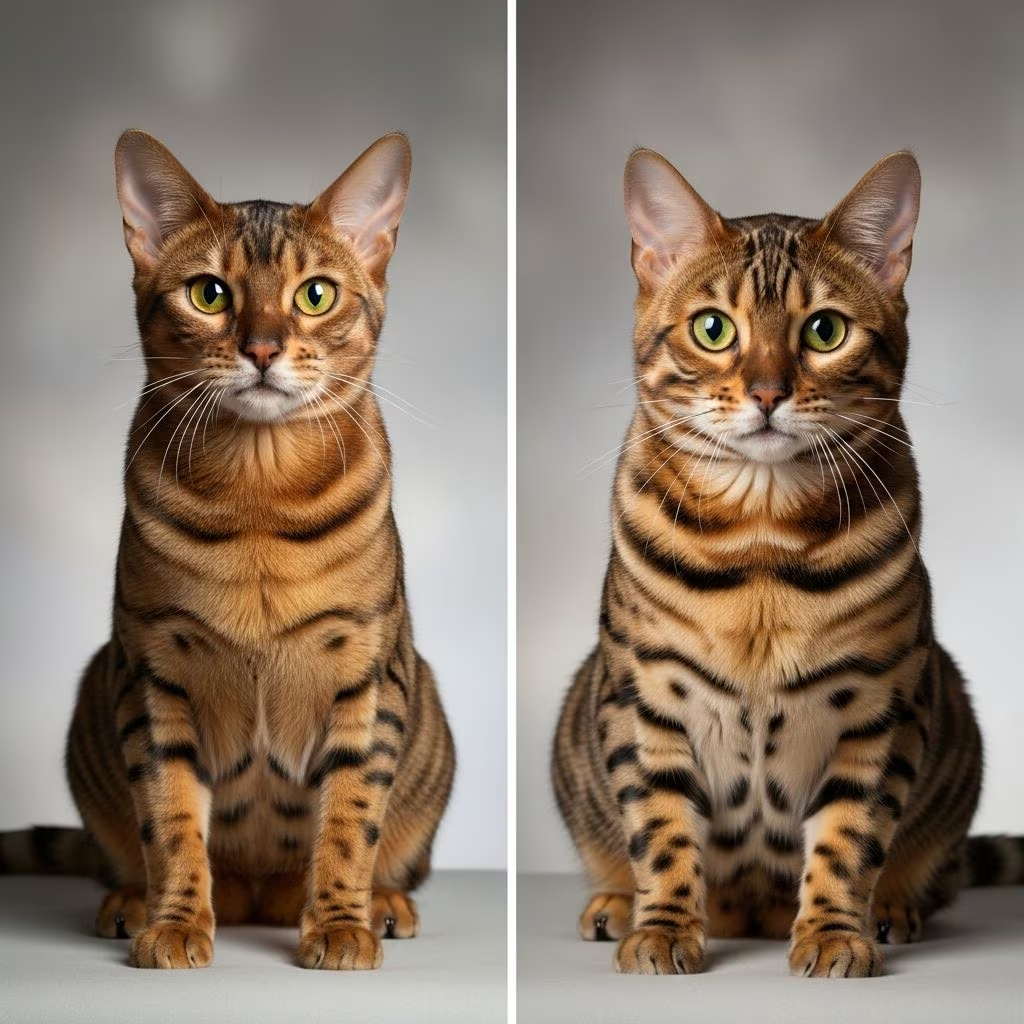
Two cat breeds that capture the essence of the wild in a domestic package are the Toyger and the Bengal. Both boast striking patterns reminiscent of big cats, high energy levels, and engaging personalities that make them stand out among felines. This comprehensive comparison dives into their histories, physical attributes, behavioral traits, care requirements, and more to help prospective owners decide between these captivating companions.
Origins and Development of These Exotic Breeds
The Bengal cat emerged from a deliberate crossbreeding effort in the 1970s, blending the domestic cat with the Asian leopard cat to achieve a miniature wild cat appearance while retaining pet-friendly traits. Breeders focused on generations removed from the wild ancestor—typically F4 or later for pets—to ensure a stable, gentle temperament. This hybrid origin contributes to the Bengal’s athletic prowess and unique rosette patterns, as noted by breed standards from organizations like The Governing Council of the Cat Fancy.
In contrast, the Toyger was developed in the 1980s with the goal of mimicking the stripes and musculature of a toy tiger. Starting from American Shorthairs and Bengal influences, breeders like Alice McKee refined the breed through selective crossing with street cats from India to enhance the bold, unbroken stripes and plush coat. Unlike the Bengal’s spotted heritage, the Toyger emphasizes a tiger-like striped pattern, earning full recognition from cat fancies for its bold, vivid markings.
Both breeds reflect human ingenuity in capturing wild beauty: Bengals draw from leopard-like ancestry for their agility, while Toygers prioritize tiger-esque aesthetics with a focus on mackerel tabby enhancements. These origins shape not just their looks but also their needs for stimulation and space.
Physical Characteristics: Appearance and Build
Bengals possess a muscular, athletic frame with a long, sleek body, high hindquarters, and large paws suited for climbing and leaping up to three times their height. Males can reach 15 pounds, females 8-12 pounds, with a short, plush coat featuring rosettes, marbling, or spots on brown, snow, or other backgrounds. Their wide-set eyes in gold, green, or hazel (blue for snow variants) and broad head with prominent whisker pads complete the wild allure.
| Feature | Toyger | Bengal |
|---|---|---|
| Body Type | Stocky, muscular with rounded contours | Athletic, sleek with higher hind end |
| Coat Pattern | Bold, unbroken orange stripes | Rosettes, spots, marbling |
| Size (lbs) | Males 13-18, Females 8-13 | Males up to 15, Females 8-12 |
| Eyes | Deep-set, almond-shaped in vivid colors | Oval, slanted in gold/green/hazel |
Toygers, meanwhile, showcase a stockier build with a barrel chest, powerful legs, and a conformation that exudes tiger-like strength. Their coat is glossy and velvety, dominated by vivid, unbroken stripes on a bright orange background, wrapping around the body in a three-dimensional effect. Circular markings on the forehead and paws add to the miniature tiger illusion. Both breeds have short, luxurious fur, but Bengals feel pelt-like with glittered tips, while Toygers emphasize depth and stripe boldness.
Temperament and Personality Traits
Bengals are renowned for their intelligence and playfulness, often compared to dogs in loyalty and trainability. They excel at tricks, fetch, and leash walking, with dexterous paws that open doors or faucets. Highly energetic and kitten-like into adulthood, they crave interaction, chirp communicatively, and love water—traits stemming from their wild roots. However, they can be territorial with other cats and demand ample stimulation to avoid mischief.
- Inquisitive: Bengals investigate everything, turning knobs or exploring high shelves.
- Affectionate: Loyal to family, they bond deeply but may shadow owners constantly.
- Athletic: Climbers and jumpers who need vertical space and toys.
Toygers share the high energy but lean toward a more dog-like devotion, following owners room-to-room and craving involvement in daily activities. Their confidence shines in social settings; they’re outgoing with strangers and less vocal than Bengals, preferring purrs and head-butts. Playful and people-oriented, Toygers thrive on puzzle toys and training sessions, exhibiting bold curiosity without the same intensity as Bengals. Both breeds suit active households but may overwhelm sedentary owners.
Health and Lifespan Considerations
Both Toyger and Bengal cats typically enjoy lifespans of 12-16 years with proper care. Bengals may inherit hypertrophic cardiomyopathy (HCM) from their hybrid background, though reputable breeders screen for it via genetic testing. They’re generally robust but prone to overexertion if not exercised adequately.
Toygers, being a newer breed, benefit from diverse genetics that reduce hereditary issues, though monitoring for obesity and dental health is key due to their sturdy build. Regular vet check-ups, a high-protein diet, and dental care are essential for both to maintain their vitality. Early socialization from F4+ generations ensures Bengals are free of wild cat unpredictability.
Grooming, Care, and Daily Needs
Minimal grooming suits both breeds’ short coats—a weekly brush removes loose fur and distributes oils. Bengals’ glittered coat may shed seasonally, while Toygers’ velvety fur stays sleek. Bathing is rare, but their water affinity makes Bengals more tolerant.
Nutrition demands high-protein, grain-free food to fuel their activity; portion control prevents weight gain in Toygers’ stockier frames. Enrichment is paramount: scratching posts, cat trees, wheels, and interactive toys prevent boredom. Bengals need more vertical space for climbing, Toygers ample horizontal runways for prowling.
Ideal Living Environments and Family Compatibility
Neither breed fits apartments without commitment—Bengals require jungle gyms and safe outdoor access (enclosures preferred), Toygers spacious homes for zooming. Both adore families, including respectful children and dogs, but supervise young kids due to play vigor. Single-pet homes work best initially, as territoriality can arise.
Training and Exercise Routines
Harness training, clicker sessions, and agility games engage their smarts. Bengals master complex tricks; Toygers excel in fetch and obedience. Daily 30-60 minute play prevents destructive behaviors like excessive climbing on valuables.
Cost of Ownership and Availability
Kittens from ethical breeders cost $1,500-$5,000, higher for show-quality. Bengals command premiums for rare colors; Toygers for stripe perfection. Factor annual expenses: $1,000+ for food, vet, and toys.
Frequently Asked Questions (FAQs)
Which is more affectionate: Toyger or Bengal?
Toygers often display dog-like devotion, while Bengals offer loyal but independent affection.
Are these breeds good for apartments?
Not ideal without significant enrichment; spacious homes suit them better.
Do Toygers or Bengals like water?
Bengals frequently enjoy splashing; Toygers tolerate but prefer dry play.
How do I choose between Toyger and Bengal?
Prefer stripes and stockiness? Toyger. Rosettes and agility? Bengal. Assess your lifestyle.
Are they hypoallergenic?
Bengals produce fewer allergens; Toygers similar to averages. Not fully hypoallergenic.
Choosing Your Perfect Wild Cat Companion
Whether drawn to the Toyger’s tiger stripes or Bengal’s leopard rosettes, both deliver exotic charisma with domestic charm. Visit breeders, observe temperaments, and ensure your home matches their vigor for a rewarding bond. These breeds thrive with dedicated owners ready for adventure.
References
- Bengal Cat – Breed Facts & Characteristics — Royal Canin. Accessed 2026. https://www.royalcanin.com/mt/cats/breeds/bengal
- Breed Profile: Bengal Cat — Your Pet and You (Elanco). Accessed 2026. https://yourpetandyou.elanco.com/us/new-pets/cat-breed-profile-bengal-cat
- Bengal Breed Standard — The Governing Council of the Cat Fancy. Accessed 2026. https://www.gccfcats.org/getting-a-cat/choosing/cat-breeds/bengal/
- Captivating Charisma: Bengal Cat Personality — Basepaws. Accessed 2026. https://basepaws.com/blog/captivating-charisma-delving-deeper-into-the-bengal-cat-personality
- Bengal Cat Personality Traits — Laura Leibengals. Accessed 2026. https://www.lauraleibengals.com/bengal-cat-personality



