

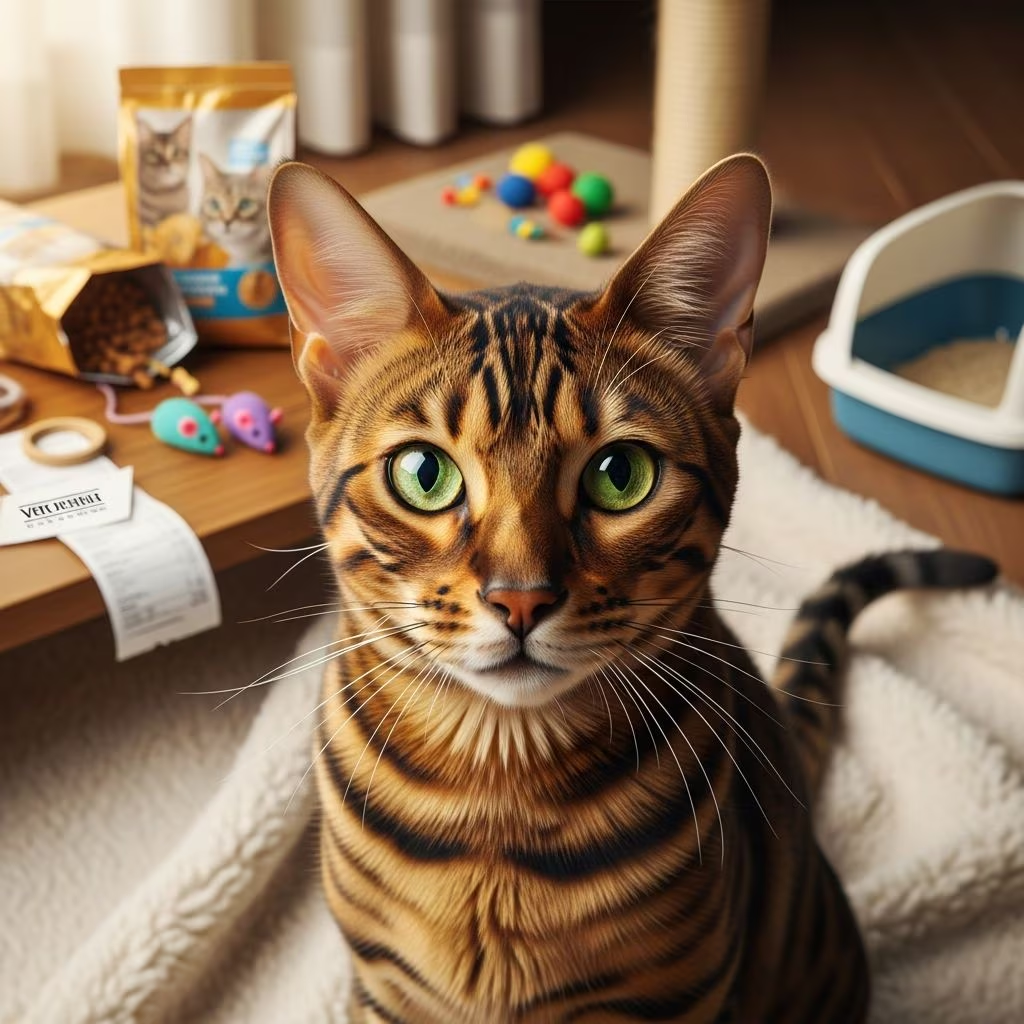
The Toyger cat, bred to mimic the majestic stripes and athletic build of a tiger in miniature form, captivates pet enthusiasts with its wild appearance and domestic charm. However, bringing this designer breed home involves more than admiration for its bold tabby patterns and plush coat. Prospective owners must account for substantial upfront investments and ongoing financial commitments to ensure the cat’s health and happiness. This guide provides a comprehensive financial roadmap, drawing on breed standards and care requirements to help you budget effectively.
Understanding the Toyger Breed Basics
Toygers emerged from selective breeding efforts in the 1980s, aimed at creating a house cat with tiger-esque aesthetics without any wild ancestry. These medium-sized felines typically weigh 7-15 pounds, featuring long, muscular bodies, short dense coats in orange or brown with dark stripes, and expressive eyes in hazel to brown shades. Their lifespan averages 10-15 years, during which they demand high energy outlets, interactive play, and social engagement due to their intelligent, playful nature.
Unlike common shorthairs, Toygers require enriched environments with climbing structures, puzzle toys, and daily interaction to prevent boredom-induced mischief. Their dog-like sociability makes them ideal for families, but they thrive best with experienced owners who can match their activity levels. These traits directly influence expenses, as specialized gear and frequent veterinary oversight become necessities.
Initial Acquisition Expenses
Acquiring a Toyger kitten represents the largest single outlay. Reputable breeders charge premium prices for these rare cats, reflecting years of meticulous lineage development to perfect the striped pattern and glittered coat texture.
| Expense Type | Estimated Cost Range | Notes |
|---|---|---|
| Kitten Purchase | $1,500 – $5,000+ | Higher for show-quality or pedigreed lines; avoid unverified sources to prevent health issues. |
| Transport/Shipping | $200 – $800 | If not local; includes health certificates and crates. |
| Initial Vet Exam | $100 – $250 | Vaccinations, deworming, and microchipping. |
| Supplies Starter Kit | $300 – $600 | Litter box, bed, toys, carrier, food bowls. |
Total first-year acquisition can exceed $3,000 for a standard kitten, scaling up for elite specimens. Sourcing from GCCF-recognized breeders ensures genetic health, minimizing future vet bills.
Monthly Food and Nutrition Breakdown
Toygers’ athletic builds necessitate high-protein diets mimicking their big-cat inspiration. Expect to budget for premium wet and dry foods formulated for active breeds.
- Dry Kibble: $50-80/month for 4-6 lbs, providing sustained energy.
- Wet Food Supplements: $40-60/month, essential for hydration and coat shine.
- Treats and Supplements: $10-20/month, including joint aids for their muscular frames.
Annual food costs average $1,200-$2,000, varying with portion sizes (1/2 to 1 cup kibble daily) and any dietary sensitivities. Transitioning to raw or specialized formulas can add 20-30% more.
Veterinary and Healthcare Investments
Robust health underpins Toyger longevity, but proactive care is key given their novelty as a breed. Routine wellness, preventives, and potential genetic screenings drive these expenses.
| Service | Frequency | Annual Cost |
|---|---|---|
| Wellness Exams | 1-2x/year | $200-400 |
| Vaccinations/Boosters | Annually | $100-200 |
| Flea/Tick/Heartworm Preventives | Monthly | $300-600 |
| Dental Cleaning | Every 1-3 years | $500-1,200 |
| Spay/Neuter (if applicable) | Once | $200-500 |
Unexpected issues like hypertrophic cardiomyopathy (monitored in breeds with Munchkin outcross influences) could add $1,000+ per incident. Pet insurance, costing $20-50/month, recoups 70-90% of eligible claims, proving invaluable for this high-energy breed.
Grooming and Maintenance Essentials
The Toyger’s short, plush coat sheds moderately and benefits from weekly brushing to distribute natural oils and reduce hairballs. Their prominent whisker pads and large paws require attention to prevent matting or infections.
- Brushing Tools: Slicker brush and comb ($20-50 initial).
- Bathing: Quarterly with cat-safe shampoo ($15-30/session).
- Nail Trims: Bi-monthly at home or $20/professional.
- Ear/Eye Cleaning: Monthly supplies ($10-20/year).
Home grooming keeps annual costs under $200, but salon visits for full grooms run $50-100 quarterly, totaling $400+ for busy owners.
Enrichment and Living Space Setup
Toygers’ high intelligence and energy demand dynamic environments. Skimping here leads to destructive behaviors, increasing repair costs.
| Item | Initial Cost | Replacement/Annual |
|---|---|---|
| Cat Tree/Climbing Gym | $150-400 | $50 |
| Interactive Toys (lasers, puzzles) | $50-150 | $100 |
| Scratching Posts (multiple) | $100-300 | $75 |
| Litter Box System | $100-500 | $200 (litter) |
Litter expenses alone hit $150-300 yearly for clumping varieties. A catio or secure enclosure ($500-2,000) enhances outdoor access safely, aligning with their exploratory instincts.
Training and Behavioral Support
Highly trainable due to their smarts, Toygers excel with clicker training and leash walking. Invest in harnesses ($20-50) and puzzle feeders ($30-100) to channel their curiosity. Professional trainers, if needed for multi-pet integration, cost $50-150/session. Ongoing toys prevent separation anxiety in sociable Toygers left alone briefly.
Insurance and Long-Term Financial Planning
Pet insurance premiums range $240-600 annually, covering accidents and illnesses. Factor in inflation: expect 5-7% yearly rises in food/vet costs. Over 12-15 years, total ownership might surpass $25,000-$40,000, excluding luxuries.
| Lifecycle Stage | Estimated Total Cost |
|---|---|
| First Year | $3,000-6,000 |
| Years 2-5 | $1,500-2,500/year |
| Senior Years (10+) | $2,000-4,000/year |
| Full Lifespan | $25,000-40,000 |
Cost-Saving Strategies for Toyger Owners
- Adopt older kittens from breeders at reduced rates ($800-2,000).
- Buy supplies in bulk or subscribe for discounts.
- DIY grooming and enrichment with DIY catios.
- Choose multi-pet insurance policies.
- Spay/neuter early to curb health risks.
Frequently Asked Questions (FAQs)
Are Toyger cats more expensive than other breeds?
Yes, their rarity drives purchase prices 5-10x higher than mixed breeds, with upkeep comparable to active purebreds.
How much food does a Toyger eat daily?
Approximately 200-400 calories, split into 2-3 meals of high-protein kibble or wet food.
Do Toygers need special vet care?
Standard feline care plus breed-specific screenings for heart and joint health.
Can Toygers live outdoors?
Prefer indoor with supervised outdoor access via catios to protect their valuable lineage.
Is pet insurance worth it for Toygers?
Absolutely, given potential genetic predispositions and high treatment costs.
References
- Toyger – The Governing Council of the Cat Fancy — GCCF. Accessed 2026. https://www.gccfcats.org/getting-a-cat/choosing/cat-breeds/toyger/
- Toyger Cat Breed Profile — Litter-Robot. Accessed 2026. https://www.litter-robot.com/blog/toyger-cat/
- Toyger Cat Breed & Adoption Information — Petfinder. Accessed 2026. https://www.petfinder.com/cats-and-kittens/breeds/toyger/
- Toyger Cats: Breed History, Personality & More — RAWZ Natural Pet Food. Accessed 2026. https://rawznaturalpetfood.com/toyger-cat/
- Toyger Cat Breed Information — Purina UK. Accessed 2026. https://www.purina.co.uk/find-a-pet/cat-breeds/toyger



