

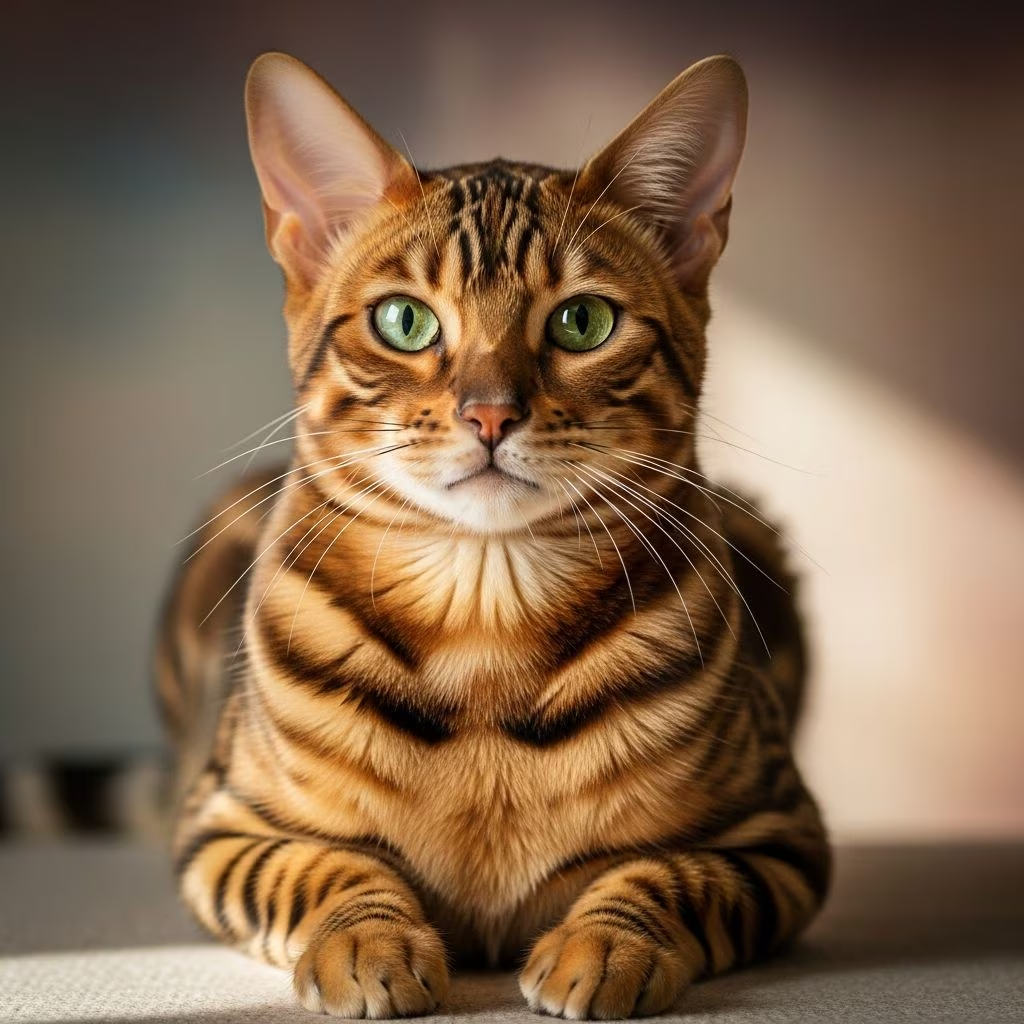
The Toyger cat captivates with its tiger-inspired palette, featuring a base of warm orange or deep reddish-brown accented by dramatic, branching black stripes. This designer breed mimics the wild feline aesthetic through carefully selected coat patterns and vivid glittered tones, all while remaining a pure domestic shorthair.
The Essence of Toyger Coat Patterns
Toyger coats stand out due to their unique modification of the mackerel tabby pattern. Unlike standard tabbies, these cats display bold, vertically stretched stripes that branch and interconnect, creating an illusion of rosettes pulled into elongated forms. This patterning covers the entire body, from the flanks to the tail, enhancing the prowling silhouette.
The short, dense fur gleams with a glittered effect, where individual hairs reflect light thanks to selective breeding for sheen. This glitter amplifies the tiger-like drama, making Toygers appear as miniature jungle predators even in a cozy living room. Weekly brushing preserves this luster and distributes natural oils evenly.
Primary Color Variations in Toygers
Toygers adhere to a narrow color spectrum to preserve their signature look, as defined by breed standards from organizations like The International Cat Association (TICA).
- Classic Orange Base: The most common foundation, a vivid pumpkin orange that evokes sunset hues in the wild. Dark brown or black stripes contrast sharply against this warm backdrop.
- Reddish-Brown Shade: A deeper, rustier tone that adds richness, often seen in lines emphasizing intensity. Stripes here appear nearly black for maximum pop.
- Deep Orange Variant: The richest iteration, bordering on coppery red, prized for its depth and glow under light.
These bases must remain uniform without spotting or dilution, ensuring the stripes dominate visually. Breeders avoid off-colors like silver or blue to maintain authenticity.
Striking Stripe Designs and Markings
The hallmark of Toyger coloration lies in stripe configuration. Vertical lines run boldly from spine to belly, randomly branching like twisted vines. Some form pseudo-rosettes—circular centers with radiating arms—stretched tall to fit the breed’s long body.
Head markings are distinctive: circular bands encircle the face, unbroken by typical tabby lines, framing prominent whisker pads in an inverted heart shape. Tails end in solid dark tips, while legs feature ankle cuffs of unbroken stripes. This patterned precision requires generations of targeted mating.
| Body Area | Key Pattern Feature | Color Contrast |
|---|---|---|
| Torso | Branched vertical stripes | Black on orange |
| Head | Circular unbroken rings | Dark bold outlines |
| Tail | Solid tip with rings | Deep black end |
| Legs | Ankle cuffs | Thick unbroken bands |
This table summarizes how patterns adapt across the body for cohesive wild appeal.
Eye Colors and Facial Harmony
Toyger eyes are large, round, and expressive, set wide with a slight hooding that enhances their tigerish gaze. Preferred shades span light hazel to deep brown, complementing the coat without clashing. Lighter eyes add warmth, while darker ones intensify the predatory stare.
Facial structure ties colors together: a deep, skewed muzzle presents nose leather frontally, with chin and mouth subtly forward. Ears, medium and rounded, sit low to elongate the head visually. Whisker pads bulge prominently, padded with color-matched fur for seamless integration.
Genetics Behind the Tiger Look
Achieving Toyger colors demands precise genetics. The glitter gene, introduced early in breeding, scatters light across the coat for sparkle. Tabby modifiers stretch standard stripes, while colorpoint restrictions are avoided to keep bases solid.
Breeder Judy Sugden initiated the program in the 1980s, crossing Bengal-like domestics with striped shorthairs to elongate patterns. No wild blood exists; all traits stem from domestic lines refined over decades. TICA registration enforces standards, disqualifying dilute or mismatched coats.
Emerging variations, like intensified reds, arise from ongoing selection, but purists prioritize classic tiger fidelity. Kittens display fainter markings at birth, boldening by 6-8 weeks.
Care Tips for Maintaining Vibrant Colors
Preserve Toyger hues through routine care. Brush weekly with a soft slicker to remove dead hair and boost shine—avoid overbathing to retain oils.
- Use cat-safe glitter-enhancing shampoos sparingly for extra pop.
- Provide sunlight exposure for natural vitamin D, enhancing orange tones.
- Fresh diet rich in taurine supports coat health; consider high-protein formulas.
Monitor for fading, which signals nutrition gaps or age. Seniors may soften slightly, but healthy Toygers retain brilliance into teens.
Toyger Temperament Complements Their Looks
Beyond colors, Toygers charm with dog-like sociability. Intelligent and trainable, they master leashes, fetch, and agility. Laid-back yet playful, they thrive with families, children, and pets.
Medium build—lean, muscular, 8-15 lbs—with short legs for a low-slung prowl. Lifespan exceeds 13 years with proper care. Enrichment via puzzles and wheels prevents boredom.
Comparing Toyger to Similar Breeds
| Breed | Coat Pattern | Base Color | Temperament |
|---|---|---|---|
| Toyger | Branched stripes | Orange/black | Social, trainable |
| Bengal | Spots/rosettes | Brown/silver | Energetic, vocal |
| American Shorthair | Classic tabby | Various | Laid-back |
Toygers uniquely blend tiger mimicry with companion traits.
Health and Color-Related Considerations
Robust health supports color vibrancy. Screen for HCM and PKD per TICA guidelines. No color-linked issues noted, but obesity dulls coats—maintain via play.
FAQs About Toyger Cat Colors
Are all Toygers orange with black stripes?
Yes, standards mandate orange bases with dark stripes; variations stay within this for breed purity.
Do Toyger colors change with age?
Kittens lighten then intensify; adults hold steady, softening mildly in old age.
Can Toygers have blue or silver coats?
No, these disqualify from show standards to preserve tiger likeness.
How do I enhance my Toyger’s coat shine?
Weekly brushing, quality diet, and minimal bathing.
Are white Toygers possible?
Rare and non-standard; breeding avoids them.
Bringing a Toyger Home: Color Selection Tips
Choose kittens with bold markings and glitter. Reputable breeders provide pedigrees confirming standards. These colorful companions offer endless fascination, merging exotic visuals with affectionate hearts.
References
- Toyger – TICA – The International Cat Association — The International Cat Association. 2023. https://tica.org/breed/toyger/
- Toyger Cats: Breed History, Personality & More – RAWZ — RAWZ Natural Pet Food. 2024. https://rawznaturalpetfood.com/toyger-cat/
- Toyger Cat Breed Information | Purina UK — Purina UK. 2024. https://www.purina.co.uk/find-a-pet/cat-breeds/toyger
- Toyger Cats: What To Know – WebMD — WebMD. 2023-10-15. https://www.webmd.com/pets/cats/what-to-know-about-toyger
- Toyger Cat Breed 101- Everything You Need To Know – YouTube — YouTube (Video). 2023. https://www.youtube.com/watch?v=TsJ4p_YcYpI
- Toyger – Wikipedia — Wikipedia. 2025-01-20. https://en.wikipedia.org/wiki/Toyger



