Toy-Based Rewards for Canine Training Success
Master the art of using playtime and toys to reinforce desired behaviors in dogs
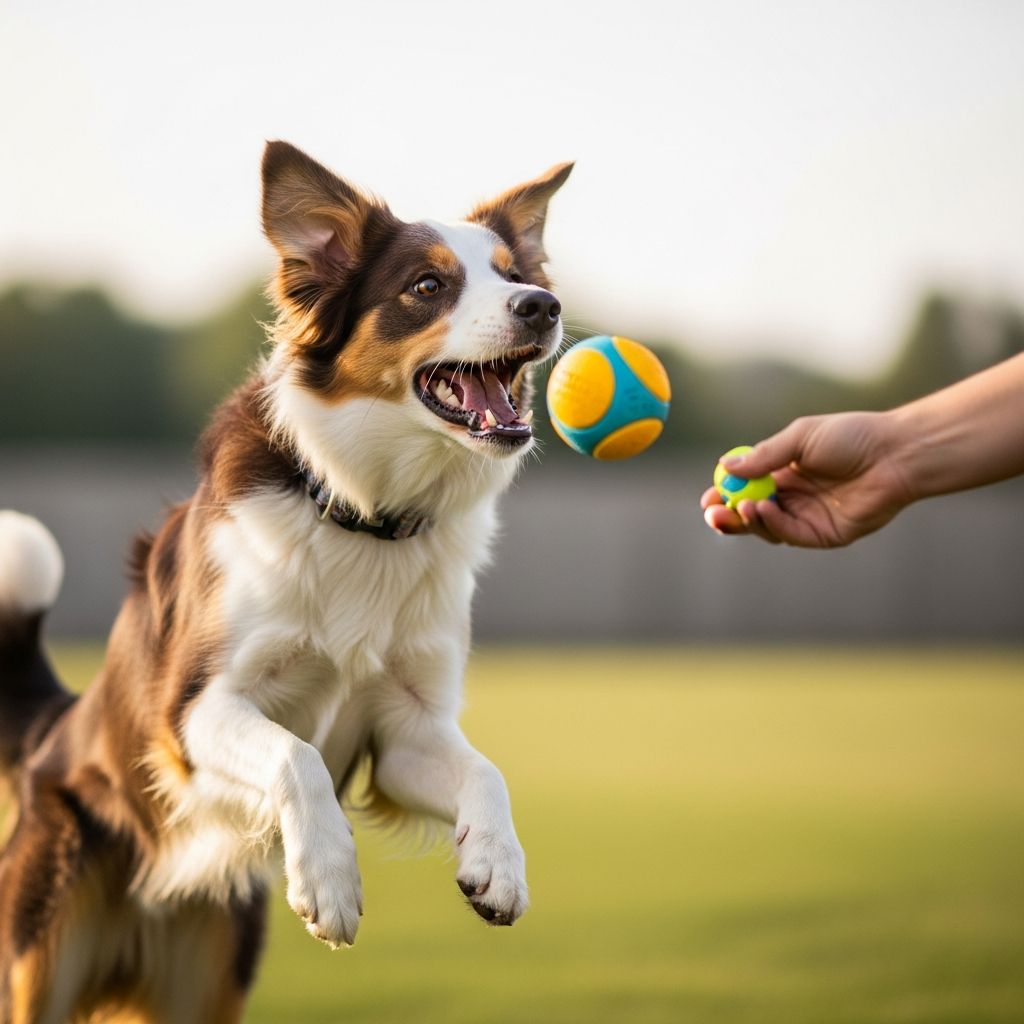
When it comes to dog training, most people think of treats as the primary motivator. However, many dog owners overlook one of the most powerful and engaging rewards available: toys and play. For certain canines, the opportunity to engage in interactive play can be just as—or even more—motivating than food-based incentives. Understanding how to leverage toy-based rewards can transform your training sessions, deepen your connection with your dog, and create a dynamic learning environment that keeps your pup excited and focused.
Why Toys Matter in Training Protocols
Toys represent more than just objects to keep a dog entertained. When incorporated strategically into training, they become powerful tools for behavior modification and learning reinforcement. The appeal of toy play taps into a dog’s natural instincts—chase, grab, tug, and retrieve—making these rewards inherently satisfying. Unlike treats, which provide immediate gratification through consumption, toys offer prolonged engagement and the opportunity for interactive bonding.
Different dogs respond to different types of rewards based on their individual personalities and preferences. Some canines are highly food-motivated and will work relentlessly for a piece of kibble or a special treat. Others, particularly those with high prey drive or those bred for retrieving work, find toy play far more rewarding than edible incentives. Understanding your specific dog’s reward preferences is the foundation of effective, personalized training.
Identifying Your Dog’s Toy Preferences
Before you can use toys as training rewards, you need to determine which toys your dog genuinely values. This involves a systematic evaluation process that helps you identify high-value versus low-value items in your dog’s perspective.
The Preference Assessment Process
Begin by gathering a selection of different toys that represent various types: squeaky toys, balls, rope toys, tug toys, and plush items. One at a time, present each toy to your dog and observe their reaction carefully. Pay attention to their body language, including tail movement, ear position, and overall enthusiasm. Notice how quickly they engage with each item and how long they maintain interest before moving on.
Document which toys generate the strongest responses. Your dog might show intense excitement through rapid tail wagging, jumping, or immediate engagement with the toy. These are your highest-value toys. Reserve these premium items specifically for training sessions when you need maximum motivation. Lower-value toys that elicit mild interest can still be useful for less demanding training tasks or as occasional rewards.
This assessment process isn’t a one-time event. Dogs’ preferences can shift over time, and introducing new toys periodically helps maintain novelty and excitement in training sessions.
Building and Strengthening Toy Motivation
Not all dogs arrive with equal enthusiasm for toys. Some may show mild interest or lack the developed motivation that makes toy rewards truly effective. The good news is that toy motivation can be systematically developed and enhanced through targeted strategies.
Foundation Skills for Toy Play
Before toys become viable training rewards, your dog should understand basic toy-related behaviors. This includes:
- Taking the toy only upon your cue or permission
- Engaging in tug play when invited
- Releasing or dropping the toy on command
- Chasing and retrieving toys you’ve tossed
- Returning toys to you when requested
These foundation skills prevent frustration during training and ensure that play remains under your control. A dog that grabs toys unprompted or refuses to relinquish them during training becomes a distraction rather than a reward tool.
Making Toys More Appealing
Creating an enriched environment where toys feel special and valuable enhances their reward potential. Avoid the counterproductive practice of making toys constantly available. Instead, strategically introduce high-value toys during designated play sessions. This creates anticipation and maintains their perceived value in your dog’s mind.
Consider rotating toy selection. A toy your dog hasn’t seen in several days will generate renewed interest and excitement compared to toys available 24/7. This rotation strategy maintains novelty and keeps toys feeling novel and rewarding.
Interactive play with toys amplifies their reward value exponentially. Rather than simply handing your dog a toy and walking away, actively participate in play sessions. Tug gently, run away with the toy to trigger chase instincts, or bounce the toy enticingly. This animated engagement transforms a static object into a dynamic, interactive experience that most dogs find far more rewarding than solitary play.
Creating Dynamic Play Reward Sessions
The distinction between allowing your dog to play with a toy and using play as a deliberate training reward lies in intentional engagement and timing. Strategic play sessions during training create powerful associations between desired behaviors and enjoyable outcomes.
Duration and Intensity Considerations
Effective toy-based rewards require commitment and sustained engagement. A brief second of tug play won’t generate sufficient reward value to motivate behavior change. Instead, plan for several minutes of genuine, enthusiastic play. This might involve 10 to 30 seconds or longer of interactive engagement, depending on your dog’s preference and your training session structure.
The intensity of play should match the difficulty of the behavior being rewarded. More challenging or less naturally motivated behaviors deserve more substantial play rewards. Simple behaviors that your dog performs readily might receive shorter play sessions or lower-value toys.
Animation and Engagement Strategies
Transform play into an animated, engaging experience that makes it obviously rewarding. Rather than passively holding a toy for your dog to tug, create movement and excitement. Chase games where you run with the toy can trigger prey drive and create high-value reward experiences. Allowing your dog to catch the toy, then initiating gentle tug play, creates a pattern that most dogs find intensely rewarding.
Verbal enthusiasm and body language during play sessions amplify the reward value. Your excitement becomes contagious, and dogs readily pick up on your energy. Enthusiastic praise combined with active play creates a multisensory reward experience that addresses both your dog’s social and play motivations.
Toy Rewards Versus Food Rewards: Finding the Right Balance
The question isn’t whether food or toys make better rewards—it’s recognizing that different dogs, situations, and behaviors benefit from different reward types. A comprehensive training approach often incorporates both.
| Reward Type | Primary Advantages | Best Used For | Considerations |
|---|---|---|---|
| Food Rewards | Quick delivery, high variety, primal motivation, calm focus | New behaviors, calm dogs, focus-requiring tasks | May cause overstimulation in high-energy dogs, dietary restrictions |
| Toy Rewards | Extended engagement, natural instinct tapping, relationship building, sustained motivation | High-energy dogs, chase/retrieve behaviors, bonding activities | Requires more trainer participation, foundation skills needed |
| Combination Approach | Flexibility, addresses multiple motivators, maintains novelty | Complex training programs, diverse behavioral goals | Requires identifying individual dog preferences |
Some dogs naturally gravitate toward food motivation. These canines may include older dogs, dogs with lower energy levels, or breeds not specifically selected for retrieving or prey-drive activities. For these dogs, food remains the primary training motivator, though introducing toy play still provides valuable enrichment and bonding opportunities.
Conversely, high-energy dogs, younger canines, and certain working or sporting breeds often find toy play more naturally rewarding than edible incentives. These dogs benefit from toy-based training that channels their natural enthusiasm into focused, structured behavior.
Many successful training programs employ a hybrid approach. Use food rewards for establishing new behaviors requiring intense focus. Incorporate toy play for behaviors that tap into natural instincts like retrieving or herding. This multifaceted approach maintains novelty, prevents reward saturation, and creates a well-rounded reinforcement system.
Preventing Common Toy-Based Training Mistakes
Over-Reliance on Toy Availability
Owners sometimes counteract the reward value of toys by making them constantly accessible. When your dog can access their favorite toys whenever desired, using those toys as training rewards loses impact. The toy no longer feels special or worth working for. Strategic accessibility—providing toys during designated play times and training sessions—maintains their value as meaningful rewards.
Insufficient Play Duration
Brief, perfunctory toy interactions fail to motivate. A quick second of tug play provides minimal reward value. Commit to genuine, engaged play sessions lasting multiple minutes. Your enthusiasm and active participation directly correlate with the reward’s effectiveness.
Ignoring Individual Preferences
Assuming all dogs value all toys equally leads to frustration. Your dog’s specific preferences determine which items function as genuine rewards. Spend time identifying what truly motivates your individual canine, rather than relying on generalized assumptions about what dogs should prefer.
Neglecting Foundation Skills
Using toys as rewards before establishing toy-related foundation skills creates chaos. Ensure your dog understands basic toy behaviors—taking on cue, releasing on command, staying engaged under your direction—before integrating toys into formal training protocols.
Integrating Environmental Rewards
Beyond treats and toys, consider how environmental rewards enhance your training toolkit. Access to other dogs during socialization training, permission to approach water on hot days, or the opportunity to explore interesting scents can all reinforce specific behaviors. These real-world rewards feel inherently valuable to dogs and create positive associations with training environments and situations.
Frequently Asked Questions
Can I use the same toy repeatedly for training?
Yes, but with important caveats. Rotating toy selection maintains novelty and sustained reward value. Using the identical toy in every training session may decrease its motivational power over time. Strategic rotation—featuring certain toys for specific training periods, then rotating them out—maintains enthusiasm and prevents habituation.
How do I know if my dog prefers toys over treats?
Observe your dog’s natural behavior choices. If given simultaneous access to treats and toys, which does your dog gravitate toward? Which generates more intense excitement? Does your dog prefer interactive play over passive eating? These behavioral indicators reveal natural preference tendencies.
Should I starve my dog to make treats more valuable?
No. Depriving your dog of adequate nutrition to increase treat motivation creates welfare concerns and is unnecessary. Instead, use training-appropriate portion sizes, select extra-special treats reserved specifically for training, and rotate rewards to maintain novelty and motivation.
What if my dog loses interest in play during training?
Vary your approach and intensity. Increase animation, change play types, or switch to different toys. Sometimes dogs need genuine breaks rather than continuous training. Short, high-intensity training sessions often prove more effective than prolonged sessions where motivation wanes.
Can I use toy play with dogs of all ages?
Generally yes, though older dogs may have physical limitations. Adjust play intensity and duration to match your dog’s age and health status. Even senior dogs often enjoy gentle, brief play sessions, though they might not maintain interest as long as younger counterparts.
Building Lasting Training Success Through Play
Toy-based rewards represent a largely underutilized training resource that, when properly implemented, creates profound shifts in motivation, engagement, and learning outcomes. By identifying your dog’s genuine toy preferences, building toy motivation through strategic availability and engagement, and creating dynamic play reward sessions, you transform training from an obligatory chore into an anticipated, joyful interaction.
The time you invest in understanding and developing toy motivation yields dividends throughout your dog’s training journey. You’ll notice increased enthusiasm for training sessions, stronger focus and engagement, and a deepened bond forged through interactive play. Your dog learns desired behaviors more readily when working toward rewards they genuinely value, and you experience the satisfaction of a training partnership built on mutual enjoyment and positive reinforcement.
Whether toy play becomes your primary training tool or complements food-based rewards in a hybrid approach, recognizing and leveraging your dog’s toy motivation unlocks new dimensions of training effectiveness and enrichment possibility.
References
- Using Predictable Rewards to Train Your Dog — VCA Animal Hospitals. https://vcahospitals.com/know-your-pet/using-predictable-rewards-to-train-your-dog
- The Power of Reinforcement in Dog Training: Food or Toys? — Simon Prins Professional Dog Training. https://www.simonprins.com/the-power-of-reinforcement-in-dog-training-food-or-toys/
- Creating Reward Events: Using Play with Food & Toy Rewards in Training — De Marinis Dog Training. https://www.demarinisdogtraining.com/blog/toy-rewards-play
- What Rewards Should I Use in Dog Training? — Barket Place. https://www.barketplace.uk/blog/what-rewards-should-i-use-in-dog-training
- The Science Behind Reward Based Dog Training Methods — Miami Valley K9. https://miamivalleyk9.com/the-science-behind-reward-based-dog-training-methods/
Similar Articles








Read full bio of medha deb