

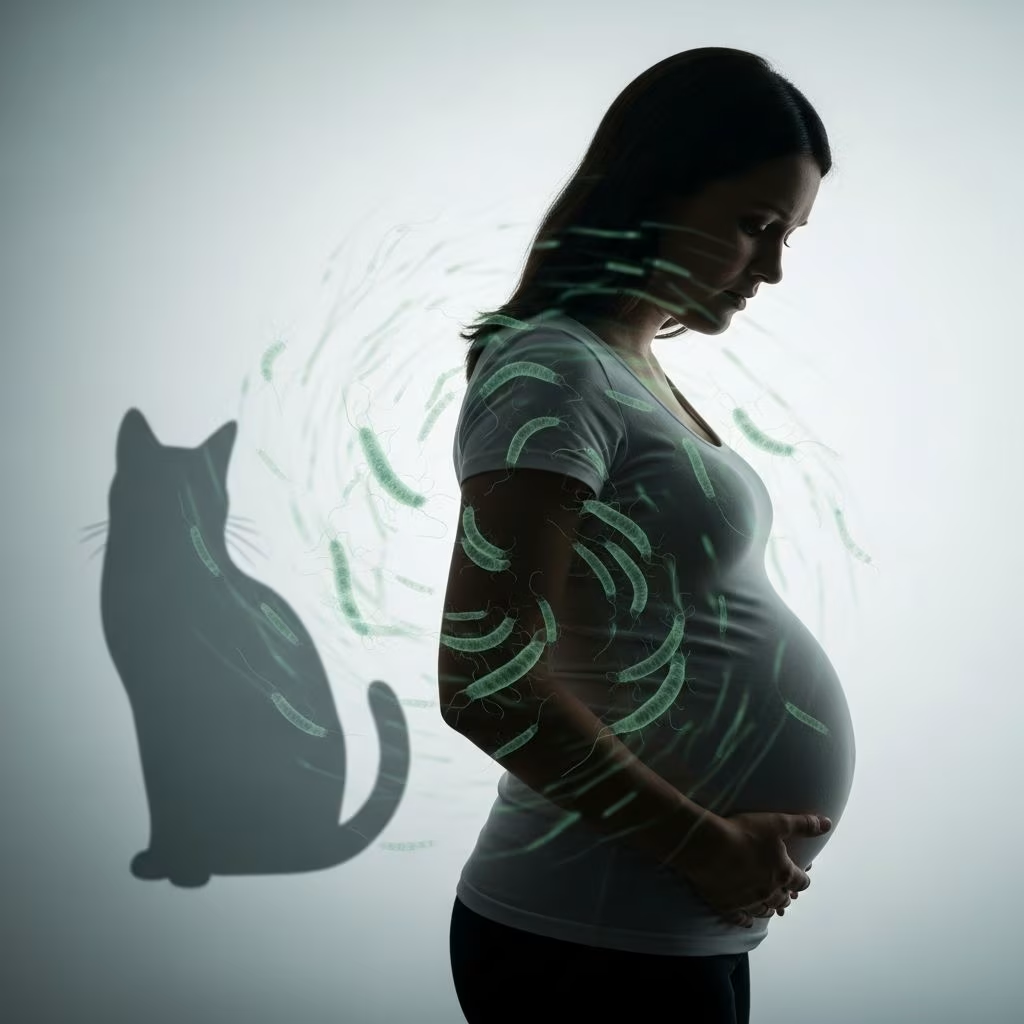
Toxoplasmosis, caused by the parasite Toxoplasma gondii, poses unique threats to pregnant individuals because it can cross the placenta and affect the developing fetus. While most healthy adults experience mild or no symptoms, infection during pregnancy heightens risks of miscarriage, stillbirth, or congenital defects in the baby.
Understanding the Toxoplasma Gondii Parasite
The Toxoplasma gondii parasite thrives in the intestines of cats, its definitive hosts, where it sheds infectious oocysts in feces. These oocysts become infectious after 1-5 days in the environment and can contaminate soil, water, or food. Humans acquire the infection primarily through ingestion of undercooked meat containing tissue cysts or oocysts from contaminated produce, water, or soil.
Once inside the human body, the parasite forms dormant cysts in muscles and the brain, often remaining asymptomatic. However, reactivation or new infections in vulnerable groups like pregnant people can lead to dissemination.
Transmission Pathways to Expectant Mothers
Common routes of exposure include:
- Handling raw or undercooked meat without proper hygiene, as tissue cysts survive in meats like pork, lamb, and venison.
- Consuming unwashed fruits and vegetables tainted with soil-embedded oocysts.
- Gardening or contact with contaminated soil without gloves.
- Cleaning cat litter trays, especially if cats hunt or eat raw meat, though daily cleaning reduces risk since oocysts need time to sporulate.
- Drinking untreated water or unpasteurized goat milk.
Importantly, casual petting of cats does not transmit the parasite; risk stems from fecal matter exposure.
Why Pregnancy Amplifies the Danger
Prior infections, occurring months before conception, typically confer immunity, protecting the fetus. But acute infection during pregnancy allows the parasite to traverse the placenta, with transmission probability varying by trimester: low (10-15%) in the first but severe if it occurs; rising to 60-80% in the third, often milder.
| Trimester of Infection | Transmission Risk to Fetus | Potential Severity |
|---|---|---|
| First | Low (10-25%) | High: miscarriage, severe defects |
| Second | Moderate (30-50%) | Moderate: neurological issues |
| Third | High (60-80%) | Low: often asymptomatic at birth |
This table summarizes risks based on clinical data; early infections threaten fetal viability more profoundly.
Potential Impacts on the Fetus and Newborn
Congenital toxoplasmosis manifests as toxoplasmic chorioretinitis (eye inflammation), hydrocephalus, intracranial calcifications, and hearing loss. Long-term, affected children may face intellectual disabilities, vision impairment, or seizures emerging years later. In the U.S., about 85% of pregnant women lack prior immunity, underscoring widespread vulnerability.
Preterm birth, low birth weight, and stillbirth rates also elevate. Early diagnosis and intervention are crucial to mitigate these outcomes.
Spotting Symptoms in Pregnant Individuals
Many infections are subclinical, mimicking flu-like illness with fatigue, muscle aches, swollen lymph nodes, or fever. Rarely, severe cases involve organ involvement. Fetal monitoring via ultrasound may reveal calcifications or fluid buildup.
Diagnostic Approaches During Pregnancy
Serological tests detect IgM (acute infection) and IgG (past exposure) antibodies. Avidity testing differentiates recent from prior infections. Amniocentesis confirms fetal involvement post-18 weeks. Prenatal screening is routine in some countries but varies.
Treatment Options to Protect the Baby
Prompt therapy reduces transmission and severity. Before 18 weeks, spiramycin lowers fetal infection risk without crossing the placenta. Post-18 weeks, pyrimethamine, sulfadiazine, and leucovorin target the parasite directly, continued through delivery. Hospitalization aids severe cases. Newborns receive extended antibiotics if infected.
Pre-conception, wait 6 months post-infection before trying to conceive.
Proven Prevention Strategies for Pregnancy
Minimizing exposure is key:
- Food Safety: Cook meats to 160°F (71°C) internal temperature; freeze at 0°F (-18°C) for 3 days to kill cysts. Wash produce under running water.
- Hygiene: Scrub hands, utensils, and surfaces after raw meat contact. Use separate cutting boards.
- Cat Precautions: Delegate litter duties; if unavoidable, use gloves, change daily, and wash hands. Feed commercial cat food, keep cats indoors.
- Gardening/Sandboxes: Wear gloves; cover sandboxes.
- Water and Milk: Opt for pasteurized products and treated water.
These steps, if followed diligently, drastically cut infection odds.
Pre-Conception Planning and Immunity Testing
Women planning pregnancy should consider toxoplasmosis serology. Seropositive status indicates immunity; seronegative individuals must heighten precautions. Post-infection, a 6-month delay ensures clearance.
Myths and Facts About Toxoplasmosis
| Myth | Fact |
|---|---|
| Petting cats causes infection. | False: Only fecal exposure does; stroking is safe. |
| All infected babies show symptoms at birth. | False: Many are asymptomatic initially, with issues later. |
| You can’t get it if immune. | True: Prior infection protects fetus. |
Frequently Asked Questions (FAQs)
What if I test positive early in pregnancy?
Treatment like spiramycin can prevent fetal transmission; consult your provider immediately.
Can I keep my cat during pregnancy?
Yes, with precautions: no raw feeding, daily litter changes by others.
Is toxoplasmosis screening standard?
Not universally, but recommended for at-risk groups.
How effective is treatment for the baby?
It reduces severe outcomes, though not always eliminates infection.
Does gardening pose high risk?
Only without gloves; wash hands thoroughly after.
Long-Term Outlook for Affected Children
With early treatment, many achieve normal development, but regular follow-ups for vision, hearing, and neurology are essential. Special education or therapies may be needed for some.
Public health efforts emphasize education, as most infections are preventable through awareness.
References
- Toxoplasmosis in Pregnancy: Causes and Risks | Tommy’s — Tommy’s. 2023. https://www.tommys.org/pregnancy-information/pregnancy-complications/infections/toxoplasmosis-pregnancy
- Toxoplasmosis: Causes, Symptoms, Treatment & Prevention — Cleveland Clinic. 2023-10-27. https://my.clevelandclinic.org/health/diseases/9756-toxoplasmosis
- Toxoplasmosis | Pregnancy Birth and Baby — Pregnancy Birth and Baby. 2023. https://www.pregnancybirthbaby.org.au/toxoplasmosis
- Toxoplasma Prevention Before You Become Pregnant – FDA — U.S. Food and Drug Administration. 2023. https://www.fda.gov/food/people-risk-foodborne-illness/toxoplasma-prevention-you-become-pregnant-food-safety-moms-be
- Toxoplasmosis During Pregnancy – My Health Alberta — Alberta Health Services. 2023. https://myhealth.alberta.ca/Health/pages/conditions.aspx?hwid=tn7481
- Toxoplasmosis | March of Dimes — March of Dimes. 2023. https://www.marchofdimes.org/find-support/topics/pregnancy/toxoplasmosis
- Toxoplasmosis – Symptoms and causes – Mayo Clinic — Mayo Clinic. 2023-11-18. https://www.mayoclinic.org/diseases-conditions/toxoplasmosis/symptoms-causes/syc-20356249



