

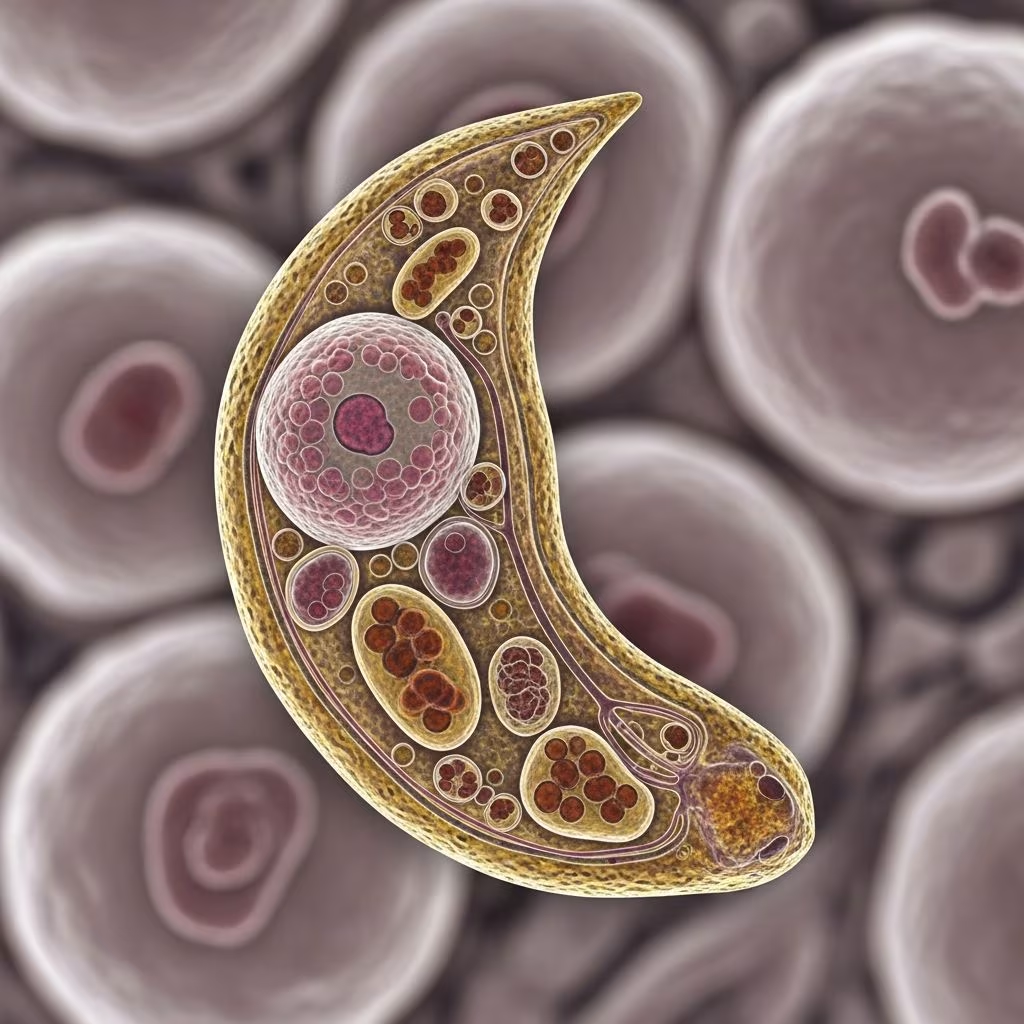
Toxoplasmosis, caused by the protozoan parasite Toxoplasma gondii, affects a broad spectrum of warm-blooded animals, leading to varied clinical outcomes from subclinical infections to fatal disease. This infection is particularly notable in cats as definitive hosts, but it poses significant risks to dogs, livestock, zoo species, and even humans through zoonotic transmission.
The Life Cycle and Transmission Pathways
The parasite’s complex life cycle involves felids as definitive hosts where sexual reproduction occurs, producing oocysts shed in feces that become infectious after sporulation in the environment. Intermediate hosts, including rodents, birds, livestock, and other mammals, ingest oocysts, leading to tissue cyst formation in muscles and the central nervous system.
Transmission occurs via ingestion of contaminated food, water, soil, or undercooked meat harboring bradyzoites or tachyzoites. Vertical transmission through congenitally infected dams to offspring is common in sheep and goats, contributing to abortions. In zoo settings, feral cats roaming enclosures amplify infection risk by contaminating feed and water sources.
- Oocyst ingestion: Primary route for new infections in herbivores and omnivores.
- Cannibalism or predation: Common in carnivores consuming infected tissues.
- Transplacental spread: Leads to neonatal disease in multiple species.
Susceptibility Across Animal Groups
While nearly all warm-blooded animals can harbor T. gondii, clinical disease severity varies by species, age, immune status, and parasite strain. Cats often remain asymptomatic carriers but can develop severe illness under stress or immunosuppression. Dogs typically show milder signs, frequently confused with neosporosis.
Livestock like sheep and goats face high abortion rates, making toxoplasmosis economically devastating. In zoos, primates, marsupials, and felids like Pallas’ cats exhibit heightened vulnerability, with outbreaks linked to environmental contamination.
| Animal Group | Susceptibility Level | Common Outcomes |
|---|---|---|
| Cats (Definitive Hosts) | High carriage, variable disease | Pneumonia, hepatitis, encephalitis |
| Dogs | Moderate | Neurological signs, myositis |
| Sheep/Goats | High | Abortion storms |
| Zoo Primates & Marsupials | Very High | Systemic fatal infections |
| Cattle/Horses | Low | Rare clinical cases |
Clinical Manifestations in Domestic Pets
In cats, clinical toxoplasmosis manifests as nonspecific signs like fever, anorexia, dyspnea, and lethargy, progressing to organ-specific involvement. Kittens from infected queens often present with ascites, hepatitis, pneumonia, and neurological deficits due to congenital infection. Adult cats may show uveitis, icterus, or cutaneous nodules, especially if immunosuppressed by FIV or FeLV.
Dogs typically exhibit generalized symptoms including fever, muscle pain, and respiratory distress, with neurological presentations like ataxia or seizures in severe cases. Immunocompromised dogs, such as those on chemotherapy, face higher risks of disseminated disease affecting lungs, liver, and brain.
Toxoplasmosis in Livestock and Wildlife
Sheep and goats suffer primarily from reproductive losses, with oocyst ingestion by pregnant ewes causing fetal resorption, mummification, stillbirths, or weak neonates. Clinical signs in dams include fever and agalactia. Pigs and cattle generally tolerate infection well, serving as meat sources for human transmission.
Wildlife, including rodents and birds, act as reservoirs, amplifying environmental contamination. In zoos, non-domestic species like ring-tailed lemurs, meerkats, Pallas’ cats, and squirrel monkeys show multisystemic disease with encephalitis, myocarditis, and lymphoid depletion. A retrospective review of zoo cases revealed year-round occurrences peaking in late summer to fall, underscoring feral cat control’s importance.
Pathological Findings and Organ Tropism
Histologically, toxoplasmosis induces granulomatous inflammation from tachyzoite proliferation, with necrosis and gliosis in affected tissues. Common targets include lymph nodes, liver, lungs, heart, spleen, brain, and eyes. In Pallas’ cats and meerkats, encephalitis predominates; lemurs show lymphoid involvement.
Diagnosis relies on histopathology, immunohistochemistry, serology (IgM/IgG titers), and PCR detection of parasite DNA. Rising titers or positive tissue staining confirm active infection, distinguishing it from mimics like neosporosis or sarcocystosis.
Diagnosis Challenges and Strategies
Differential diagnosis is crucial due to overlapping signs with other protozoals (e.g., Neospora caninum, Sarcocystis) or viral diseases. In cats, seroprevalence is high (up to 88%), but clinical correlation with histopathology is key. Zoo veterinarians should suspect toxoplasmosis in sudden deaths or outbreaks, submitting multiple tissues for evaluation.
- Serology: Acute infection via IgM or 4-fold IgG rise.
- Bioassay: Mouse inoculation from tissues (gold standard but slow).
- Molecular: PCR on fluids/tissues for rapid detection.
Treatment Approaches for Affected Animals
Antiparasitic therapy combines clindamycin, sulfadiazine, and pyrimethamine, often with folinic acid to counter bone marrow suppression. Cats respond well to clindamycin (12.5-25 mg/kg BID for 4 weeks), while dogs may require trimethoprim-sulfadiazine. Supportive care addresses dehydration, secondary infections, and organ failure.
Prognosis improves with early intervention, but congenital cases and zoo outbreaks carry high mortality. Long-term suppression is needed in immunocompromised patients.
Prevention and Control Measures
Key strategies focus on breaking the life cycle: confine cats indoors to prevent oocyst shedding, cook meat thoroughly, freeze carcasses at -20°C for 3 days, and practice strict hygiene. In farms, rodent control and cat-proofing reduce contamination. Zoos must implement feral cat eradication, quarantine new arrivals, and monitor serology.
Vaccines like SCOPS for sheep reduce abortion incidence. Pregnant livestock should avoid pasture contaminated by cat feces during high-risk periods.
Zoonotic Implications and Public Health
T. gondii oocysts from cat feces pose risks to humans, especially pregnant women and immunocompromised individuals, causing chorioretinitis, encephalitis, or congenital defects. Pet owners should clean litter boxes daily, wear gloves for gardening, and avoid raw meat.
FAQs on Toxoplasmosis in Animals
What animals are most at risk for severe toxoplasmosis?
Primates, marsupials, Pallas’ cats, sheep, goats, and immunosuppressed cats/dogs face the highest risks of fatal disease.
How do I know if my cat has toxoplasmosis?
Look for lethargy, breathing issues, jaundice, or neurological signs; confirm with vet via blood tests and imaging.
Can toxoplasmosis be prevented in zoos?
Yes, through feral cat removal, enclosed feeding, and routine serosurveillance of susceptible species.
Is toxoplasmosis treatable in dogs?
Yes, with antibiotics like clindamycin; early diagnosis improves outcomes significantly.
Does cooking meat kill Toxoplasma?
Yes, heating to 67°C or freezing at -20°C for 3 days inactivates the parasite.
Emerging Research and Future Directions
Recent studies highlight genotype influences on virulence, with type II strains common in clinical cases. Zoo pathology reviews emphasize seasonality linked to oocyst survival, advocating integrated pest management. Ongoing trials explore novel antiprotozoals and vaccines for broader species protection.
References
- Toxoplasmosis in Zoo Animals: A Retrospective Pathology Review — PMC. 2022-03-01. https://pmc.ncbi.nlm.nih.gov/articles/PMC8909417/
- Clinical Toxoplasmosis in Dogs and Cats: An Update — PMC. 2019-02-20. https://pmc.ncbi.nlm.nih.gov/articles/PMC6399377/
- Toxoplasma gondii – Companion Animal Parasite Council — CAPC. 2023-01-01. https://capcvet.org/guidelines/toxoplasma-gondii/
- Toxoplasmosis | American Veterinary Medical Association — AVMA. 2024-05-15. https://www.avma.org/resources-tools/pet-owners/petcare/toxoplasmosis
- Toxoplasmosis in Cats | Cornell University — Cornell Feline Health Center. 2023-11-10. https://www.vet.cornell.edu/departments-centers-and-institutes/cornell-feline-health-center/health-information/feline-health-topics/toxoplasmosis-cats
- DPDx – Toxoplasmosis — CDC. 2025-01-20. https://www.cdc.gov/dpdx/toxoplasmosis/index.html
- GUIDELINE for Toxoplasma gondii infection — ABCD cats & vets. 2022-06-15. https://www.abcdcatsvets.org/guideline-for-toxoplasma-gondii-infection/



