

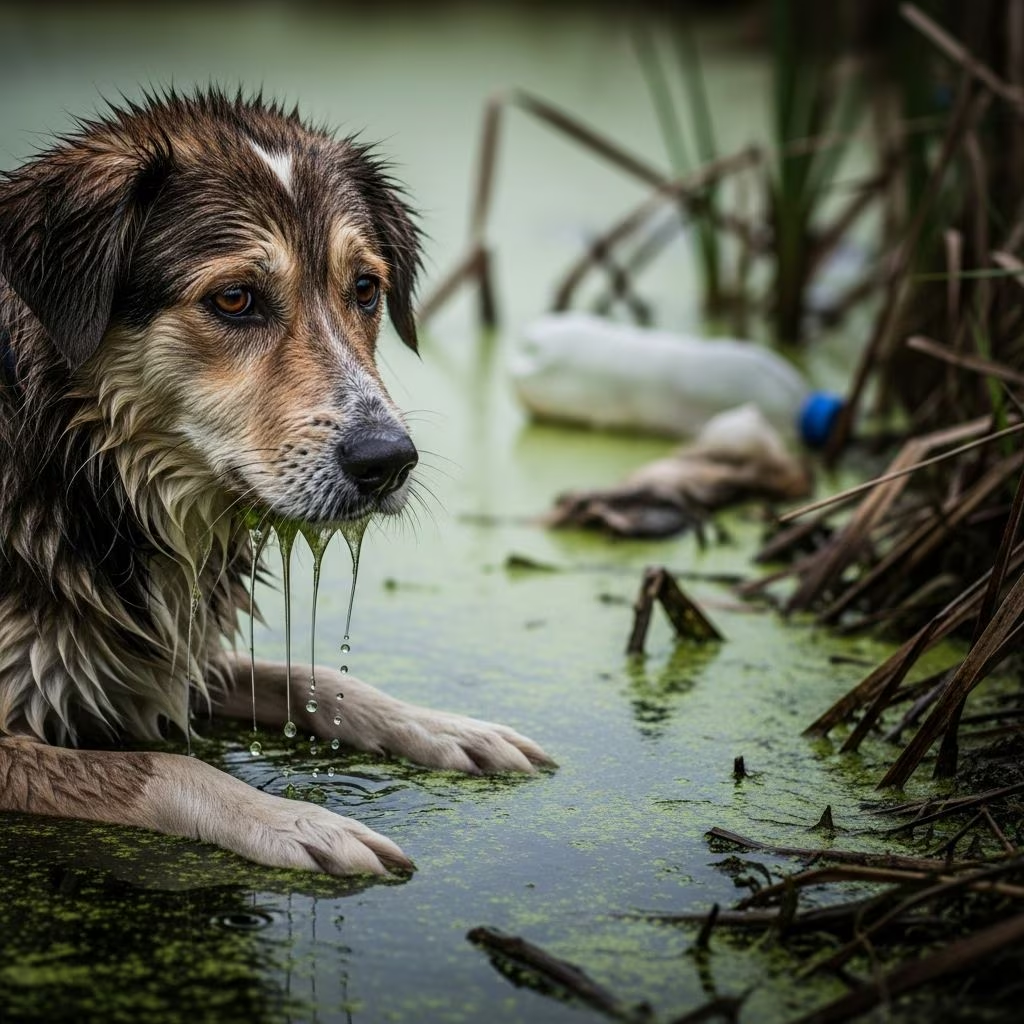
Dogs love water, whether it’s lapping from a puddle, swimming in a pond, or gulping from their bowl after playtime. However, what seems refreshing can harbor deadly contaminants that lead to severe illness or even death. From toxic algae blooms to bacterial infections and overhydration risks, contaminated water sources pose significant threats to canine health. Understanding these dangers empowers owners to safeguard their pets effectively.
Common Waterborne Pathogens Threatening Canine Health
Water in natural environments often contains microscopic invaders that exploit dogs’ curiosity. Stagnant ponds, slow-moving streams, and even urban puddles can teem with bacteria, parasites, and toxins capable of causing rapid deterioration in a dog’s condition.
Blue-Green Algae: A Silent Killer in Freshwaters
Blue-green algae, scientifically known as cyanobacteria, form visible blooms in warm, nutrient-rich waters like lakes and reservoirs. These organisms produce potent neurotoxins and hepatotoxins that attack the nervous system and liver. Even minimal ingestion—through drinking or licking wet fur—can trigger symptoms within minutes, including seizures, disorientation, vomiting, and liver failure. In severe cases, death occurs within hours.
- Recognize blooms by their green, blue, or reddish scum on water surfaces, often with a musty odor.
- Dogs are drawn to the smell, increasing accidental exposure during walks or swims.
- Swimming alone can cause skin irritation; always rinse pets thoroughly after water activities.
Leptospirosis: The Bacterial Menace in Stagnant Pools
Leptospira bacteria thrive in warm, slow-moving or standing water contaminated by infected animal urine, such as from wildlife or rodents. Dogs contract it through mucous membranes, cuts, or ingestion, leading to multi-organ damage, particularly kidneys and liver. Symptoms range from fever and lethargy to jaundice, bloody urine, and acute kidney failure. Early antibiotic intervention is crucial, but vaccination remains the best defense.
| Symptom | Onset Time | Severity |
|---|---|---|
| Fever and vomiting | 4-12 days post-exposure | Mild to moderate |
| Kidney pain, bloody urine | 1-2 weeks | Severe |
| Liver failure | Advanced stages | Life-threatening |
Parasitic Invaders: Giardia and Beyond
Protozoan parasites like Giardia lamblia contaminate water via fecal matter from infected animals. In high-risk areas, up to 1 in 11 dogs test positive. Infection causes chronic diarrhea with mucus or green tint, weight loss, flatulence, and dehydration. Schistosomiasis, caused by heterobilharzia americana flatworms in snail-infested waters, targets the liver and intestines, potentially proving fatal without treatment.
- Prevent by avoiding untreated water; test stool if symptoms persist.
- Treatment involves antiparasitic meds and supportive care for hydration.
Man-Made and Environmental Water Risks
Beyond natural sources, everyday scenarios introduce unique hazards. Ocean swims, garden hoses, and even processed waters can disrupt a dog’s electrolyte balance or introduce salts and chemicals.
Ocean Water: Salt Overload Dangers
Seawater’s high sodium content—about 100 times that of tap water—draws fluid into the gut upon ingestion, causing immediate diarrhea, dehydration, and weakness. Excessive intake leads to hypernatremia, manifesting as tremors, seizures, or coma. Small dogs are especially vulnerable due to lower body mass.
Stagnant Puddles and Park Runoff
Puddles in dog parks or trails collect feces runoff, fostering bacteria, viruses, and parasites. These ‘attractive’ standing waters lure dogs but risk gastrointestinal upset or systemic infections like lepto.
Distilled and Overly Pure Waters
While safe in moderation, exclusive use of distilled water strips essential minerals, leading to electrolyte imbalances, tissue edema, and cellular damage. Dogs relying solely on it may suffer weakness or overhydration.
Water Intoxication: The Overenthusiastic Hydration Hazard
During prolonged play in pools, rivers, or with hoses, dogs can swallow excessive freshwater, diluting blood sodium (hyponatremia). Swollen brain cells cause staggering, vomiting, dilated pupils, seizures, and coma. Small breeds reach toxic thresholds faster; monitor playtime closely.
- Signs appear rapidly: bloating, lethargy, excessive drooling.
- Emergency vet care involves IV saline to restore balance; prognosis is good if caught early.
Safe Hydration Strategies for Your Dog
Proactive measures ensure your dog stays hydrated without risk. Prioritize controlled sources and vigilant monitoring.
Optimal Home Water Solutions
Use filtered or bottled spring water for bowls, refreshing daily. Ceramic or stainless steel bowls resist bacterial growth better than plastic. Add dog-safe electrolytes during hot weather or exercise.
| Water Type | Pros | Cons | Recommendation |
|---|---|---|---|
| Tap (filtered) | Accessible, mineral-rich | Possible contaminants | Daily use with filter |
| Spring bottled | Pure, balanced minerals | Costly | Ideal for travel |
| Distilled | Pure H2O | Lacks electrolytes | Occasional only |
Outdoor Precautions
- Carry portable bowls filled with home water on walks.
- Avoid all standing water; train ‘leave it’ command.
- Post-swim, bathe immediately to remove residues.
Testing and Monitoring Water Quality
For rural owners with wells, test annually for bacteria and heavy metals. Urban tap water reports from local utilities guide filtration needs. Watch for communal bowls at parks—they can spread pathogens via paw contamination.
Recognizing and Responding to Water-Related Illness
Swift action saves lives. Familiarize yourself with symptom clusters.
- Gastrointestinal: Diarrhea, vomiting, appetite loss—deworm/parasite check.
- Neurological: Tremors, ataxia—suspect algae or intoxication.
- Systemic: Jaundice, fever—lepto or organ failure.
Rush to a vet with exposure history; diagnostics include bloodwork, urinalysis, and imaging. Supportive therapies like fluids and antibiotics are standard.
Frequently Asked Questions (FAQs)
Can my dog get sick from drinking rain puddles?
Yes, rain collects pollutants, bacteria, and chemicals from surfaces, risking infections like giardia or lepto.
How do I know if a lake has blue-green algae?
Look for discolored scum, foul smells; check local advisories from environmental agencies.
Is swimming in chlorinated pools safe?
Generally yes, but avoid swallowing; rinse after to prevent dry skin.
What if my dog shows mild symptoms after water exposure?
Monitor closely; contact vet if worsening—early intervention prevents escalation.
Should I vaccinate against leptospirosis?
Highly recommended in endemic areas; consult your vet for risk assessment.
Long-Term Prevention Blueprint
Integrate habits like routine deworming, vaccinations, and health check-ups. Educate family on risks, especially with puppies or seniors who are more susceptible. By choosing safe waters and staying alert, you ensure your dog’s joyful splashes remain hazard-free adventures.
References
- Water Hazards for Dogs — Sandia Animal Clinic. 2024-07-01. https://www.sandiaanimalclinic.com/2024/07/01/water-hazards-for-dogs/
- 7 Types of Water That Can Make Your Dog Sick — PetMD. n.d. https://www.petmd.com/dog/slideshows/7-types-water-can-make-your-dog-sick
- What is water intoxication in dogs, and why is it dangerous? — PDSA. n.d. https://www.pdsa.org.uk/what-we-do/blog/what-is-water-intoxication-in-dogs-and-why-is-it-dangerous
- The Dangers of Standing Water — Animal Care Unlimited. n.d. https://www.animalcareunlimited.com/blog/the-dangers-of-standing-water-how-puddles-and-ponds-can-harm-your-pet/
- Blue-Green Algae and its Dangers to Dogs — Blue Cross. n.d. https://www.bluecross.org.uk/advice/dog/blue-green-algae-and-its-dangers-to-dogs
- Dogs and Water and Water-borne Diseases — Morris Animal Foundation. n.d. https://www.morrisanimalfoundation.org/article/dogs-and-water-and-water-borne-diseases-summertime-tradition



