
Toxic Range Plants: Identification And Management Guide
Essential guide to identifying and managing poisonous vegetation threatening livestock on temperate rangelands across North America.
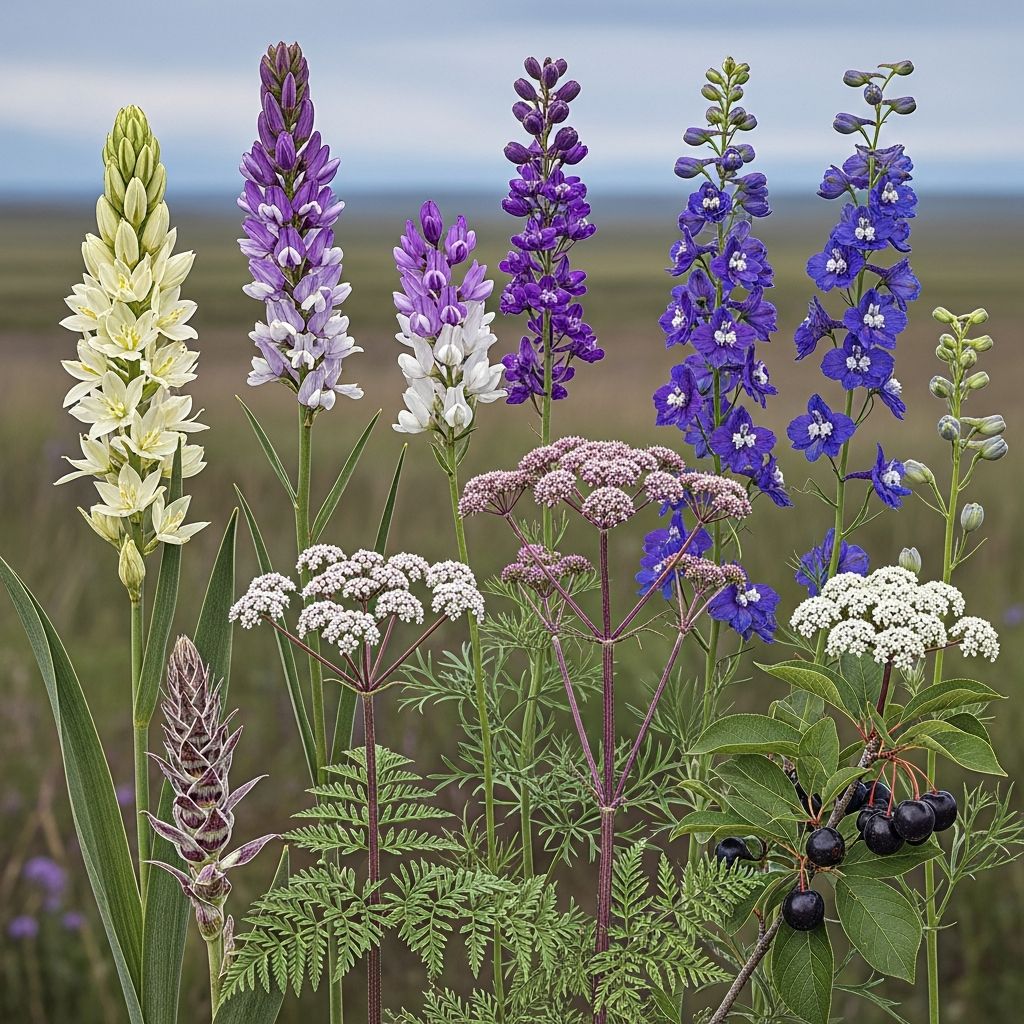
North America’s temperate rangelands host a variety of vegetation essential for livestock grazing, but hidden among them are numerous toxic plants that pose significant risks to cattle, sheep, goats, and horses. These plants cause substantial economic losses annually, affecting 3-5% of cattle and sheep through poisoning incidents that lead to illness, death, or reproductive issues. Understanding their identification, habitats, toxic principles, and management is crucial for sustainable ranching.
Why Toxic Plants Thrive on Rangelands
Rangelands, characterized by native grasses, forbs, and shrubs in temperate regions from the Great Plains to the Rocky Mountains and Pacific Northwest, provide ideal conditions for toxic plants. Drought, overgrazing, and soil disturbances favor their proliferation, as many are unpalatable or invasive species that dominate when forage is scarce. Livestock may consume them during hunger or when young growth masks toxicity, leading to acute or chronic poisoning.
Key Categories of Range Toxins
Toxic plants on rangelands can be grouped by their poisonous compounds and effects:
- Neurotoxins: Disrupt nervous system function, causing tremors, convulsions, or paralysis (e.g., hemlocks, larkspurs).
- Gastrointestinal irritants: Induce vomiting, diarrhea, and abdominal pain (e.g., deathcamas, milkweeds).
- Reproductive toxins: Cause abortions or birth defects (e.g., lupines, ponderosa pine).
- Photosensitizers: Lead to skin reactions upon sun exposure (e.g., hypericum, sneezeweed).
- Selenium accumulators: Induce chronic selenium toxicity (e.g., certain astragalus species).
Critical Toxic Plants and Their Impacts
Below is a detailed examination of prevalent toxic species, including botanical details, habitats, symptoms, and affected animals.
Water Hemlock and Poison Hemlock
Water hemlock (Cicuta douglasii and C. maculata) grows in wet meadows and streambanks, featuring parsley-like leaves and chambered roots highly toxic due to cicutoxin, which triggers violent convulsions and death within hours. Poison hemlock (Conium maculatum), an invasive biennial in disturbed areas, contains coniine alkaloids causing neurotoxicity, tremors, and respiratory failure; lethal at 0.5% body weight. Both threaten all livestock, with roots most dangerous.
Larkspurs: Low and Tall Varieties
Larkspurs (Delphinium spp.) dominate western rangelands in foothills and mountains. Low larkspur affects early spring grazing, while tall varieties peak mid-summer. Alkaloids like delphinine cause stumbling, recumbency, and cardiac arrest in cattle. They rank second in livestock deaths from plant toxins.
Lupines and Locoweeds
Lupines (Lupinus spp.) vary from annuals to perennials across prairies and mountains, teratogenic alkaloids inducing crooked calf syndrome. Locoweeds (certain Astragalus spp.), dubbed milkvetches, cause locoism—neurological derangement from swainsonine, leading to weight loss and abortion in sheep and cattle.
Deathcamas and False Hellebores
Deathcamas (Zigadenus spp., now Toxicoscordion) inhabits meadows with grass-like leaves and cream flowers; alkaloids provoke vomiting and collapse. Western false hellebore (Veratrum californicum) in high meadows causes birth defects and cardiac issues.
Senecio Species and Rayless Goldenrod
Riddell groundsel (Senecio riddellii) and threadleaf groundsel (S. longilobus) in arid southwest rangelands contain pyrrolizidine alkaloids leading to liver failure. Rayless goldenrod (Isocoma pluriflora) induces trembles in cattle during fall. Tansy ragwort (Senecio jacobaea) invades pastures, causing similar hepatic damage.
Woody Toxins: Pines, Oaks, and Snakeweeds
Ponderosa pine (Pinus ponderosa) needles abort cattle fetuses via isocupressic acid. Oaks (Quercus spp.) tannins damage kidneys in overbrowsed areas. Broom snakeweed (Gutierrezia sarothrae) causes respiratory distress and abortions.
Other Notable Threats
- Milkweed (Asclepias spp.): Cardiac glycosides cause weakness and scours.
- Sneezeweed (Hymenoxys hoopesii): Photosensitization and brain swelling.
- Halogeton (Halogeton glomeratus): Oxalates induce hypocalcemia.
- Greasewood (Sarcobatus vermiculatus): Oxalate overload in salt deserts.
Symptoms of Plant Poisoning in Livestock
Recognition of clinical signs aids early intervention:
| Plant Group | Common Symptoms | Affected Species |
|---|---|---|
| Hemlocks | Salivation, tremors, convulsions, death | All livestock |
| Larkspurs | Stiff gait, collapse, bloat | Cattle primarily |
| Locoweeds | Depression, starvation, abortion | Sheep, cattle |
| Senecios | Weight loss, jaundice, liver failure | Cattle, horses |
| Ponderosa Pine | Abortion, retained placenta | Cattle |
Prevention and Management Strategies
Proactive measures minimize risks:
- Scouting and Mapping: Regularly survey pastures for toxic plants, especially post-drought.
- Grazing Management: Rotate pastures, provide supplements during scarcity to deter ingestion.
- Herbiciding: Target invasives like halogeton with approved chemicals in spring/fall.
- Fencing and Water Placement: Avoid low-lying wet areas harboring hemlocks.
- Supplemental Forage: Hay or protein blocks reduce hunger-driven consumption.
Integrated pest management, including biological controls for locoweed, shows promise.
Diagnosis and Treatment Approaches
Veterinary diagnosis involves history, symptoms, necropsies, and toxin tests. Activated charcoal or laxatives aid acute cases; supportive care like fluids and anti-convulsants is key. No specific antidotes exist for most.
Regional Hotspots and Seasonal Risks
Western states like Montana, South Dakota, and Wyoming report highest incidents. Spring sees larkspur/deathcamas peaks; fall brings goldenrod/snakeroot threats. Climate change may expand ranges of invasives like poison hemlock.
FAQs
What are the most deadly range plants?
Water hemlock tops the list, followed by poison hemlock and larkspurs due to rapid lethality.
How can ranchers identify toxic plants early?
Use apps, guides, and local extension services; focus on leaves, flowers, habitats.
Are toxic plants harmful to humans too?
Yes, especially hemlocks and deathcamas; avoid handling without gloves.
Can poisoned livestock recover?
Acute cases often fatal; chronic like locoweed may resolve with removal, but liver damage persists.
What role does drought play?
It concentrates toxins and forces grazing of dangerous plants.
Future Outlook for Rangeland Safety
Research into resistant livestock breeds and advanced herbicides continues. Rancher education via extensions remains vital to curb losses exceeding millions yearly.
References
- Poisonous Plants on Rangelands — Rangelands Gateway. 2023. https://rangelandsgateway.org/topics/uses-range-pastureland/livestock-production/poisonous-plants-rangelands
- Don’t touch these plants! — U.S. Fish & Wildlife Service. 2024-06-12. https://www.fws.gov/story/dont-touch-these-plants
- Families – Plants Poisonous to Livestock and Pets — NCSU Herbarium. 2022. https://herbarium.ncsu.edu/poisonous/families.htm
- Poisonous Plants Common in USA — Greenbelly. 2023. https://www.greenbelly.co/pages/poisonous-plants-identification-guide
- Poisonous Native Plants and Noxious Weeds — Montana State University Animal Range Extension. 2012. https://animalrangeextension.montana.edu/beef/documents/NutrConf2012-7-TonyKnightSlides.pdf
- Poisonous Plants on Rangelands — SDSU Extension. 2024. https://extension.sdstate.edu/tags/poisonous-plants-rangelands
Similar Articles








Read full bio of medha deb


