

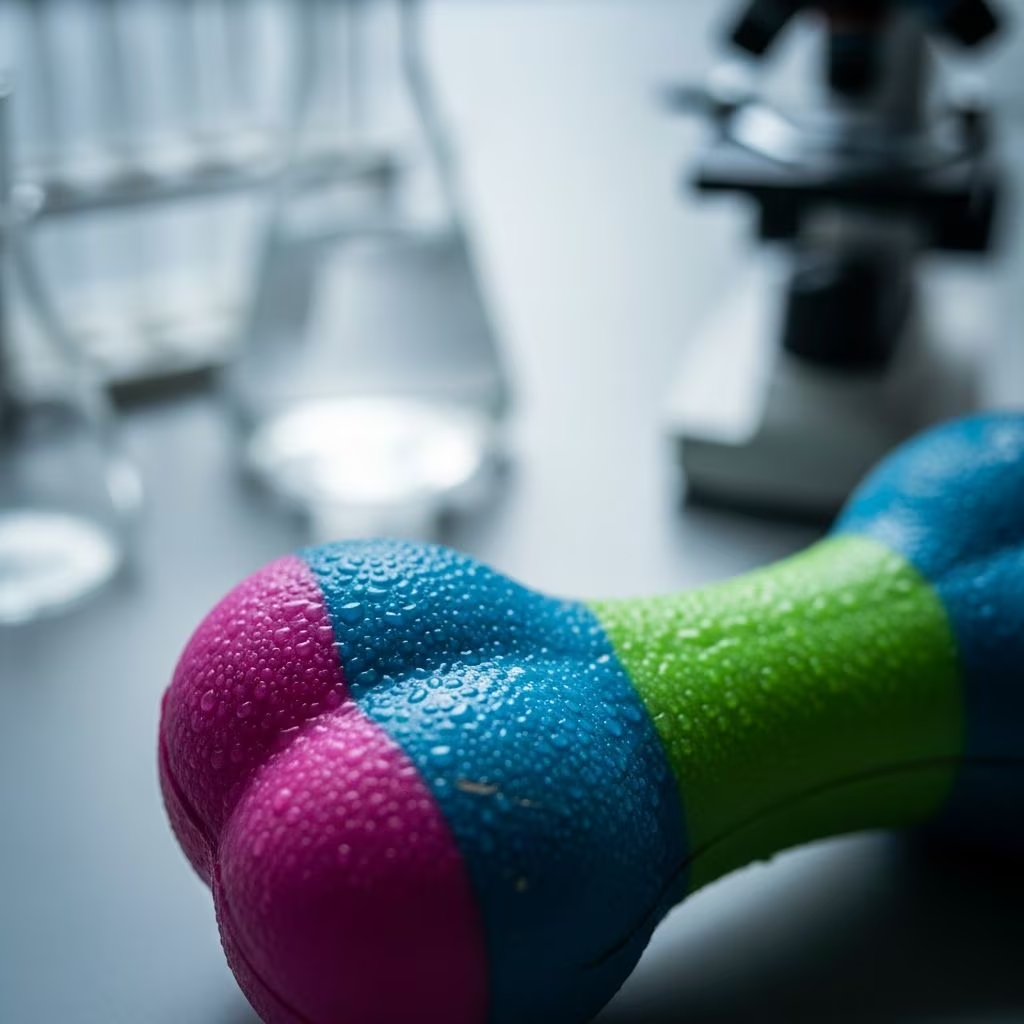
Plastic dog toys, from chew bumpers to fetch balls, promise fun and durability but often harbor dangerous chemicals that disrupt canine hormones. Studies reveal that bisphenol A (BPA) and various phthalates leach out during chewing, especially in weathered toys, mimicking estrogen or blocking androgens and potentially harming reproduction and development.
Understanding Endocrine Disruptors in Pet Products
Endocrine disruptors interfere with hormone systems, which regulate growth, metabolism, and reproduction in dogs. BPA, a key ingredient in polycarbonates, and phthalates, plastic softeners, are prime culprits in toys. These chemicals bind to hormone receptors, tricking the body into altered responses. Research from Texas Tech University showed these substances migrating into simulated dog saliva from training bumpers, with levels varying by color, age, and wear.
In lab tests, new toys released lower amounts, but outdoor storage boosted phthalate leaching due to UV light and heat accelerating breakdown. Chewing simulations using mechanical pressure further elevated concentrations, reaching parts per million in some cases. While exact canine risk thresholds remain unquantified, parallels to human studies flag concerns for fertility and thyroid function.
Key Chemicals Lurking in Your Dog’s Toys
- BPA (Bisphenol A): Mimics estrogen, linked to reduced fertility in animal models and thyroid shifts in pregnant subjects. Common in hard plastics for rigidity.
- DEHP (Diethylhexyl Phthalate): A potent phthalate banned in EU children’s toys; shows anti-androgenic effects, potentially impairing male reproduction.
- DBP (Dibutyl Phthalate): Associated with developmental delays; leaches readily under saliva and pressure.
- BBP, DEP, DMP: Other phthalates detected, varying in estrogenic or anti-androgenic activity, with some tied to allergies or cancer risks.
These compounds persist in the environment and bioaccumulate, amplifying exposure over time. A PMC review notes pet products lag behind child toy regulations, with dog toys leaching BPA and phthalates at pre-ban children’s toy levels.
Factors Amplifying Chemical Leaching
Not all toys pose equal threats; usage and storage dictate release rates. Sunlight degrades plastics, volatilizing lighter phthalates initially but mobilizing heavier ones later. “Aged” bumpers leached more than fresh ones in tests.
| Factor | Effect on Leaching | Example Increase |
|---|---|---|
| Outdoor Aging (1 month) | Higher phthalates | Up to 2-3x baseline |
| Chewing Simulation | Elevated BPA & phthalates | Low ppm levels detected |
| Toy Color | Inconsistent variation | Orange vs. white differences |
| Saliva Exposure | Extraction medium | Mimics real mouthing |
Retriever bumpers, carried long-term by service dogs, showed highest levels, underscoring training tool vulnerabilities.
Health Impacts on Dogs from Chronic Exposure
Dogs ingest these via mouthing, with risks compounding in puppies or breeding females. Animal studies link phthalates to anti-androgenic effects, shrinking testes and lowering sperm quality. BPA correlates with obesity, diabetes, and fetal programming errors, where maternal exposure alters offspring hormones lifelong.
While most dogs chew sporadically, avid chewers or those with weathered toys face higher doses. Environmental persistence means yard-stored toys become ongoing hazards. Vets note most exposures stay sub-acute, but cumulative effects warrant caution, especially amid rising pet cancer rates.
Regulatory Gaps: Pets vs. Children
Unlike children’s toys, where the U.S. CPSC and EU ban specific phthalates and BPA, pet products face lax oversight. The general “no hazardous substances” clause lacks teeth for endocrine disruptors. Pre-2010s tests found lead in tennis balls exceeding EU limits by 3x, highlighting broader issues.
Earthjustice calls for parity, citing Texas Tech data as a wake-up. Manufacturers self-regulate, but “BPA-free” labels don’t address phthalates or novel mimics.
Safe Toy Alternatives and Selection Guide
Opt for natural, durable options to minimize risks:
- Natural Rubber: Food-grade, non-toxic; withstands chewing without leaching.
- Hemp or Organic Cotton: Breathable fabrics free of synthetics.
- Hardwood or Antler Chews: Long-lasting, chemical-free; supervise to prevent splinters.
- Metal or Silicone: Inert materials for interactive play.
Verify third-party certifications like Greenguard or ASTM F963. Avoid vinyl/PVC, fuzzy-plush with plastic innards, and scented toys masking chemical odors.
Best Practices for Toy Storage and Maintenance
- Store indoors, away from sun/heat to preserve integrity.
- Inspect regularly; discard cracked or faded items.
- Wash with mild soap; air-dry shaded.
- Rotate toys to reduce wear.
- Choose based on dog’s chew style—light for gentle pups, heavy-duty for power chewers.
FAQs: Addressing Common Concerns
Are all plastic dog toys dangerous?
No, but many contain leachable additives. Prioritize natural materials over unregulated plastics.
What if my dog has chewed toxic toys for years?
Monitor for hormone-related issues like fur loss or behavioral shifts; consult a vet for bloodwork. Switch immediately.
Do BPA-free labels guarantee safety?
Not fully—phthalates and other disruptors may remain. Seek comprehensive non-toxic certifications.
Can these chemicals affect humans via pets?
Low risk, but handwashing post-play prevents transfer. Focus on pet safety first.
How do I test my dog’s toys?
Home kits exist for lead/phthalates, but lab services like those from Ecology Center offer precision.
Conclusion: Empowering Pet Parents
By choosing wisely and maintaining toys properly, you shield your dog from invisible threats. Research drives change—support brands prioritizing safety and advocate for stricter pet product regs. A toxin-free playtime ensures joyful, healthy years ahead.
References
- Hormone-Altering Chemicals A Common Hazard In Dog Toys — Whole Dog Journal. 2012. https://www.whole-dog-journal.com/care/dog-toys/hormone-altering-chemicals-a-common-hazard-in-dog-toys/
- Friday Finds: Fido’s Chemical Body Burden — Earthjustice. N/A. https://earthjustice.org/article/friday-finds-fido-s-chemical-body-burden
- BPA-Free and Nontoxic Dog Toys: What Do the Labels Mean? — PetMD. N/A. https://www.petmd.com/dog/wellness/bpa-free-and-nontoxic-dog-toys-what-do-labels-mean
- Endocrine-Disrupting Chemicals and Their Effects in Pet Dogs — PMC (NCBI). 2023-02-10. https://pmc.ncbi.nlm.nih.gov/articles/PMC9913107/
- How to Avoid Buying Pet Products with Toxic Chemicals — LeafScore. N/A. https://www.leafscore.com/eco-friendly-pet-products/how-to-avoid-buying-pet-products-with-toxic-chemicals/
- Toxic Chemicals Found In Dog Toys & Food Packaging — Peter Dobias Natural Pet Healing. N/A. https://peterdobias.com/blogs/blog/5-toxic-chemicals-in-dog-toys-and-food-packaging-you-must-protect-your-dog-from
- How Toxic Are Your Dog Toys? — Brookby Herbs. N/A. https://brookbyherbs.com/blogs/news/how-toxic-are-your-dog-toys



