

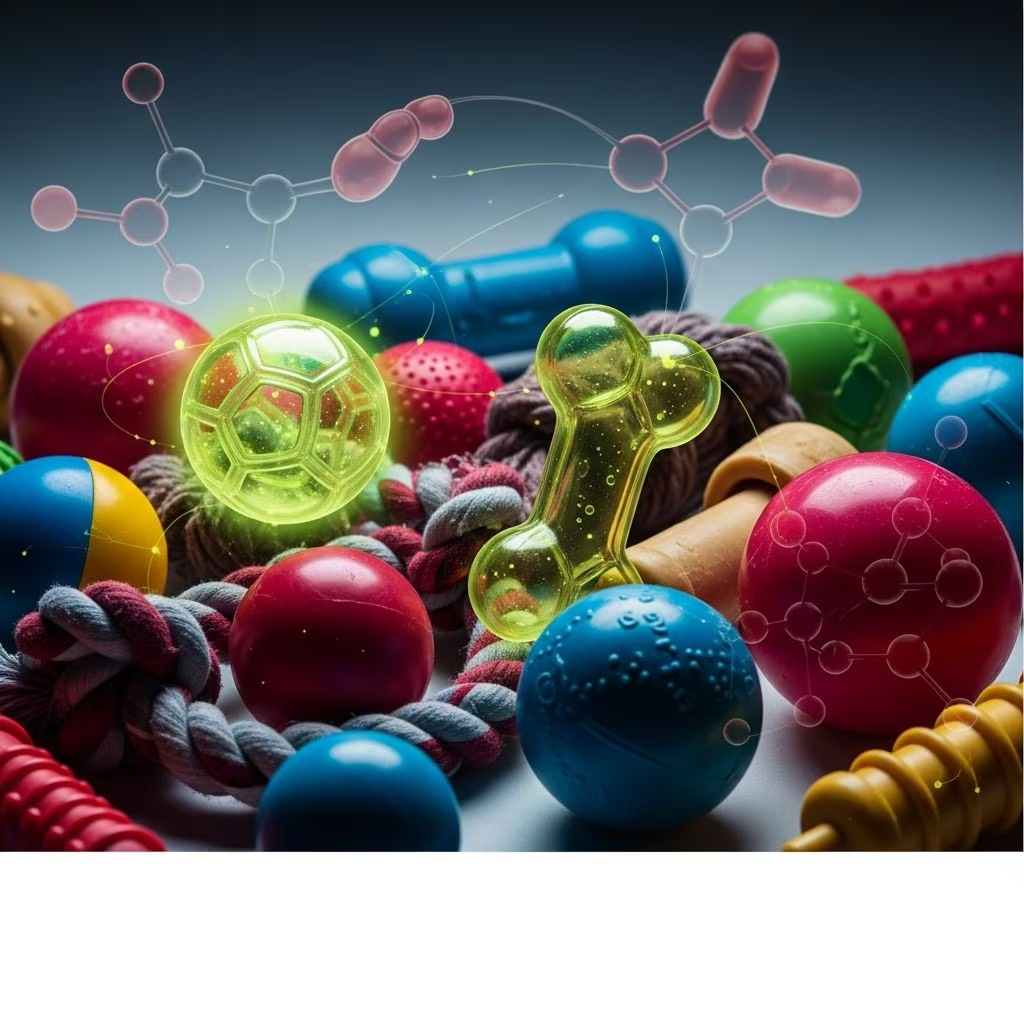
Everyday playtime with plastic dog toys might expose your furry friend to invisible threats. Chemicals such as bisphenol A (BPA) and phthalates, embedded in many chew and fetch items, can leach out during use, potentially disrupting your dog’s hormonal balance. These endocrine disruptors mimic or block natural hormones, raising concerns for reproductive health, development, and overall well-being.
Understanding Endocrine Disruptors in Pet Products
Endocrine disruptors interfere with the body’s hormone system, which regulates growth, metabolism, reproduction, and behavior. In dogs, exposure comes from mouthing plastic toys made flexible and durable through chemical additives. BPA, a key component in polycarbonates, and phthalates, used for plasticity in vinyl and PVC, are prime culprits. Research shows these substances release into saliva-like conditions, especially under chewing pressure or environmental aging.
Studies simulate real-world use by immersing toys in artificial saliva and applying mechanical stress. Results reveal varying leach rates, with some toys releasing chemicals in parts-per-million levels—concentrations high enough to warrant caution, though exact risks per dog remain hard to quantify without peer-reviewed thresholds for canines.
How Toys Release Harmful Chemicals
The leaching process accelerates with use and storage. New toys may smell strongly due to volatile compounds evaporating, but heavier phthalates persist and increase over time. Factors boosting release include:
- Chewing action: Physical manipulation squeezes chemicals from plastic matrices into saliva.
- Outdoor aging: Sunlight and heat degrade materials, elevating phthalate levels in weathered items.
- Color variations: Pigments in certain hues inconsistently affect leach rates, though patterns are unclear.
- Toy type: Training bumpers for retrievers show higher concentrations than standard chews.
Artificial saliva tests mimic a dog’s mouth environment, detecting multiple phthalates like DEHP, DBP, BBP, DEP, and DMP alongside BPA. Older or manipulated products consistently yield more, highlighting why “new toy smell” fades while deeper risks build.
Health Impacts on Dogs from Chemical Exposure
These chemicals act as estrogen mimics or anti-androgens, potentially altering testosterone and other hormones. In lab animals, BPA links to fertility problems, thyroid changes, and developmental issues in offspring. Phthalates correlate with reduced male reproduction, asthma, allergies, and obesity risks—effects observed in humans and extrapolated to pets.
For dogs, chronic low-dose exposure during play could affect puppy development if pregnant females chew affected toys, or impair adult fertility and endocrine function. While most dogs won’t ingest toxic amounts from occasional chewing, avid chewers or those with training bumpers in mouths for hours face higher cumulative loads. Environmental persistence means these chemicals also impact waterways via discarded toys.
| Chemical | Main Effects | Common in Dog Toys |
|---|---|---|
| BPA | Estrogen mimic; fertility, thyroid disruption | Hard plastics, polycarbonates |
| DEHP | Reproductive toxicity, liver damage | Flexible vinyl, PVC |
| DBP | Anti-androgenic, developmental harm | Softeners in chews |
| BBP | Hormone interference | Training bumpers |
Regulatory Gaps for Pet Products
Unlike children’s toys, where the EU bans several phthalates and BPA, U.S. pet toys face lax oversight. The Consumer Product Safety Commission offers general safety guidelines but no specific limits on endocrine disruptors for dogs. Pre-regulation children’s toys showed similar leach levels to modern pet items, underscoring the need for pet-specific standards.
Intergovernmental bodies push for restrictions in consumer goods, yet pets slip through. This leaves owners to scrutinize labels like “BPA-free,” which may omit phthalates or other mimics. Veterinary experts note environmental estrogenic effects from even trace amounts, urging proactive choices.
Spotting and Avoiding Risky Toys
Not all plastics are equal. Vinyl (PVC) and polycarbonate toys top the risk list due to additive reliance. Labels help, but “non-toxic” lacks standardization—check for third-party certifications like those from the Ecology Center’s testing.
Safe shopping tips:
- Opt for natural rubber, hemp rope, or wood-based toys.
- Avoid strong chemical odors indicating fresh phthalates.
- Choose “phthalate-free” or “natural materials” verified products.
- Inspect for softness suggesting plasticizers.
Brands emphasizing eco-friendly sourcing often test for contaminants. Tennis balls, too, hide lead or PVC—prefer felt-covered rubber alternatives.
Best Non-Toxic Toy Alternatives
Safer play doesn’t mean less fun. Here’s a curated list:
- Natural rubber: Durable, bouncy, and chemical-free for fetch.
- Felt or fabric: Stuffable with safe fillers for tug-of-war.
- Wood chews: Hardwoods like maple, untreated.
- Rope toys: Cotton or hemp for dental health.
- Metal or silicone: Food-grade for extreme chewers.
Rotate toys to prevent boredom and inspect regularly for wear, discarding fragments that could choke or leach more.
Proper Storage to Minimize Leaching
Preserve toy safety by storing indoors, away from sun and heat. Cool, dark cabinets prevent photodegradation. Wash with mild soap, air-dry indoors, and avoid microwaves or dishwashers that accelerate breakdown. For aged toys, retire them if odors return or flexibility increases suspiciously.
FAQs on Safe Dog Toys
What toys are safest for puppies?
Choose natural rubber or soft fabric; avoid plastics entirely during teething to protect developing systems.
Do BPA-free toys eliminate all risks?
Not necessarily—phthalates or other disruptors may remain. Verify full chemical disclosures.
How much chewing is too much?
Monitor avid chewers; switch to non-plastic if toys soften rapidly or show teeth marks.
Can these chemicals affect humans too?
Yes, handling chewed toys transfers residues; wash hands post-play.
Are expensive toys safer?
Price doesn’t guarantee safety—prioritize material transparency over brand.
Long-Term Strategies for Pet Wellness
Beyond toys, scan food packaging, beds, and collars for PVC. Advocate for better regulations by supporting pet safety petitions. Regular vet checkups can flag hormone imbalances early. By prioritizing material quality, you ensure play strengthens bonds without hidden health costs.
Empowering owners with knowledge turns routine purchases into health safeguards. Transitioning to vetted alternatives reduces exposure while maintaining joy in every game of fetch.
References
- Endocrine-Disrupting Chemicals and Their Effects in Pet Dogs and Cats — National Center for Biotechnology Information (PMC). 2023-02-08. https://pmc.ncbi.nlm.nih.gov/articles/PMC9913107/
- BPA-Free and Nontoxic Dog Toys: What Do the Labels Mean? — PetMD. 2023. https://www.petmd.com/dog/wellness/bpa-free-and-nontoxic-dog-toys-what-do-labels-mean
- Friday Finds: Fido’s Chemical Body Burden — Earthjustice. 2013. https://earthjustice.org/article/friday-finds-fido-s-chemical-body-burden
- How to Avoid Buying Pet Products with Toxic Chemicals — LeafScore. 2023. https://www.leafscore.com/eco-friendly-pet-products/how-to-avoid-buying-pet-products-with-toxic-chemicals/
- Hormone-Altering Chemicals A Common Hazard In Dog Toys — Whole Dog Journal. 2013. https://www.whole-dog-journal.com/care/dog-toys/hormone-altering-chemicals-a-common-hazard-in-dog-toys/



