

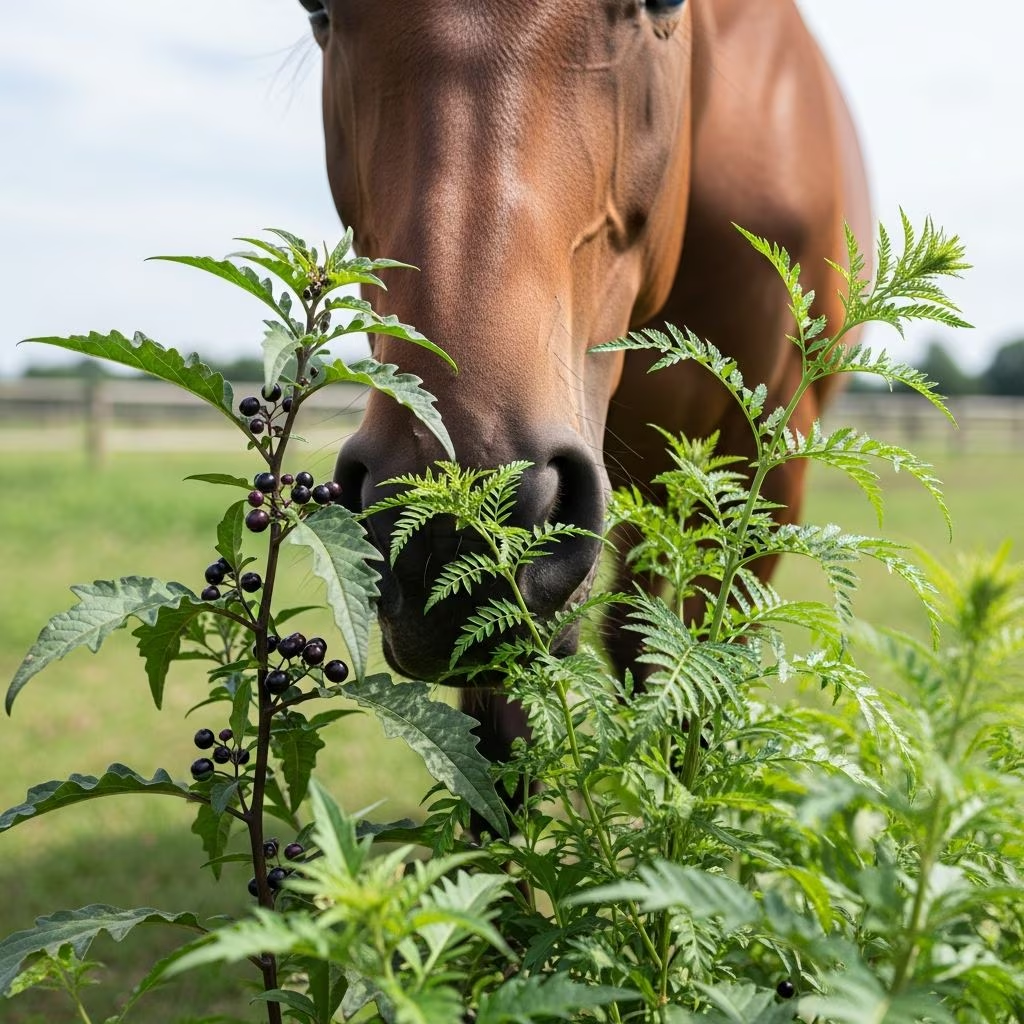
Horses grazing on contaminated pastures face significant threats from certain plants that induce severe muscle disorders known as myopathies. These conditions often result in rapid muscle breakdown, weakness, and high mortality rates, primarily due to toxins disrupting cellular energy processes.
Understanding Plant-Induced Muscle Damage in Equines
Muscle myopathies in horses arise when they consume plants containing potent toxins that target skeletal and cardiac muscles. These toxins interfere with energy metabolism, leading to necrosis—cell death in muscle tissues. Common culprits include benzofuran ketones like trematone and amino acids such as hypoglycin A, which remain dangerous even in dried hay or dead plant material. Affected animals typically show profound lethargy, recumbency, dark urine from myoglobin release, and elevated blood enzymes like creatine kinase (CK) and aspartate aminotransferase (AST).
Sparse autumn pastures heighten vulnerability, as hungry horses are more likely to ingest unpalatable toxic plants. Electrolyte imbalances, including low calcium and sodium alongside high potassium and phosphorus, further complicate the clinical picture. Early recognition is vital, though prognosis remains poor without prompt intervention.
Key Toxins from Benzofuran Ketone-Producing Plants
White snakeroot (Eupatorium rugosum) and rayless goldenrod (Isocoma wrightii) harbor trematone and related benzofuran ketones (BFKs). Ingestion of just 0.5%–2% of a horse’s body weight in these plants can prove lethal, causing widespread skeletal and heart muscle necrosis.
- Symptoms emerge quickly: profound weakness, low head carriage, rapid heart and breathing rates, and myoglobinuria (dark, cola-colored urine).
- Laboratory findings include skyrocketing CK and AST levels, often exceeding thousands of units per liter.
- These toxins persist in hay, stalks, and even milk, posing risks to nursing foals.
Historical outbreaks, such as those in the southeastern US, underscore the danger, with gross pathology revealing pale, necrotic muscle bands at necropsy. Variability in BFK toxicity may stem from interactions among multiple compounds, all inhibiting vital energy pathways.
Senna and Other Seed-Related Muscle Toxins
In regions like the southeastern United States, Senna occidentalis seeds trigger a distinct myopathy. Horses exhibit incoordination, collapse, and sudden death without visible gross muscle lesions. Microscopic exams reveal segmental necrosis, highlighting the stealthy nature of this poisoning.
Rarely, blister beetles in hay cause similar damage, with one documented case among 70 affected horses developing muscle necrosis. These incidents emphasize vigilant hay sourcing and pasture management.
Atypical Myoglobinuria: The Maple Seed Menace
Also called pasture myopathy or seasonal pasture myopathy (SPM), atypical myoglobinuria strikes horses on sparse pastures, especially post-windy autumns or cool springs in Europe, the UK, and North America. Sycamore maple (Acer pseudoplatanus) and box elder (Acer negundo) seeds are prime suspects, laden with hypoglycin A (HGA).
HGA’s metabolite, methylenecyclopropylacetic acid-CoA (MCPA-CoA), irreversibly blocks acyl-CoA dehydrogenases, halting β-oxidation of fatty acids essential for muscle energy during fasting or exercise. Type I oxidative fibers in postural, respiratory, and cardiac muscles suffer first, explaining the stiff gait, colic-like pain, labored breathing, recumbency, and 75–90% fatality rate.
| Plant Species | Toxin | Seasonal Risk | Fatality Rate |
|---|---|---|---|
| Sycamore Maple (A. pseudoplatanus) | Hypoglycin A | Autumn/Spring | 75-90% |
| Box Elder (A. negundo) | Hypoglycin A | Fall | High |
| White Snakeroot | Trematone (BFKs) | Fall | Very High |
HGA and related hypoglycin B contaminate milk, threatening foals and even human consumers via dairy products. Cases peak after wind disperses seeds, with inadvertent ingestion during grazing.
Clinical Signs and Diagnostic Approaches
Horses with plant-induced myopathies share hallmarks: muscle stiffness, tremors, weakness progressing to recumbency, rapid respiration, tachycardia, and myoglobinuric urine. Bloodwork reveals CK >100,000 U/L, AST elevations, hyperkalemia, hypocalcemia, and myoglobin in urine.
Differentials include exertional rhabdomyolysis or polysaccharide storage myopathy, but toxin history, season, and pasture inspection guide diagnosis. Necropsy confirms zebra-striped muscle pallor and myocardial necrosis. Advanced tests like LC-MS/MS detect HGA in blood, urine, or plant material.
Prevention Strategies for Horse Owners
Proactive pasture management is key. Regularly scout for toxic plants, especially in overgrazed areas:
- Remove box elder and sycamore seedlings/seeds promptly; only female trees produce toxic seeds.
- Avoid feeding hay with white snakeroot or goldenrod; toxins endure drying.
- Provide ample hay during risky seasons to deter toxic plant consumption.
- Fence off infested areas and use herbicides judiciously.
Supplemental feeding reduces risk, as well-fed horses shun unpalatable toxins. Monitor weather: windy falls heighten maple seed fallout.
Treatment Protocols and Supportive Care
No specific antidotes exist; treatment focuses on support. Hospitalize severe cases with IV fluids to combat dehydration and flush myoglobin, correct electrolytes, and administer anti-inflammatories.
- Monitor urine output to prevent renal failure from myoglobin.
- Nutritional support via glucose infusions bypasses blocked fat metabolism in HGA cases.
- Prognosis improves with early intervention, but cardiac involvement often proves fatal.
Emerging Research and Global Patterns
Studies confirm HGA’s role across continents, with outbreaks in the Czech Republic (over 50 cases in 2018) linked to maple toxins. Fecal microbiota differences in affected vs. healthy horses suggest secondary factors. Persin from avocados causes cardiac fibrosis in some species, warranting caution.
Oak tannins induce separate issues like colic and nephropathy, but not primary myopathy. Ongoing surveillance refines risk maps.
Frequently Asked Questions (FAQs)
What plants most commonly cause muscle problems in horses?
White snakeroot, rayless goldenrod, sycamore maple, and box elder are top threats due to trematone and hypoglycin A.
How quickly do symptoms appear after eating toxic plants?
Signs can emerge within hours to days, with rapid progression to recumbency.
Can these toxins affect horses through hay or milk?
Yes, toxins persist in hay and transfer via milk to foals.
Is atypical myoglobinuria fatal?
Yes, 75-90% of cases result in death, emphasizing prevention.
How can I protect my pasture from these plants?
Regular mowing, seeding competitive grasses, and seed removal post-wind events are effective.
References
- Plants Causing Myopathies in Horses — Merck Veterinary Manual. 2023. https://www.merckvetmanual.com/musculoskeletal-system/myopathies-in-horses/plants-causing-myopathies-in-horses
- Plant Poisoning in Horses — Vet Times. 2023. https://www.vettimes.com/news/vets/equine/plant-poisoning-in-horses
- Plants Toxic to Horses – Equine Research Database — Mad Barn. 2024. https://madbarn.com/research-topics/toxic-plants/
- Plants Causing Toxic Myopathies — PubMed (IFAS Extension). 2023-12-22. https://pubmed.ncbi.nlm.nih.gov/38151404/
- Common Toxic Plants for Florida Horse Owners — EDIS (University of Florida). 2023. https://edis.ifas.ufl.edu/publication/VM247
- Plants Toxic to Horses — Penn State Extension. 2023. https://extension.psu.edu/plants-toxic-to-horses/



