

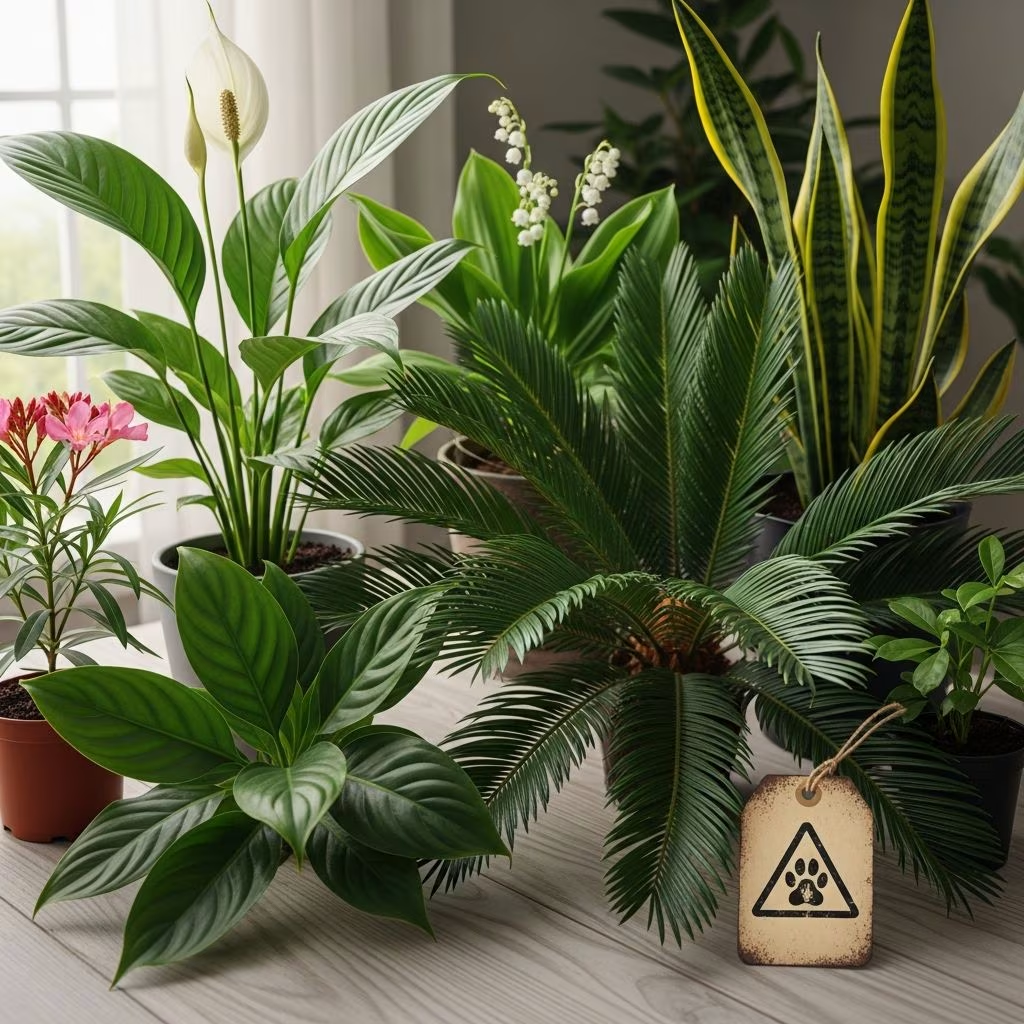
Many popular houseplants and garden favorites can turn a cat’s curiosity into a life-threatening situation. Cats often nibble on greenery out of boredom, instinct, or playfulness, but certain plants contain compounds that disrupt their delicate systems, leading to vomiting, organ failure, or worse. This guide details the most hazardous plants, their effects, and practical ways to safeguard your home.
Why Cats Are Vulnerable to Plant Toxins
Cats lack certain liver enzymes needed to metabolize plant toxins effectively, making even small amounts dangerous. Indoor environments amplify risks since cats spend more time exploring limited spaces. Toxins target the gastrointestinal tract, kidneys, heart, or nervous system, with symptoms appearing within minutes to hours. Prompt veterinary care is crucial, as some poisons cause irreversible damage quickly.
Top Indoor Plants That Threaten Cats
Indoor plants enhance aesthetics but many harbor hidden dangers. Here are key offenders commonly found in homes.
- Lilies: All true lilies (Lilium species) and daylilies (Hemerocallis) rank among the deadliest. Even licking pollen or vase water can trigger acute kidney failure. Symptoms include vomiting, lethargy, and loss of appetite within hours.
- Pothos (Devil’s Ivy): With trailing vines, pothos tempts cats to chew. Ingestion causes oral irritation, drooling, vomiting, and diarrhea due to insoluble calcium oxalates.
- Snake Plant (Mother-in-Law’s Tongue): Tough leaves attract playful bats. Saponins cause nausea, vomiting, and diarrhea; severe cases elevate heart rate.
- Peace Lily: Elegant white blooms hide raphides that irritate mouth and throat, leading to excessive salivation, retching, and swallowing difficulties.
- Monstera (Swiss Cheese Plant): Fenestrated leaves appeal to climbers. Calcium oxalate crystals provoke intense oral pain, swelling, and digestive upset.
Dangerous Outdoor and Garden Plants
Gardens and patios pose risks for roaming cats. These plants often invade yards or appear in bouquets.
| Plant | Toxins | Symptoms | Severity |
|---|---|---|---|
| Sago Palm | Cycasin | Vomiting, bloody diarrhea, liver failure, seizures; up to 50% fatal | Extreme |
| Oleander | Cardiac glycosides | GI upset, irregular heartbeat, collapse, death | Extreme |
| Rhododendron/Azalea | Grayanotoxins | Vomiting, weakness, coma, cardiovascular collapse | High |
| Daffodil | Lycorine, alkaloids | Nausea, abdominal pain, cardiac issues | Moderate-High |
| Autumn Crocus | Colchicine | Bloody vomiting, organ failure | High |
Symptoms of Plant Poisoning in Cats
Recognizing early signs can save lives. Watch for:
- Mild reactions: Drooling, pawing at mouth, vomiting, diarrhea.
- Moderate: Lethargy, loss of appetite, abdominal pain (hunched posture).
- Severe: Tremors, seizures, difficulty breathing, collapse, jaundice (liver toxins).
- Critical: No urination (kidney failure), irregular heartbeat.
Symptoms vary by plant and amount ingested. For lilies, kidney values rise rapidly, necessitating immediate intervention.
First Aid and Veterinary Response
Never induce vomiting without vet guidance, as some toxins worsen with regurgitation. Steps include:
- Remove plant remnants from mouth gently.
- Prevent further access; isolate the cat.
- Contact a vet or poison hotline (e.g., ASPCA at 888-426-4435) with plant identification.
- Provide details: plant type, amount eaten, time elapsed, symptoms.
Treatments may involve activated charcoal, IV fluids, anti-nausea meds, or organ support. Prognosis improves with speed; sago palm cases need aggressive care.
Preventing Plant-Related Risks
Proactive measures create a cat-safe haven.
- Hang plants high or use shelves cats can’t reach.
- Opt for pet-safe alternatives (see below).
- Train with deterrents like citrus sprays or aluminum foil around pots.
- Supervise outdoor time; fence gardens.
- Discard toxic bouquets immediately.
Safe Plant Alternatives for Cat Lovers
Not all greenery spells doom. Choose these:
- Bromeliads: Colorful, non-toxic tropicals.
- Money Tree (Pachira aquatica): Sturdy and safe.
- African Violets: Delicate blooms, harmless.
- Spider Plant: Air-purifying, mildly emetic if overeaten but generally safe.
- Catnip or Cat Grass: Encourages healthy nibbling.
- Herbs like basil, thyme: Safe and aromatic.
Common Myths About Cat-Safe Plants
- Myth: Aloe is safe because humans use it. Reality: Sap causes severe GI distress.
- Myth: Only flowers are toxic. Reality: Leaves, stems, bulbs, pollen all dangerous.
- Myth: Cats avoid bitter plants. Reality: Curiosity overrides taste.
Seasonal Hazards and Holiday Plants
Holidays amplify dangers. Poinsettires cause mild irritation; mistletoe leads to GI upset and cardiovascular issues. Easter lilies are ubiquitous gifts—opt for non-toxic substitutes. Spring bulbs like tulips and hyacinths (bulbs most toxic) bloom dangerously.
FAQs
Are all lilies poisonous to cats?
Yes, true lilies and daylilies are; avoid Asiatic, Easter, and Stargazer varieties entirely. Even water from vases is hazardous.
What if my cat chewed a toxic plant but seems fine?
Latent symptoms can emerge hours later. Call your vet anyway—early decontamination boosts survival.
Can small bites cause serious harm?
Absolutely, especially with lilies or sago palms where tiny amounts trigger failure.
Are there apps to identify toxic plants?
Yes, ASPCA’s toxic plant list and PictureThis apps help; cross-reference with vet resources.
How do I cat-proof my plant collection?
Use hanging baskets, wall mounts, or closed rooms. Replace toxics with safe options.
Long-Term Home Strategies
Enrich environments with scratching posts, toys, and perches to curb plant-chewing. Vertical gardens keep foliage elevated. Regular vet checkups catch subtle issues. Educate family on risks, especially with kids bringing flowers home.
Maintaining awareness transforms homes into sanctuaries. By identifying threats and embracing safe choices, cat owners ensure joyful, hazard-free companionship.
References
- Top 6 Poisonous Plants for Cats — Veterinary Emergency Group. 2023. https://www.veg.com/post/6-poisonous-plants-for-cats
- Plants That Are Toxic to Cats — Jackson Galaxy. 2024. https://www.jacksongalaxy.com/blogs/news/plants-that-are-toxic-to-cats
- Toxic Indoor Plants and Your Pets: A Guide — Peterborough Master Gardeners. 2025-10-27. https://peterboroughmastergardeners.com/2025/10/27/toxic-indoor-plants-and-your-pets-a-guide/
- Plants Poisonous to Cats – Our Guide — Cats Protection. 2024. https://www.cats.org.uk/help-and-advice/home-and-environment/dangerous-plants
- 32 Popular Indoor Plants Toxic to Cats — Gardenia.net. 2024. https://www.gardenia.net/guide/popular-indoor-plants-toxic-to-cats
- Toxic and Non-Toxic Plants — ASPCA. 2025. https://www.aspca.org/pet-care/aspca-poison-control/toxic-and-non-toxic-plants
- Strader’s Favorite Indoor Plants Safe for Cats — Straders. 2024. https://straders.net/blog/straders-favorite-indoor-plants-safe-for-cats/



