

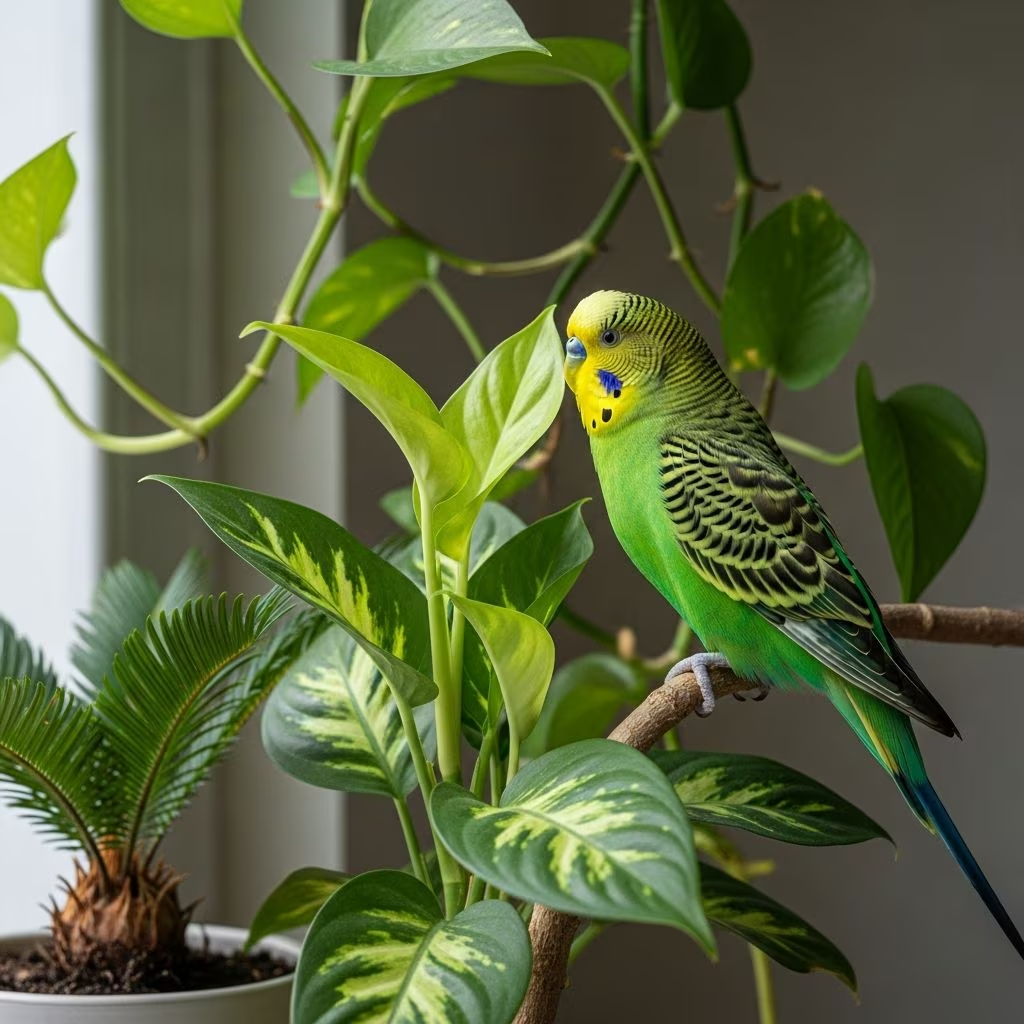
Pet birds bring joy and vibrancy to homes, but many common houseplants pose hidden dangers. These plants contain toxins that can lead to gastrointestinal distress, respiratory issues, or even fatal outcomes if birds chew on leaves, stems, or flowers. Understanding which greenery to eliminate is crucial for avian safety.
Why Birds Are Vulnerable to Plant Toxins
Birds have sensitive digestive systems and fast metabolisms, making them prone to rapid toxin absorption. Unlike mammals, even small amounts of plant material can trigger severe reactions. Curiosity drives birds like parrots and finches to nibble, turning decorative plants into hazards. Stomach upset is frequent, but some toxins affect the heart, nervous system, or liver.
Common Indoor Plants That Threaten Birds
Household favorites often top the list of risks. Here’s a breakdown of prevalent toxic varieties.
- Dieffenbachia (Dumb Cane): Features striking variegated leaves but harbors calcium oxalate crystals. Ingestion causes oral irritation, drooling, swallowing difficulties, and throat swelling. Severe cases lead to breathing problems or death.
- Philodendron: Popular for lush foliage and air purification, yet loaded with insoluble oxalates. Birds suffer mouth pain, vomiting, gastrointestinal inflammation, and potential organ failure.
- Pothos (Devil’s Ivy): Trailing vines tempt exploratory beaks. Oxalate crystals provoke drooling, vomiting, and organ damage.
- Amaryllis: Bulbs and flowers are fully toxic, causing broad harm upon contact or consumption.
Outdoor and Garden Plants to Banish
Garden greenery can drift indoors or lure birds outside. Prioritize removal of these.
| Plant Name | Scientific Name | Key Toxins | Bird Symptoms |
|---|---|---|---|
| Avocado | Persea americana | Persin | Respiratory distress, heart issues |
| Oleander | Nerium oleander | Cardiac glycosides | Abnormal heart rhythms, collapse |
| Azalea | Rhododendron spp. | Grayanotoxins | Severe toxicity, tremors |
| Sago Palm | Cycas revoluta | Cycasin | Liver failure, seizures, jaundice |
These plants demand immediate exclusion from bird-accessible areas.
Toxins from Flowering and Foliage Plants
Ornamental blooms hide potent dangers. Morning Glory’s lysergic alkaloids induce hallucinations, tremors, disorientation, and respiratory failure. Poinsettia sap irritates despite myths of mildness. Lilies like Calla Lily cause digestive havoc, while Hyacinth and Daffodil (Narcissus) provoke vomiting and weakness. Crown of Thorns exudes diterpene esters leading to diarrhea and dehydration.
Woody and Tree-Like Hazards
- Black Locust: Bark and seeds harm digestion.
- Horse Chestnut: Berries and leaves disrupt heart function.
- Yew (Japanese Yew): Needles alter heart rates.
- Oak: Acorns and leaves contain tannins causing kidney damage.
Even fallen parts can poison foraging birds.
Symptoms of Plant Poisoning in Birds
Recognize early signs for prompt intervention. Initial indicators include drooling, pawing at the mouth, and reduced appetite. Progress to vomiting, diarrhea, lethargy, tremors, seizures, or jaundice. Cardiac plants cause irregular heartbeats; neurotoxins lead to disorientation or paralysis. Seek veterinary care immediately, as delays exacerbate liver or organ failure.
Preventing Accidental Exposure
Proactive steps safeguard birds. Hang plants high or use enclosures. Opt for bird-safe alternatives like spider plants or Boston ferns. Supervise free-flight time and educate household members. Regularly inspect for fallen debris. When in doubt, exclude the plant.
Safe Plants for Bird Homes
Not all greenery endangers. Incorporate these verified safe options:
- Boston Fern (Nephrolepis exaltata)
- Spider Plant (Chlorophytum comosum)
- Bird’s Nest Fern (Asplenium nidus)
- Calendula (Pot Marigold)
- Chickweed
- Bromeliads
These tolerate nibbling without harm.
First Aid for Suspected Poisoning
Do not induce vomiting without vet guidance. Rinse the beak gently with water. Offer supportive fluids if advised. Contact an avian specialist or poison hotline promptly. Provide plant details for accurate treatment.
FAQs
Are poinsettias really toxic to birds?
Yes, the sap irritates the mouth and gut, contrary to old beliefs.
Can small birds recover from plant toxins?
Possible with quick vet care, but small size heightens risks.
What if my bird just chewed a leaf?
Monitor closely; even minor contact warrants observation.
Are all ferns safe?
Most like Boston Fern are, but avoid Bracken Fern.
How do I bird-proof my garden?
Remove toxics, plant natives, and fence off hazards.
Long-Term Avian Habitat Planning
Create enriching spaces with non-toxic flora. Combine safe plants with toys and perches for mental stimulation. Annual audits ensure evolving collections remain safe. Consult avian vets for tailored advice.
Maintaining vigilance transforms homes into sanctuaries. Informed choices prevent tragedies, allowing birds to thrive.
References
- House Plants That Are Safe for Birds (and Which to Avoid) — Squawk Boxes. 2023. https://squawkboxes.com/blogs/news/what-house-plants-are-safe-for-birds-and-which-to-avoid
- Common Bird-safe and Toxic Plants — Birdhism. 2024. https://birdhism.com/blogs/news/common-bird-safe-house-plants
- Avoiding Toxic Plants for Birds in Spring — Green Backyard. 2023. https://green-backyard.com/blogs/avoiding-toxic-plants-for-birds-in-spring/
- Plants That are Toxic to Birds — VCA Animal Hospitals. 2024-01-15. https://vcahospitals.com/know-your-pet/plants—toxic-for-birds
- Ultimate list of 1,400+ bird-safe and toxic plants — Free Range Parrots. 2020-10-16. https://freerangeparrots.org/2020/10/16/ultimate-list-of-safe-and-toxic-plants-to-birds/



