

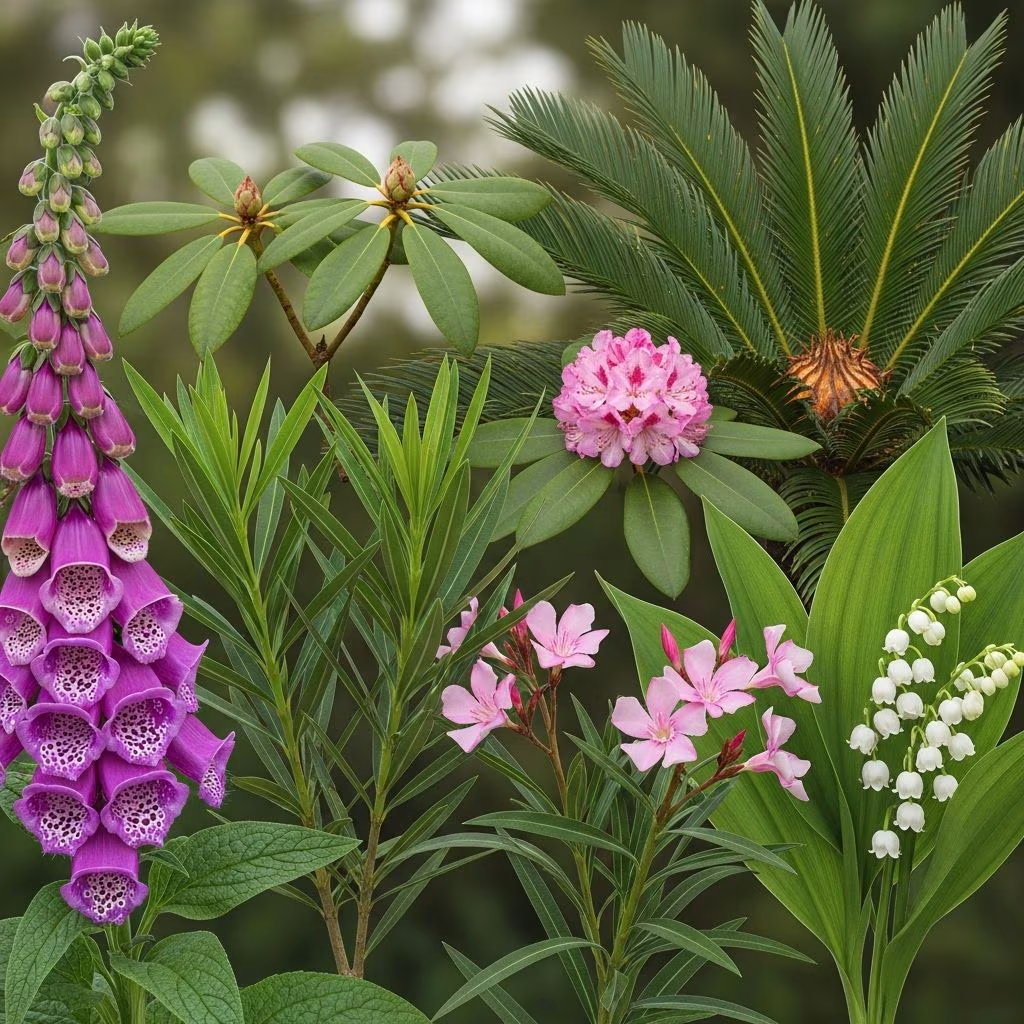
Dogs explore the world with their noses and mouths, often nibbling on plants in gardens, homes, or during walks. While many plants are harmless, numerous common varieties contain toxins that can lead to vomiting, organ failure, or worse. Understanding these risks empowers pet owners to create safer environments. This guide details prevalent dangerous plants, clinical signs of poisoning, prevention strategies, and response protocols, drawing from veterinary expertise to help keep dogs healthy.
Why Plants Pose Risks to Canines
Canine physiology differs from humans, making dogs more vulnerable to certain plant compounds. Toxins like grayanotoxins in azaleas disrupt heart function, while alkaloids in bulbs such as daffodils irritate the gastrointestinal tract. Even small amounts can trigger reactions because dogs metabolize these substances inefficiently. Factors like plant part ingested—bulbs often being most potent—age, size, and breed influence severity. Puppies and small dogs face higher risks from minimal exposure.
Household and outdoor greenery beautifies spaces but unwittingly endangers pets. Indoor plants like lilies sit at nose level, while garden favorites like tulips tempt diggers. Seasonal changes amplify threats: autumn brings acorns and conkers, spring unleashes bulbs.
Common Outdoor Plants That Harm Dogs
Gardens brim with attractive yet perilous flora. Here’s a breakdown of frequent offenders:
- Azaleas and Rhododendrons: All parts contain grayanotoxins causing drooling, vomiting, diarrhea, weakness, heart irregularities, and collapse. Even few leaves prove deadly.
- Tulips and Hyacinths: Bulbs pack highest toxin levels, leading to intense vomiting, diarrhea, depression, and tremors. Leaves and flowers milder but still risky.
- Daffodils: Bulbs induce nausea, hypersalivation, arrhythmias, and convulsions. Flowers less severe.
- Foxgloves: Cardiac glycosides provoke irregular heartbeat, vomiting, and potentially fatal arrhythmias.
- Oak and Horse Chestnut: Acorns and conkers cause gut blockages, abdominal pain, and kidney damage from tannins.
- Yew: Needles and seeds harbor taxine, triggering sudden collapse, breathing issues, and heart failure.
Berry-bearing shrubs like holly, ivy, and rowan add festive appeal but yield vomiting and diarrhea via irritant compounds.
Indoor Plants Toxic to Dogs
Houseplants offer year-round greenery but often hide dangers. Key threats include:
- Lilies of the Valley: Entire plant toxic, causing vomiting, diarrhea, abdominal discomfort, and cardiac effects.
- Dumbcane and Calla Lily: Calcium oxalate crystals inflame mouth, tongue, leading to drooling, swelling, vomiting.
- Iris: Rhizomes worst, prompting drooling, lethargy, diarrhea.
- Hydrangea: Cyanogenic glycosides upset stomach with vomiting and depression.
These thrive in low light, making them staples in dog households. Prompt identification prevents escalation.
Symptoms of Plant Poisoning in Dogs
Recognizing early signs saves lives. Symptoms vary by toxin but commonly feature:
| Symptom Category | Examples | Urgency Level |
|---|---|---|
| Gastrointestinal | Vomiting, diarrhea, drooling, appetite loss | High – Seek vet within hours |
| Neurological | Lethargy, tremors, seizures, weakness | Critical – Emergency now |
| Cardiovascular | Irregular heartbeat, collapse, low blood pressure | Life-threatening |
| Other | Abdominal pain, oral irritation, hallucinations | Moderate to high |
Onset ranges from immediate (oral irritants) to hours (cardiac toxins). Monitor for blood in vomit/stool or breathing distress.
Safe Plants for Dog-Friendly Spaces
Not all greenery threatens pets. Opt for these verified safe options to maintain beauty without worry:
Outdoor Safe Choices
- Shrubs: Black Hawthorn, Magnolia Bush, Crimson Bottlebush
- Trees: Mulberry Tree, Carob Tree, Figleaf Palm
- Flowers: Petunia, Zinnia, Gerbera Daisy
Indoor Safe Picks
- Boston Fern, Spider Plant, Parlor Palm
- Christmas Cactus, Cast Iron Plant
- Succulents like Blue Echeveria, Donkey’s Tail
These withstand chewing without harm, per veterinary databases.
Prevention Tactics for Pet Owners
Proactive measures minimize risks:
- Plant Selection: Research via ASPCA lists before purchase.
- Barriers: Elevate pots, use fences around gardens, apply bitter sprays.
- Supervision: Watch during walks, train ‘leave it’ command.
- Yard Audits: Remove or replace known toxics annually.
- Labeling: Mark hazardous areas for visitors.
Combine with dog-proofing like secure gates for total protection.
First Aid and Veterinary Intervention
If ingestion suspected:
- Remove Access: Prevent further eating.
- Identify Plant: Snap photo, note amount/time.
- Do Not Induce Vomit: Risky without vet guidance.
- Contact Experts: Call vet or ASPCA Poison Control (888-426-4435).
- Seek Care: Treatments include activated charcoal, IV fluids, anti-nausea meds.
Speed counts; some toxics like yew act fast. Keep vet details handy.
Seasonal Hazards and Special Considerations
Spring bulbs surge in toxicity cases; fall nuts block intestines. Breeds like Labs chew more, raising exposure. Multi-pet homes need extra vigilance with cats sharing plants. Holiday greenery like mistletoe spikes winter risks. Regular checks adapt to changes.
Frequently Asked Questions
Are all plant parts equally toxic?
No, bulbs/seeds often concentrate toxins, but assume whole plant risky.
What if my dog seems fine after chewing?
Delayed symptoms occur; monitor 24-48 hours and consult vet.
Can small nibbles harm large dogs?
Yes, cumulative or potent toxins affect any size.
Are there antidotes for plant poisons?
Specific ones rare; supportive care manages symptoms effectively if early.
How to dog-proof a new garden?
Choose safe plants, mulch heavily, install barriers.
References
- Plants poisonous to dogs – Blue Cross — Blue Cross UK. 2023. https://www.bluecross.org.uk/advice/dog/health-and-injuries/plants-poisonous-to-dogs
- The top 12 most poisonous plants for pets — Primrose Hill Vets. 2022. https://www.primrosehillvets.ie/news/105-the-top-12-most-poisonous-plants-for-pets
- 15 Plants Toxic to Dogs — ASPCA Pet Health Insurance. 2024. https://www.aspcapetinsurance.com/resources/plants-toxic-to-dogs/
- Dogs Trust List of Poisonous Plants — VPIS Global. 2019. https://www.vpisglobal.com/wp-content/uploads/2019/01/factsheetpoisonoussubstances091.pdf
- Toxic and Non-Toxic Plant List — Dogs — ASPCA. 2025. https://www.aspca.org/pet-care/animal-poison-control/dogs-plant-list
- Flowers and Plants Toxic to Dogs and Cats — Animal Emergency Service. 2023. https://animalemergencyservice.com.au/blog/flowers-plants-toxic-dogs-cats/



