

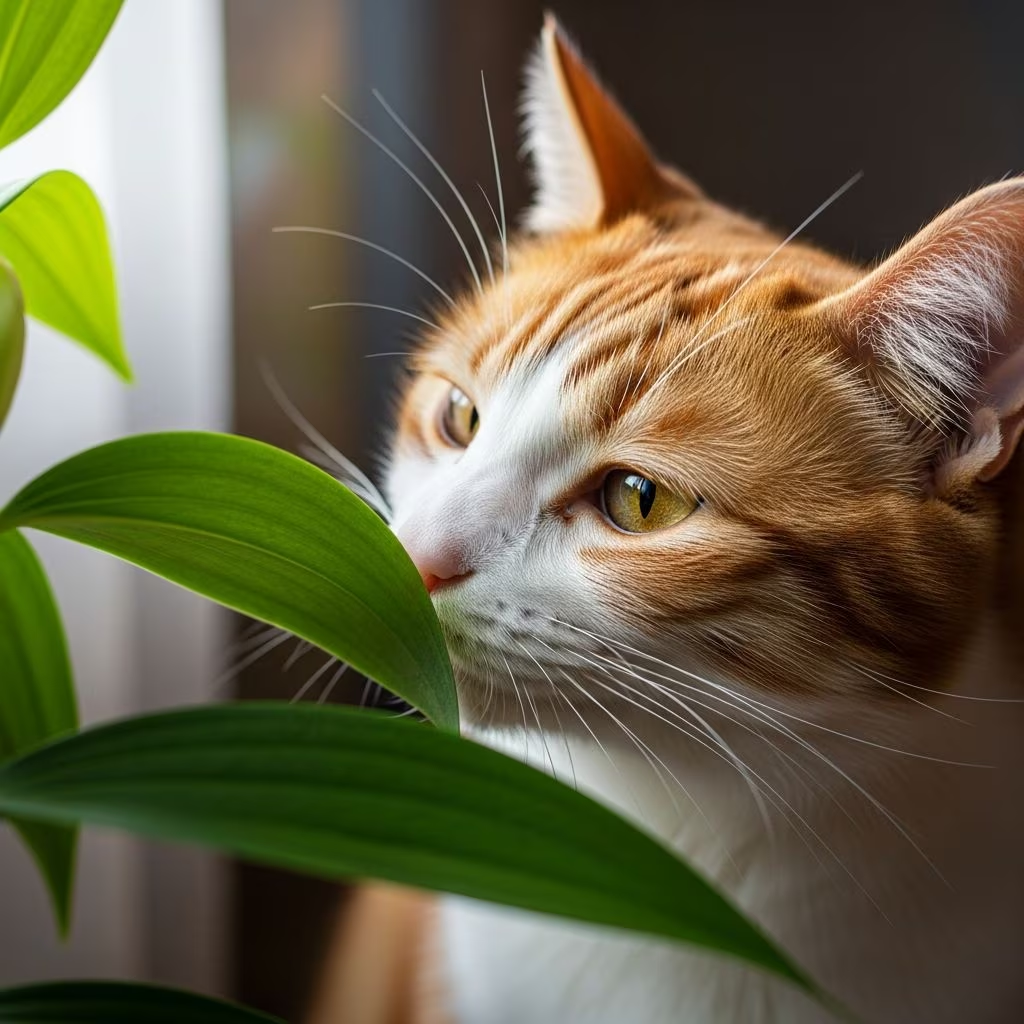
Cats often explore their surroundings by nibbling on plants, but many common houseplants contain compounds that can cause severe illness or even death. Understanding which plants are hazardous helps cat owners create safer environments and respond quickly to potential exposures.
Why Cats Are Vulnerable to Plant Toxins
Feline physiology makes cats particularly susceptible to plant toxins. Their grooming habits lead to ingestion of pollen or sap from fur, and unique liver enzymes struggle to metabolize certain chemicals found in greenery. Toxins target organs like kidneys, liver, heart, and gastrointestinal tract, leading to rapid symptom onset.
Common Toxic Plants and Their Effects
Several popular indoor and outdoor plants pose significant risks. Below is a breakdown of prevalent dangers.
| Plant Name | Toxic Parts | Primary Effects | Symptoms |
|---|---|---|---|
| Lilies (Lilium spp., Hemerocallis spp.) | All parts, including pollen | Kidney failure | Vomiting, lethargy, anorexia, increased thirst/urination |
| Pothos (Epipremnum aureum) | Leaves, stems | Oral irritation from calcium oxalates | Drooling, pawing at mouth, swelling, vomiting |
| Sago Palm (Cycas revoluta) | All parts, especially seeds | Liver failure | Vomiting, diarrhea, jaundice, seizures, coagulopathy |
| Aloe Vera | Latex in leaves | Gastrointestinal upset | Vomiting, diarrhea, tremors, lethargy |
| Tulips (Tulipa spp.) & Daffodils (Narcissus spp.) | Bulbs highest, all parts | Heart & GI issues | Drooling, vomiting, arrhythmias, hypotension |
| Autumn Crocus (Colchicum autumnale) | All parts | Renal & bone marrow toxicity | Vomiting, bloody diarrhea, kidney failure |
These plants release insoluble calcium oxalates, alkaloids, glycosides, or cycasin upon ingestion, causing mechanical damage or metabolic disruption.
Recognizing Symptoms of Plant Poisoning
Early detection is crucial as symptoms vary by toxin and exposure amount. Watch for these signs:
- Mild irritant reactions: Itchiness, red eyes, mouth swelling, excessive salivation
- Gastrointestinal distress: Vomiting, diarrhea, loss of appetite, retching
- Neurological issues: Lethargy, tremors, seizures, disorientation
- Organ-specific warnings: Increased urination/thirst (kidneys), irregular heartbeat (heart), jaundice (liver), breathing difficulties
Symptoms can appear within minutes for irritants or 12-72 hours for lilies and crocuses.
Immediate Steps If Your Cat Ingests a Toxic Plant
- Stay calm and remove plant remnants from mouth, paws, fur.
- Confine cat to a quiet space away from plants.
- Contact vet or poison hotline (e.g., ASPCA) immediately—provide plant ID, amount ingested, time elapsed.
- Do not induce vomiting unless instructed, as some toxins worsen with it.
Bring plant sample/photo to vet for accurate diagnosis.
Veterinary Treatments for Plant Toxicity
Treatment focuses on decontamination, symptom relief, and organ support:
- Decontamination: Activated charcoal, emetics (if appropriate), milk/dairy for oxalates.
- Supportive care: IV fluids for hydration/kidney flush, antiemetics, pain meds.
- Monitoring: Bloodwork for renal/liver values, cardiac monitoring for arrhythmias.
- Specifics: Digibind for certain cardiac toxins; aggressive care for lilies before kidney damage sets in.
Prognosis excels with prompt intervention; delays in lily cases reduce survival odds.
Safe Plant Alternatives for Cat Homes
Opt for these non-toxic options to satisfy curiosity without risk:
- Spider Plant (Chlorophytum comosum)
- Boston Fern (Nephrolepis exaltata)
- Parlor Palm (Chamaedorea elegans)
- Cat Grass or Catnip (safe in moderation)
- Areca Palm (Dypsis lutescens)
Hang plants high or use barriers; provide cat grass to redirect chewing.
Preventing Plant-Related Incidents
Proactive measures minimize risks:
- Research plants via ASPCA lists before purchase.
- Elevate or wall-mount greenery.
- Use pet-safe deterrents like citrus sprays.
- Supervise outdoor access; remove bulbs/seeds.
- Educate household on hazards, especially with flowers/gifts.
Regular home audits ensure evolving spaces remain feline-friendly.
Frequently Asked Questions (FAQs)
Are all lilies toxic to cats?
Yes, true lilies (Lilium) and daylilies (Hemerocallis) are extremely dangerous; even pollen grooming causes kidney failure. Peace lilies cause milder oral irritation.
What if my cat only licked a toxic plant?
Licking can suffice for lilies; monitor closely and call vet promptly as absorption occurs quickly.
Can small amounts of toxic plants harm cats?
Yes, especially lilies or sago palms; even minor exposures trigger severe responses.
How long do poisoning symptoms last?
Varies: irritants resolve in hours with care; organ damage may persist days/weeks.
Is aloe vera safe topically for cats?
No, ingesting gel during grooming causes GI upset; use pet-specific products.
Long-Term Health Monitoring Post-Exposure
After treatment, schedule follow-ups for bloodwork to check organ recovery. Cats surviving lily toxicity need ongoing kidney function tests. Maintain detailed records of incidents for future reference.
References
- Houseplants and Ornamentals Toxic to Animals — Merck Veterinary Manual. 2023. https://www.merckvetmanual.com/toxicology/poisonous-plants/houseplants-and-ornamentals-toxic-to-animals
- Plants That are Toxic to Cats — VCA Animal Hospitals. 2023. https://vcahospitals.com/know-your-pet/plants-that-are-toxic-to-cats
- Poisonous Plants for Cats — PetMD. 2023. https://www.petmd.com/cat/emergency/poisoning-toxicity/e_ct_poisonous_plants
- Toxicity of House Plants to Pet Animals — PMC – NIH. 2023-05-29. https://pmc.ncbi.nlm.nih.gov/articles/PMC10220692/
- Plants That are Toxic to Cats — VCA Animal Hospitals (Cornell-affiliated insights). 2023. https://vcahospitals.com/know-your-pet/plants-that-are-toxic-to-cats



