

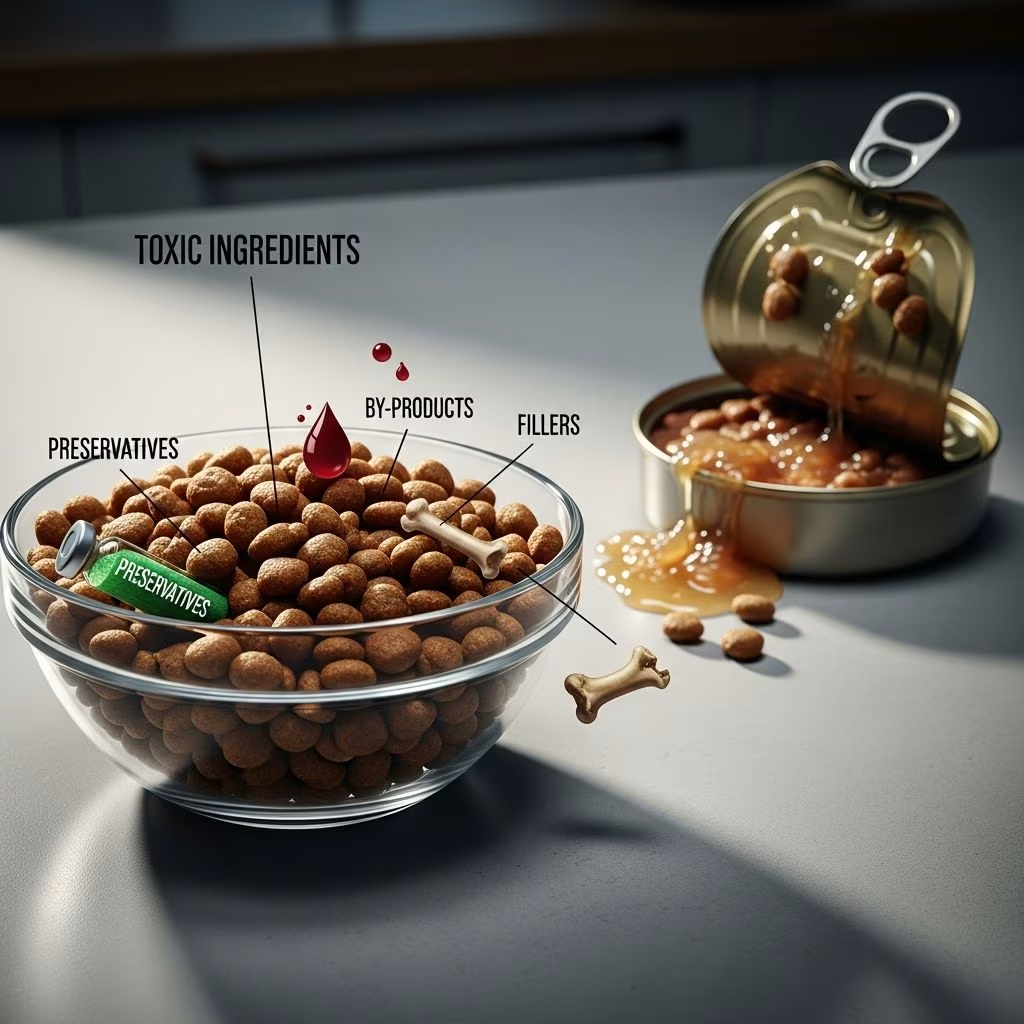
Commercial cat foods often contain hidden ingredients that pose serious health risks to felines. These additives, used to cut costs or extend shelf life, can lead to chronic conditions like kidney disease, allergies, and digestive disorders. Understanding these dangers empowers cat owners to select safer nutrition options.
Why Cat Food Quality Matters for Feline Health
Cats are obligate carnivores, requiring high-protein diets from animal sources. Many budget brands prioritize cheap fillers over quality meat, leading to nutritional imbalances. Poor ingredients contribute to obesity, diabetes, urinary tract issues, and shortened lifespans. Studies link low-quality diets to higher veterinary costs and reduced vitality in pets.
Synthetic Preservatives: Silent Threats in Kibble and Cans
Preservatives like BHA (butylated hydroxyanisole), BHT (butylated hydroxytoluene), and ethoxyquin prevent spoilage but carry carcinogenic risks. These chemicals, once used as pesticides, accumulate in the liver and kidneys, potentially causing organ failure over time. Ethoxyquin, banned in Europe for pet foods, remains FDA-approved in the US but is flagged for toxicity in high doses.
- BHA and BHT: Linked to vomiting, diarrhea, and abdominal pain; long-term exposure may promote cancer and immune disorders.
- Ethoxyquin: Causes allergic reactions and thyroid issues; avoid foods listing it vaguely as “preservatives.”
- Propyl Gallate and Nitrates: Additional chemicals that inflame the gut and stress the liver.
Opt for natural alternatives like mixed tocopherols (vitamin E) for safer preservation.
Grains and Fillers: Empty Calories for Cats
Cats lack the enzymes to digest plant-based fillers efficiently. Corn, wheat gluten, soy, and cellulose bulk up food cheaply but cause bloating, diarrhea, and nutrient malabsorption. Soy’s isoflavones disrupt hormones, while phytic acid blocks mineral uptake, leading to deficiencies.
| Problematic Filler | Health Impact | Why It’s Used |
|---|---|---|
| Corn/Wheat Gluten | Gastrointestinal upset, allergies | Cheap protein substitute |
| Soy Products | Thyroid issues, poor absorption | Inexpensive filler |
| Cellulose/Potatoes | Low nutrition, weight gain | Bulking agent |
Allergies to these grains manifest as itchy skin, ear infections, and chronic vomiting in sensitive cats.
Meat By-Products and Rendered Fats: Low-Quality Proteins
“Meat by-products” sound nutritious but often include organs, feet, and diseased tissues unfit for human consumption. Rendered fats from these sources harbor bacteria, toxins, and mold, triggering inflammation and pancreatitis. Vegetable oils exacerbate arthritis by promoting oxidative stress.
- Choose named meats like “chicken” over vague “poultry by-products.”
- Avoid rendered animal fats; seek fish oil or chicken fat for healthy omegas.
Sweeteners and Sugars: Unnecessary and Harmful
Cats cannot taste sweetness, yet corn syrup and sugars appear in foods for color or texture. These spike blood sugar, fostering diabetes and dental decay. Xylitol, though rare in cat food, is fatally toxic if present.
High glycemic ingredients contribute to feline obesity epidemics, straining kidneys and hearts.
Artificial Colors, Flavors, and Additives
Dyes and MSG enhance appeal for owners, not cats. These synthetic compounds link to hyperactivity, allergies, and diabetes risk. Carrageenan, a thickener, irritates the gut lining, potentially causing inflammatory bowel disease.
Contaminants from Past Scandals: Melamine and More
The 2007 melamine crisis in pet foods caused mass kidney failures by artificially inflating protein readings. Though regulated now, vigilance remains key. Propylene glycol in semi-moist foods risks skin rashes and organ damage.
Common Toxic Foods Mistaken for Treats
Beyond commercial foods, household items endanger cats:
- Onions/Garlic: Destroy red blood cells, causing anemia.
- Raw Fish/Eggs: Bacteria and thiamine deficiency lead to neurological damage.
- Chocolate/Caffeine: Heart arrhythmias and seizures.
- Dairy: Lactose intolerance causes diarrhea.
- Alcohol/Fatty Trimmings: Liver failure and pancreatitis.
How to Spot and Avoid Dangerous Cat Foods
Read labels meticulously: Prioritize whole meats first, shun grains and chemicals. Look for AAFCO statements ensuring complete nutrition. Wet foods often fare better than dry kibble for hydration.
- Check the first five ingredients for quality proteins.
- Avoid anything “meal,” “by-product,” or grain-heavy.
- Select limited-ingredient or raw diets if allergies persist.
Healthier Alternatives for Your Cat
Premium brands use human-grade meats, natural preservatives, and minimal carbs. Homemade diets or freeze-dried options offer control, but consult vets for balance. Transition gradually to prevent tummy woes.
Frequently Asked Questions (FAQs)
Are grains really bad for all cats?
Most cats tolerate small amounts, but they’re unnecessary and risky for digestion. Grain-free suits obligate carnivores best.
What preservatives are safe?
Vitamin C/E (ascorbic acid, tocopherols) and rosemary extract pose low risks.
Can by-products ever be okay?
Nutrient-rich organs like liver are fine if specified; avoid generic “by-products.”
Is wet food safer than dry?
Often yes, due to higher moisture and fewer preservatives, reducing urinary risks.
How do I know if my cat has food sensitivities?
Watch for itching, loose stools, or poor coat. Elimination diets confirm triggers.
Long-Term Benefits of Clean Feeding
Switching to quality foods yields shinier coats, steady energy, and fewer vet visits. Cats on optimal diets live longer, happier lives free from diet-induced ills.
References
- What Ingredients Are Bad for Dogs and Cats? [2025 Guide] — Kohapet. 2025. https://kohapet.com/blogs/news/5-surprising-ingredients-that-cause-cat-and-dog-stomach-upset
- Top 10 Unsafe Foods for Cats — ASPCA Pet Health Insurance. 2023-10-01. https://www.aspcapetinsurance.com/resources/top-10-unsafe-foods-for-cats/
- Myth busting: What Cat Food Ingredients are Really Unhealthy? — Osa Telegraph. 2024. https://www.osatelegraph.org/science–tech/myth-busting-what-cat-food-ingredients-are-really-unhealthy
- The good, the bad, and the ugly of cat food ingredients — Untamed. 2024. https://untamed.com/blogs/nutrition/cat-food-ingredients



