
Toxic Indoor Plants: Pet-Safe Alternatives And Emergency Tips
Discover common houseplants that pose serious health risks to cats and dogs, and learn how to safeguard your pets from hidden dangers in your home.
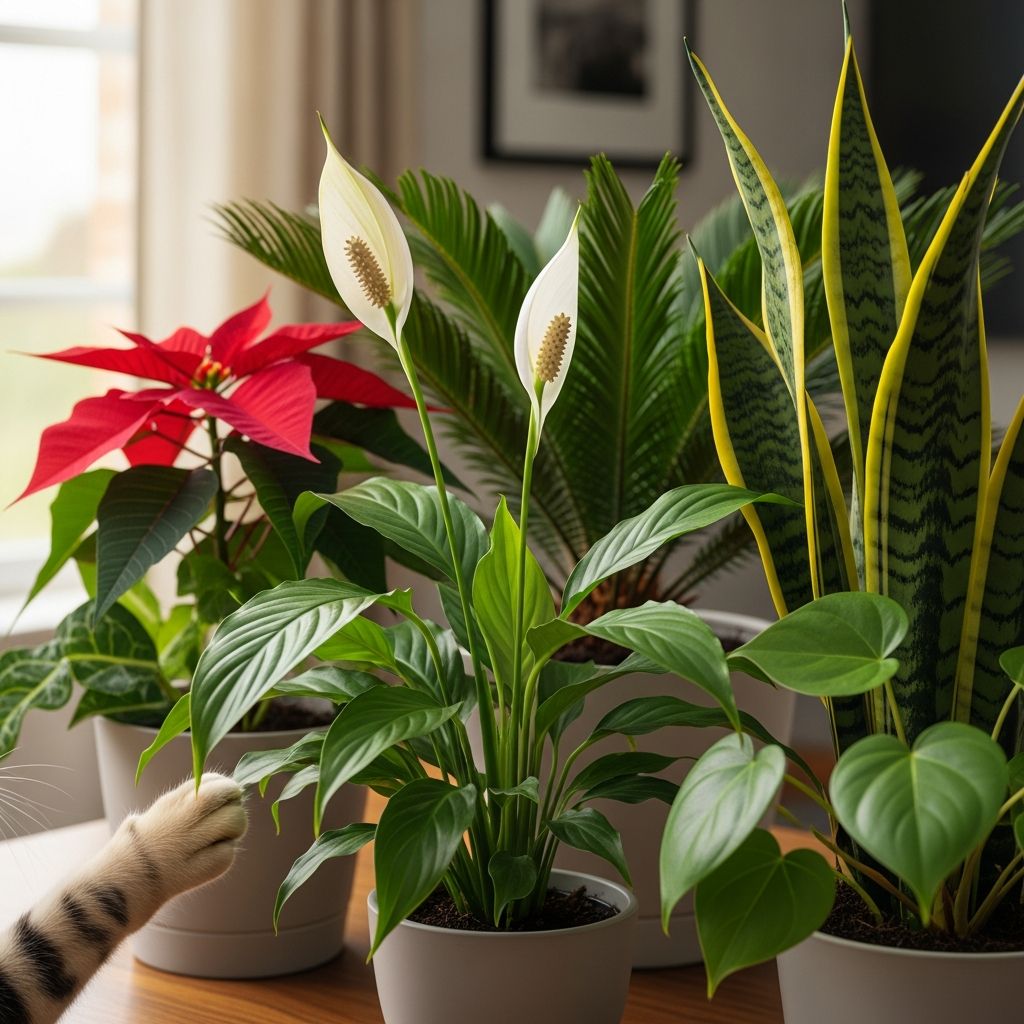
Many popular houseplants cherished for their beauty and air-purifying qualities harbor hidden dangers for pets. Cats and dogs, driven by curiosity, often nibble on leaves, stems, or flowers, leading to symptoms ranging from mild irritation to life-threatening organ failure. Understanding these risks empowers pet owners to create safer homes without sacrificing greenery.
Why Pets Are Attracted to Houseplants
Pets explore their environment through taste and touch. Indoor plants provide tempting textures, scents, and dangling vines. Factors like boredom, nutritional deficiencies, or stress can increase chewing behavior. Young animals and cats are particularly prone due to their playful nature. Even small ingestions can trigger reactions because toxins concentrate in specific plant parts like bulbs, seeds, or sap.
Categories of Plant Toxins Affecting Animals
Houseplants contain various harmful compounds. These include insoluble calcium oxalate crystals that cause intense oral pain, soluble oxalates leading to kidney damage, cardiac glycosides disrupting heart rhythm, and grayanotoxins affecting the nervous system. Severity depends on the plant, amount consumed, pet size, and species—cats often suffer more acutely than dogs from certain toxins.
Plants with Calcium Oxalate Crystals
These needle-like crystals penetrate mouth tissues, causing immediate swelling and pain. Common offenders include:
- Philodendron: All parts irritate the mouth, leading to drooling, pawing at face, and swallowing difficulties.
- Pothos (Devil’s Ivy): Vines tempt climbers; ingestion results in vomiting and oral burns.
- Dieffenbachia (Dumb Cane): Swelling can obstruct airways, causing breathing issues.
- Peace Lily: Milder effects like digestive upset and irritation.
- Chinese Evergreen: Similar oral and GI symptoms.
Symptoms appear within minutes: excessive salivation, vomiting, and reluctance to eat. Veterinary care involves rinsing the mouth and pain management.
Highly Lethal Cycads and Palms
Sago Palm tops the list for deadliness. Seeds are most toxic, causing liver failure in dogs and cats. Even small amounts lead to vomiting, bloody diarrhea, seizures, and death if untreated. Prompt decontamination and supportive therapy are critical; survival rates drop without aggressive intervention.
Gel and Latex Hazards: Aloe and Similar Succulents
Aloe vera’s inner gel benefits humans but its yellow latex causes vomiting, lethargy, and tremors in pets. Jade Plant induces depression and irregular heartbeat. ZZ Plant provokes stomach upset. These succulents thrive in low light, making them indoor favorites despite risks.
Cardiac Glycoside-Containing Ornamentals
These mimic heart medications, slowing the pulse dangerously. Examples:
- Desert Rose: Blisters mouth and disrupts cardiac function.
- Lily of the Valley: Causes arrhythmias and collapse.
Dogs show weakness and lethargy; monitoring ECG is essential in treatment.
Grayanotoxin Plants: Ornamental Shrubs Indoors
Rhododendrons, azaleas, and mountain laurel contain neurotoxins causing ataxia, tremors, and coma. Though more outdoor plants, container-grown versions pose indoor threats.
Other Common Culprits
| Plant | Toxic Parts | Symptoms in Pets | Affects |
|---|---|---|---|
| Snake Plant | All parts | Nausea, diarrhea | Dogs, Cats |
| Lilies (esp. True Lilies) | Pollen, petals | Kidney failure | Cats primarily |
| Dracaena (Corn Plant) | Leaves | Vomiting, depression | Dogs, Cats |
| English Ivy | Leaves, berries | Abdominal pain | Dogs |
| Caladium (Elephant Ear) | All parts | Mouth burning, drooling | Dogs, Cats |
Recognizing Poisoning Symptoms
Watch for:
- Gastrointestinal: Vomiting, diarrhea (bloody in severe cases).
- Oral/Neurological: Drooling, head shaking, seizures.
- Systemic: Lethargy, jaundice, collapse.
Act fast—delays worsen outcomes, especially with liver or kidney toxins.
Emergency Response Protocol
- Remove plant remnants from mouth.
- Prevent further access; isolate pet.
- Call vet or poison hotline (e.g., ASPCA at 888-426-4435) with plant ID.
- Do not induce vomiting unless instructed.
- Provide plant sample if possible.
Treatment may include activated charcoal, IV fluids, and organ support.
Safe Alternatives for Pet-Friendly Homes
Opt for these non-toxic options:
- Spider Plant: Tolerates neglect, mildly upsetting if eaten but safe.
- Boston Fern: Lush and hanging.
- Parlor Palm: Elegant without harm.
- Areca Palm: Brightens spaces safely.
- Calathea: Colorful, pet-resistant.
Prevention Strategies
Hang plants high, use barriers, or choose pet-safe varieties. Train with deterrents like citrus sprays. Supervise curious pets and educate household members. Regular vet check-ups catch early nutritional issues prompting plant chewing.
FAQs
Are all lilies toxic to cats?
True lilies (Lilium spp.) and daylilies are extremely dangerous, causing acute kidney failure even from pollen grooming.
What if my dog ate a sago palm seed?
Seek immediate emergency care—liver protectants like SAMe improve survival odds.
Can small amounts of toxic plants harm pets?
Yes, especially concentrated parts like bulbs or seeds; size and species matter.
Is aloe gel safe for pets?
No, only processed human-grade gel; plant latex is harmful.
How do I identify toxic plants?
Use ASPCA lists or apps; note symptoms match crystal irritation or organ failure.
Long-Term Home Safety Tips
Audit your space annually. Introduce plants gradually, observing pet reactions. Combine with enrichment toys to reduce boredom-induced nibbling. Consult vets for breed-specific sensitivities—small dogs face higher risks from same doses.
References
- Toxic Plants for Cats and Dogs: 10 Common Houseplants to Avoid — World Care Pet. 2025-08-13. https://worldcarepet.com/2025/08/13/toxic-plants-for-cats-and-dogs/
- 9 Common Houseplants Poisonous to Your Pet — Standiford Veterinary. N/A. https://standifordveterinary.com/services/cats/blog/9-common-houseplants-poisonous-your-pet.html
- Ask the Vet: 13 Toxic Houseplants to Dogs — Dogs Inc. N/A. https://dogsinc.org/blog/ask-the-vet/13-toxic-houseplants-dogs/
- Which Houseplants Are Unsafe for Dogs? — Guide Dogs. N/A. https://www.guidedogs.com/blog/houseplants
- Houseplants and Ornamentals Toxic to Animals — Merck Veterinary Manual. N/A. https://www.merckvetmanual.com/toxicology/poisonous-plants/houseplants-and-ornamentals-toxic-to-animals
- Protecting Your Pets: Top 10 Common Houseplants Poisonous To Dogs And Cats — My Seneca Animal Hospital. N/A. https://mysenecaanimalhospital.com/blog/protecting-your-pets-top-10-common-houseplants-poisonous-to-dogs-and-cats/
- Toxic and Non-Toxic Plants — ASPCA. N/A. https://www.aspca.org/pet-care/aspca-poison-control/toxic-and-non-toxic-plants
Similar Articles








Read full bio of medha deb


