

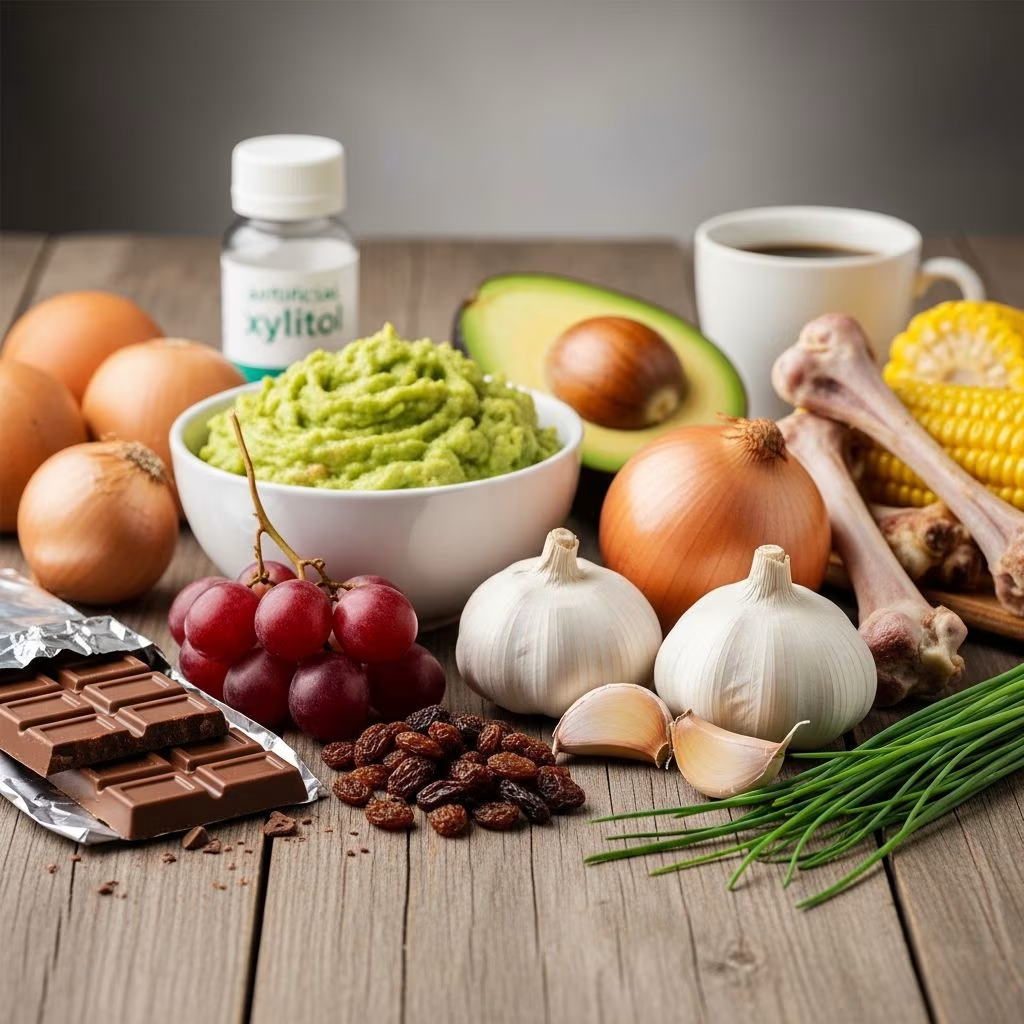
Dogs often beg for scraps from the table, but many common human foods can cause serious harm or even be fatal. Understanding these risks helps pet owners prevent accidental poisoning and ensure their dog’s well-being. This guide covers the most dangerous foods, their effects, symptoms to watch for, and emergency steps.
Why Human Foods Pose Risks to Dogs
Dogs have different digestive systems and metabolisms compared to humans. Substances safe for us, like certain sugars, fats, or compounds in fruits and vegetables, can overwhelm their organs. For instance, dogs lack enzymes to break down lactose or process stimulants like caffeine effectively. Even small amounts can lead to vomiting, organ failure, or death.
Prevention starts with vigilance: store food securely, train dogs not to beg, and educate family members. Always consult a vet for breed-specific sensitivities, as smaller dogs face higher risks from the same quantities.
Top Dangerous Foods and Their Effects
Here are the primary culprits, backed by veterinary insights. Each can trigger unique health crises, from kidney failure to seizures.
Chocolate and Caffeine Sources
Chocolate contains theobromine and caffeine, which dogs metabolize slowly, leading to toxicity. Dark chocolate and cocoa are most potent. Symptoms include restlessness, rapid breathing, vomiting, diarrhea, heart issues, tremors, seizures, and potentially death.
- Baker’s chocolate: highest theobromine levels.
- Milk chocolate: moderate risk.
- White chocolate: lower, but high fat content still harmful.
Coffee, tea, and energy drinks carry similar risks due to caffeine.
Grapes, Raisins, and Related Fruits
Grapes and raisins can cause acute kidney failure, even in tiny amounts. The exact toxin, possibly tartaric acid, remains under study, but effects are rapid and severe. Symptoms: vomiting within hours, lethargy, abdominal pain, decreased urination, and kidney shutdown.
- Avoid all varieties: fresh grapes, raisins, grape juice, or baked goods containing them.
- No safe quantity identified; even one grape poses danger for small dogs.
Onions, Garlic, Chives, and Allium Family
These vegetables contain N-propyl disulfide, damaging red blood cells and causing hemolytic anemia. Effects may delay 1-5 days. Watch for weakness, pale gums, rapid breathing, dark urine, and collapse.
- All forms toxic: raw, cooked, powdered, or in stocks/baby food.
- Garlic is especially potent; small amounts in dishes like pizza suffice.
Xylitol: The Hidden Sweetener Killer
Found in sugar-free gum, candies, peanut butter, and baked goods, xylitol spikes insulin, crashing blood sugar. This leads to hypoglycemia, seizures, liver failure, and death within hours.
- Check labels on ‘sugar-free’ products.
- Symptoms: vomiting, incoordination, seizures, coma.
Macadamia Nuts and Other Nuts
Macadamia nuts cause weakness, tremors, vomiting, hyperthermia, and coordination loss within 12 hours, resolving in 24-72 hours usually. High fat risks pancreatitis. Almonds can obstruct airways or cause salt retention issues.
- Avoid all nuts; salted varieties worsen dehydration.
Avocados and Persin Toxicity
Persin in avocado fruit, pits, leaves, and skin causes fluid buildup in lungs/chest, vomiting, diarrhea, and breathing difficulties. Pits risk blockages; high fat promotes pancreatitis.
Fruits with Pits or Seeds
Apples, peaches, plums, cherries, apricots contain cyanide in pits/seeds, plus choking hazards. Symptoms: dilated pupils, difficulty breathing, shock.
Core and spit out seeds, but better to avoid entirely.
Fatty Foods, Dairy, and Salt
Dairy causes lactose intolerance: diarrhea, gas, vomiting due to low lactase. Fatty foods like bacon trigger pancreatitis. Excess salt leads to thirst, tremors, seizures.
Ice cream combines sugar, fat, lactose, and potential xylitol/chocolate.
Symptoms of Food Poisoning in Dogs
Act fast—early intervention saves lives. Common signs:
| Symptom | Possible Cause | Urgency |
|---|---|---|
| Vomiting/Diarrhea | Most toxins | High |
| Lethargy/Weakness | Xylitol, nuts, grapes | Immediate |
| Tremors/Seizures | Chocolate, xylitol | Emergency |
| Pale Gums/Dark Urine | Onions/garlic | High |
| Increased Thirst | Salt, grapes | Monitor |
Emergency Response Protocol
- Identify and remove the food source.
- Do not induce vomiting unless vet instructs—risks aspiration.
- Call vet, ASPCA Poison Control (888-426-4435), or Pet Poison Helpline (855-764-7661) immediately.
- Note amount ingested, time, breed, weight.
- Monitor vitals; rush to clinic if symptoms worsen.
Treatments may include activated charcoal, IV fluids, blood transfusions, or medications.
Safe Alternatives and Prevention Tips
Stick to dog-approved treats: carrots, apples (no seeds), plain cooked veggies. Commercial foods ensure balance.
- Counter-surfing: use baby gates, secure trash.
- Label ‘toxic’ pantry items.
- Train ‘leave it’ command.
- Share pet-safe recipes like frozen banana bites.
Common Myths Debunked
- Myth: Small amounts are safe. Fact: Even traces of xylitol or grapes can kill small dogs.
- Myth: Cooked onions lose toxicity. Fact: All forms remain dangerous.
- Myth: Milk is fine occasionally. Fact: Most dogs are intolerant.
FAQs
What if my dog ate chocolate last night?
Contact vet ASAP; toxicity depends on type/amount/weight. Induce vomiting only under guidance.
Are all nuts bad?
Yes, due to choking, fats, or specific toxins like in macadamias.
Can dogs have fruit?
Some yes (blueberries), but pit fruits no.
How much onion is too much?
0.5% body weight; e.g., 0.4 oz/lb dog.
Is xylitol in all peanut butter?
Only some; check labels.
Long-Term Health Strategies
Beyond avoidance, annual vet checkups catch sensitivities. Balanced diet prevents nutritional gaps mimicking toxicity. Educate kids on no-sharing rules. Apps track symptoms for quick reporting.
By knowing these risks, you empower proactive care, fostering a longer, healthier life for your dog.
References
- People Foods to Avoid Feeding Your Pets — ASPCA. 2023. https://www.aspca.org/pet-care/aspca-poison-control/people-foods-avoid-feeding-your-pets
- 7 Human Foods That Can Be Fatal to Dogs — Healthline. 2023-10-12. https://www.healthline.com/nutrition/7-foods-fatal-to-dogs
- Human Foods Cats and Dogs Can Eat and Foods to Avoid — MedVet. 2024. https://www.medvet.com/human-foods-cats-dogs-to-eat-and-avoid/
- What food and drinks are poisonous to dogs? — Vets Now. 2023. https://www.vets-now.com/pet-care-advice/foods-poisonous-to-dogs/
- 30 Foods Poisonous to Dogs — GoodRx. 2024-01-15. https://www.goodrx.com/pet-health/dog/what-foods-are-poisonous-to-dogs
- People Foods Dogs Can and Can’t Eat — AKC.org. 2024. https://www.akc.org/expert-advice/nutrition/human-foods-dogs-can-and-cant-eat/



