
Toxic Human Foods Cats Must Avoid
Protect your feline friend from hidden dangers in everyday human snacks and meals that can cause serious illness or worse.
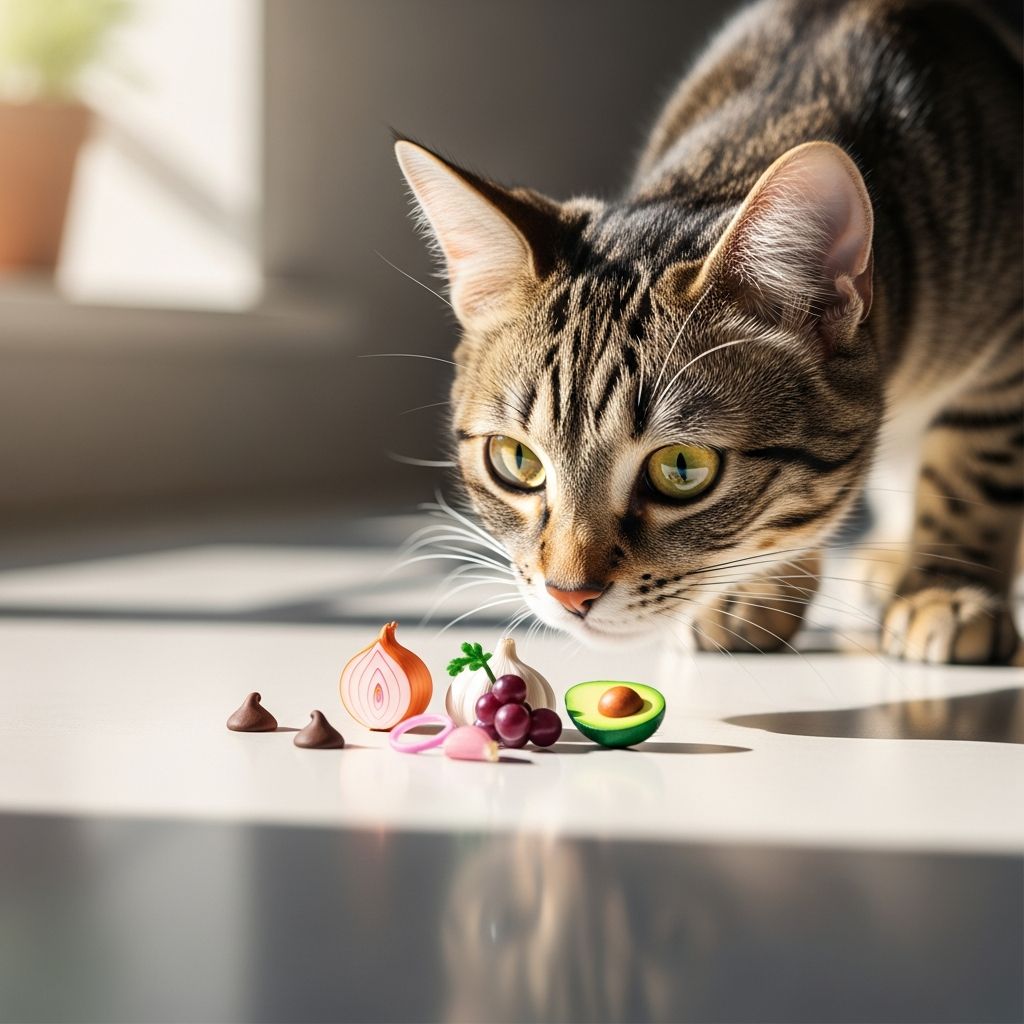
Cats are obligate carnivores with unique digestive systems that differ significantly from humans, making many common household foods potentially lethal. Sharing table scraps might seem harmless, but certain ingredients can trigger severe reactions ranging from gastrointestinal distress to organ failure. This guide explores the primary culprits, their effects, and practical steps to safeguard your pet.
Why Human Foods Pose Risks to Cats
Feline metabolism processes nutrients differently; substances safe for people can overwhelm their livers, kidneys, or blood cells. Even small amounts ingested accidentally—through counter surfing or dropped morsels—can accumulate harm over time. Veterinary experts emphasize vigilance, as symptoms may not appear immediately, delaying critical intervention.
Top Dangerous Foods and Their Effects
Below is a detailed breakdown of foods to eliminate from your cat’s reach, supported by veterinary insights.
Allium Vegetables: Onions, Garlic, Chives, and Leeks
Members of the Allium family contain N-propyl disulfide, a compound that damages red blood cells, leading to hemolytic anemia. This condition reduces oxygen-carrying capacity, causing weakness, pale gums, rapid breathing, and dark urine. Raw, cooked, powdered, or dehydrated forms—all are hazardous, even in trace amounts like those in broths or baby food.
- Symptoms: Vomiting, lethargy, abdominal pain, collapse.
- Toxicity level: High; garlic is reportedly five times more potent than onions.
- Prevention: Store in sealed containers; avoid flavored stocks.
Chocolate and Caffeine Sources
Theobromine and methylxanthines in chocolate stimulate the central nervous system, causing hyperactivity followed by seizures, irregular heartbeat, and potential cardiac arrest. Dark varieties pack the highest concentration. Coffee, tea, and energy drinks exacerbate these effects with added caffeine.
- Symptoms: Vomiting, diarrhea, tremors, elevated temperature.
- Toxicity level: Dose-dependent; baker’s chocolate is most dangerous.
- Prevention: Keep candies, baked goods, and beverages inaccessible.
Xylitol in Sugar-Free Products
This artificial sweetener, common in gums and candies, triggers a massive insulin release in cats, plummeting blood sugar levels. Hypoglycemia leads to weakness, seizures, and liver failure. Even tiny doses prove fatal without prompt treatment.
- Symptoms: Staggering, disorientation, coma.
- Toxicity level: Extremely high; immediate vet care essential.
Grapes, Raisins, and Related Items
Though less documented in cats than dogs, these can induce acute kidney injury via tartaric acid. Symptoms mirror renal distress: vomiting, lethargy, reduced urination.
- Symptoms: Diarrhea, appetite loss, thirst increase.
- Prevention: Secure fruit bowls and trail mixes.
Raw Proteins: Eggs, Meat, Fish, and Bones
Bacteria like Salmonella and E. coli thrive in undercooked items, causing foodborne illness transmissible to humans too. Avidin in raw eggs biotin-deficiency impacts coat health; splintered bones risk choking or perforations.
- Symptoms: Diarrhea, fever, dehydration.
- Toxicity level: Moderate to high depending on bacterial load.
Dairy Products and Lactose
Most adult cats lack lactase enzyme, leading to diarrhea, gas, and cramps from milk, cheese, or cream. Offer sparingly if tolerated, but cat-specific lactose-free alternatives exist.
High-Fat and Salty Foods
Trimmings, bacon, deli meats, chips, or brined fish provoke pancreatitis, salt toxicity, or obesity. Excess sodium causes thirst, tremors, seizures.
| Food Type | Risks | Examples |
|---|---|---|
| High-Fat | Pancreatitis, vomiting | Bacon, fat scraps |
| Salty | Hypertension, seizures | Chips, canned tuna in brine |
| Raw Bones | Choking, fractures | Cooked poultry bones |
Other Hazards: Alcohol, Citrus, Mushrooms
Alcohol depresses the nervous system, risking coma. Citrus oils irritate stomachs; certain wild mushrooms induce organ shock.
Recognizing and Responding to Poisoning
Watch for universal signs: drooling, tremors, uncoordinated movement, breathing issues. Act fast—induce vomiting only under vet guidance. Contact ASPCA Animal Poison Control (888-426-4435) or Pet Poison Helpline (855-764-7661). Provide details: food type, amount, time ingested, symptoms.
Safe Alternatives and Feeding Best Practices
Opt for commercial cat food meeting AAFCO standards. Treats should comprise <10% calories. Vet-approved options include plain cooked meats or fish in moderation. Train with clickers to ignore begging; elevate food prep areas.
- Commercial wet food for hydration.
- Frozen treats mimicking dairy.
- Herb gardens excluding toxic plants.
Creating a Cat-Safe Home Environment
Counter surf prevention: baby gates, weighted bins. Educate family on risks; label danger zones. Regular vet checkups catch sensitivities early.
FAQs
What should I do if my cat eats something toxic?
Call poison control immediately; do not wait for symptoms. Note all details for the vet.
Are all chocolates equally dangerous?
No, darker types contain more theobromine, amplifying risks.
Can cats have small amounts of cheese?
Many are intolerant; monitor closely or avoid.
Is tuna safe for cats?
Occasional plain water-packed yes; oil or flavored risks thiamine deficiency, mercury buildup.
How to prevent begging?
Use puzzle feeders, scheduled meals, ignore pleas.
References
- What Can Cats Not Eat? 13 Types of Toxic Foods to Avoid — Chewy. 2023. https://www.chewy.com/education/cat/food-and-nutrition/what-can-cats-not-eat
- Human Foods Cats and Dogs Can Eat and Foods to Avoid — MedVet. 2023. https://www.medvet.com/human-foods-cats-dogs-to-eat-and-avoid/
- Foods that are Dangerous or Toxic to Cats — Hill’s Pet Nutrition. 2023. https://www.hillspet.com/cat-care/nutrition-feeding/toxic-foods-for-cats
- Foods Toxic to Cats: What to Avoid for Your Cat’s Safety — Aston Vet. 2023. https://astonvet.com/blog/foods-toxic-to-cats/
- 8 common human foods that are poisonous to cats — Vets Now. 2023-12. https://www.vets-now.com/2023/12/foods-poisonous-to-cats/
- What Can’t Cats Eat? 8 Toxic Foods for Cats — PetMD. 2023. https://www.petmd.com/cat/nutrition/toxic-foods-for-cats
Similar Articles








Read full bio of Sneha Tete




